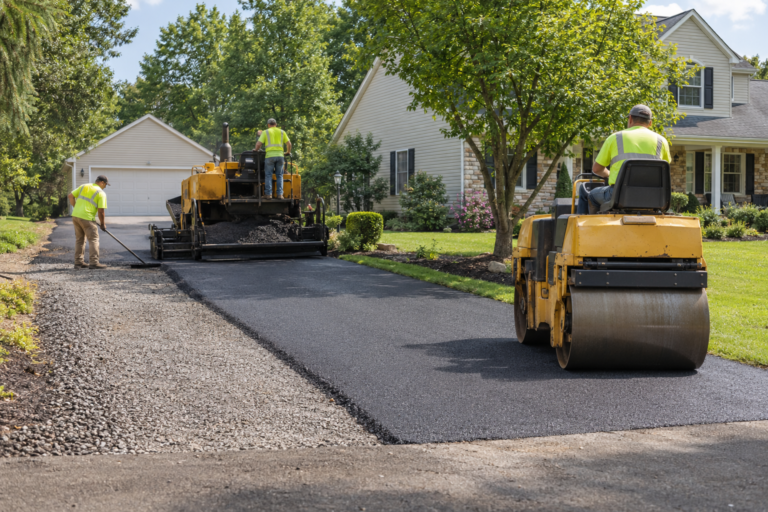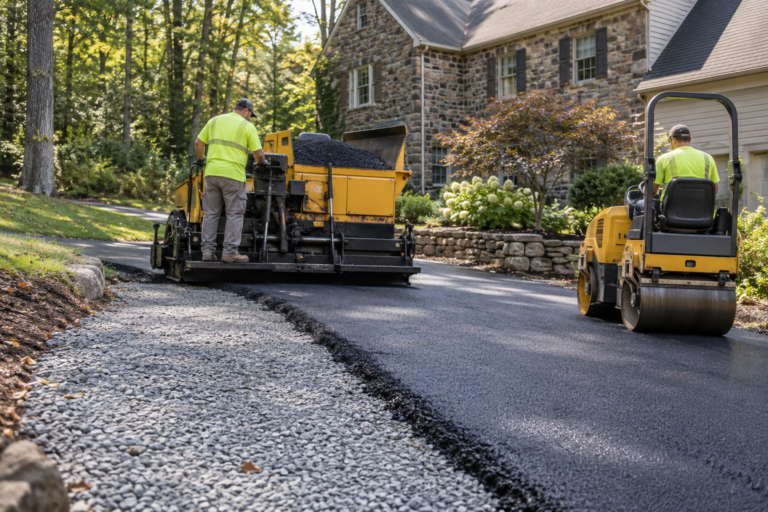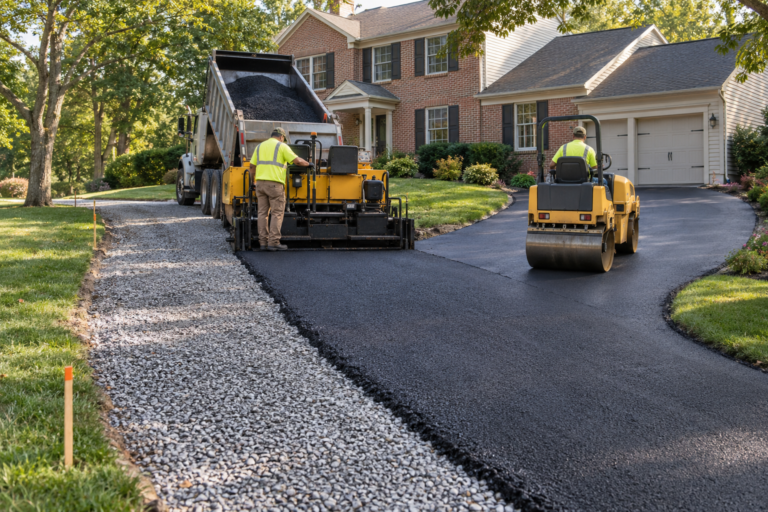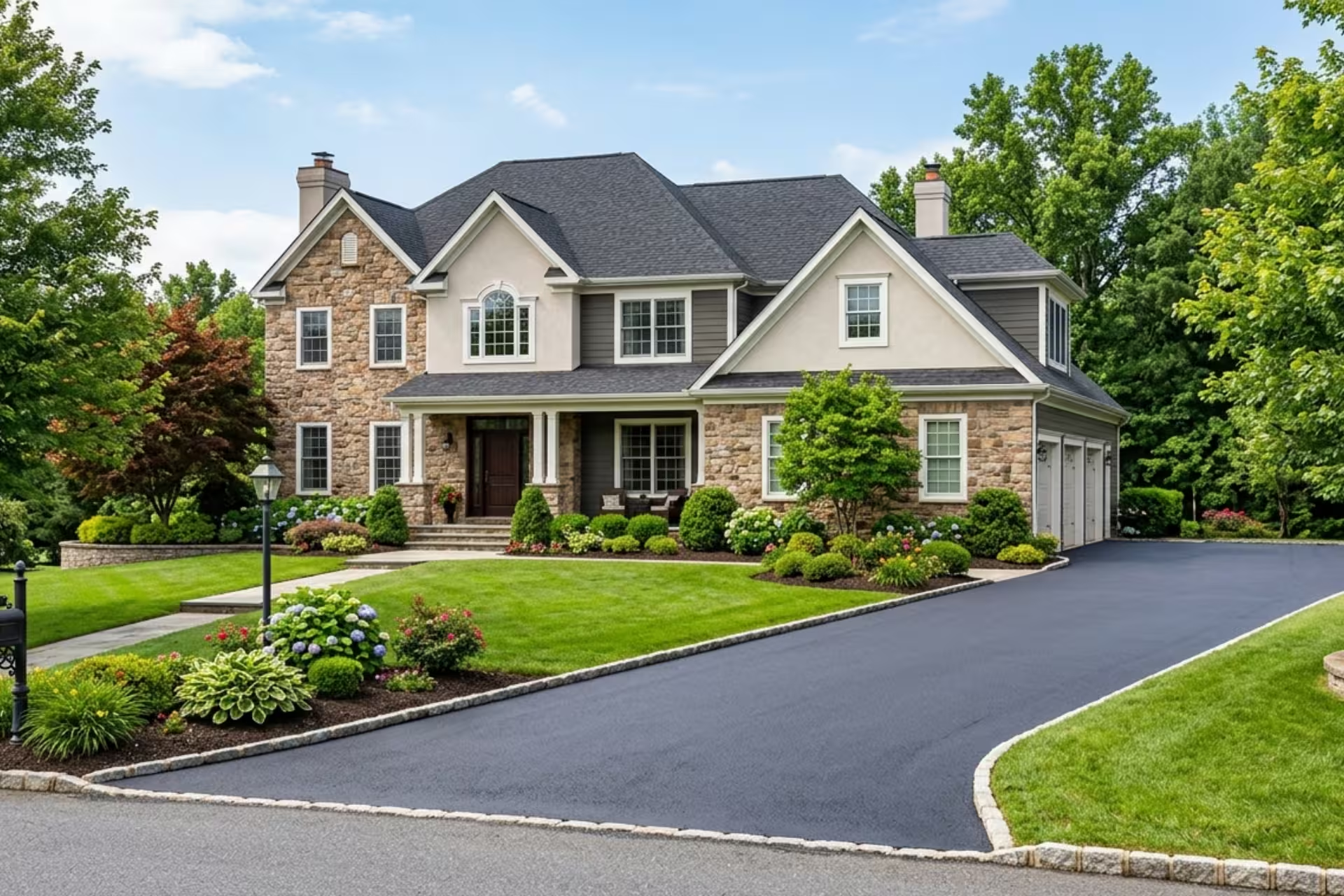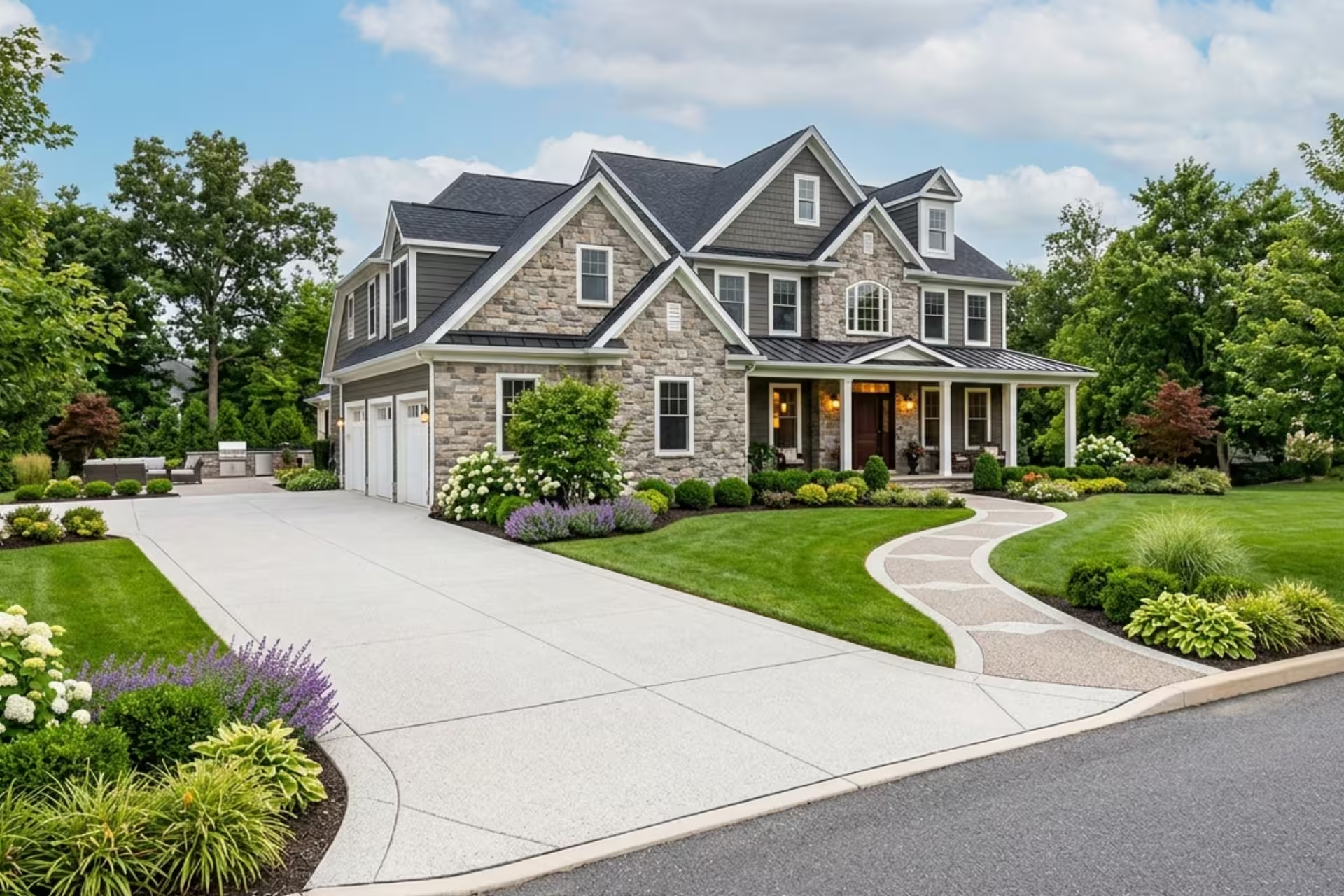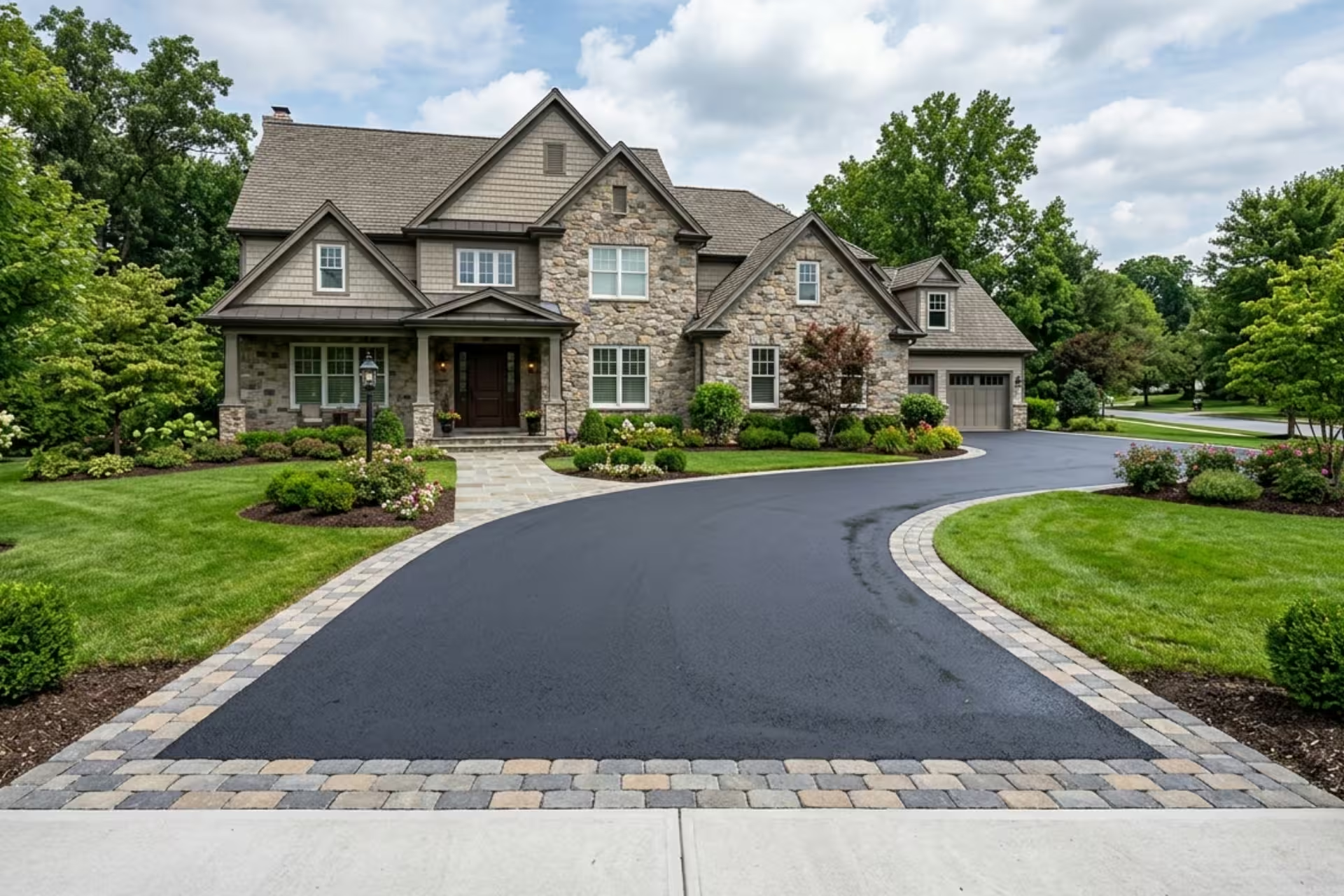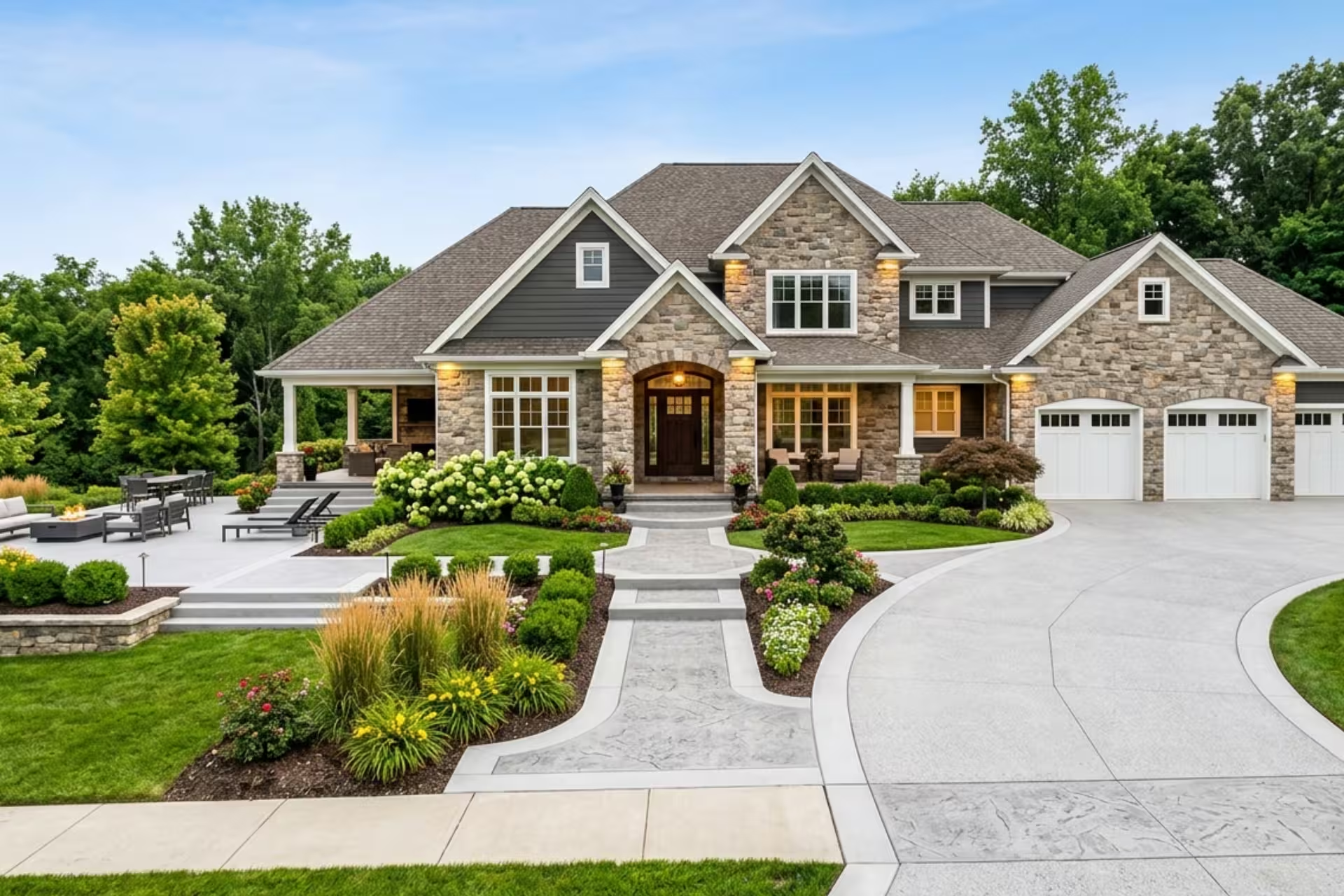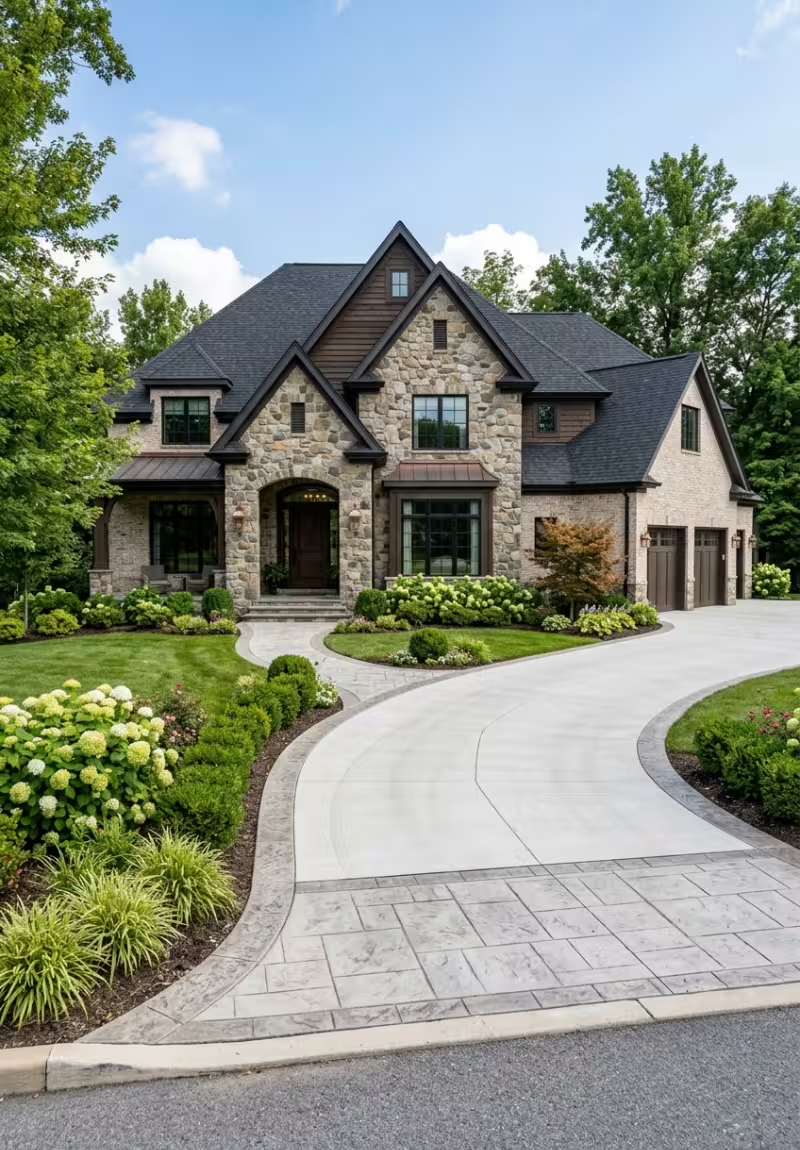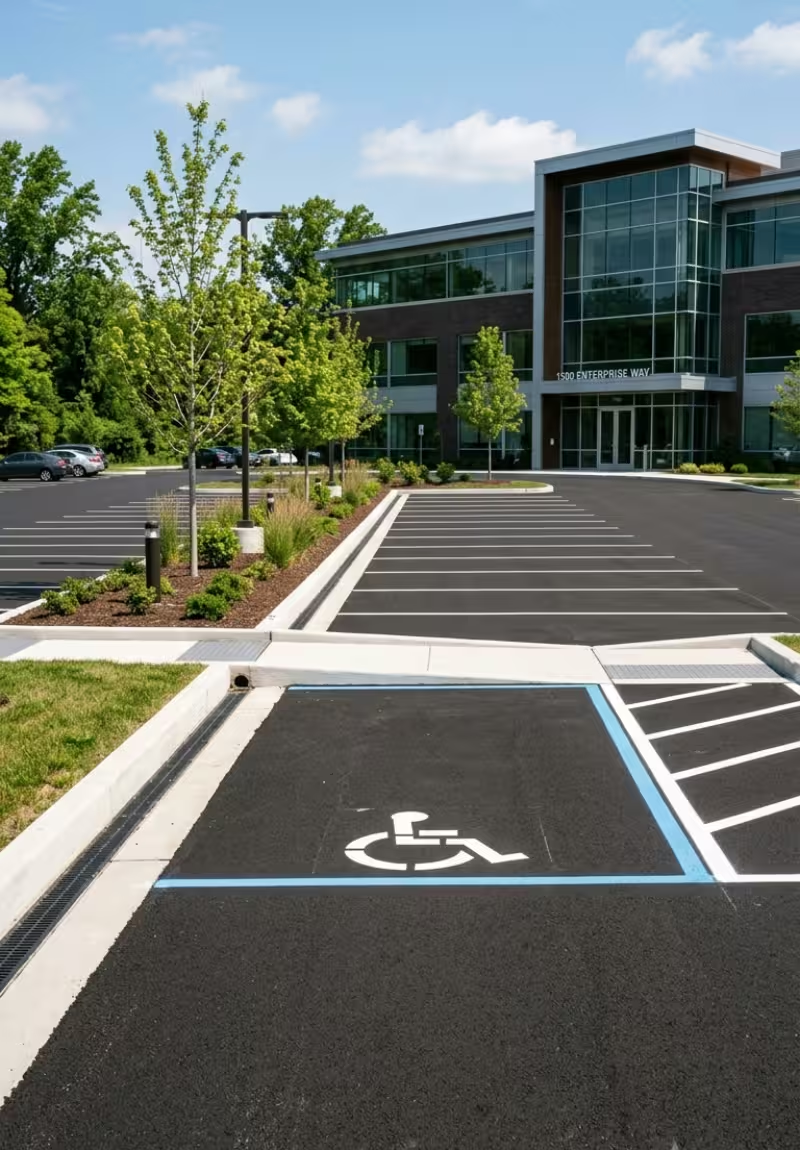
If your driveway or parking lot is faded, worn, lightly cracked, or no longer looks smooth, asphalt resurfacing in Pennsylvania may be the right solution. Also called an asphalt overlay, resurfacing involves installing a new asphalt layer over an existing paved surface after proper preparation. It can restore appearance, improve usability, and extend pavement life without the cost of full replacement.
However, resurfacing is not right for every asphalt surface. It works best when the existing pavement base is still strong. If the asphalt has deep potholes, major sinking, poor drainage, or severe base failure, full replacement may be the better long-term option. Choosing the wrong service can lead to repeated cracks and repairs.
American Paving & Concrete provides asphalt resurfacing, asphalt overlay, asphalt repair, asphalt installation, asphalt maintenance, seal coating, residential asphalt paving, commercial paving, parking lot paving, driveway paving, and concrete paving throughout Pennsylvania. This guide explains when resurfacing makes sense, when replacement is better, and what property owners should know before starting.
What Is Asphalt Resurfacing?
Asphalt resurfacing is the process of adding a new layer of asphalt over an existing asphalt surface. Before the new layer is installed, the old surface must be inspected and prepared. Preparation may include cleaning, crack filling, patching weak areas, repairing potholes, correcting minor low spots, and addressing drainage concerns.
Asphalt resurfacing can be used for:
- Residential driveways
- Commercial parking lots
- Private roads
- Drive lanes
- Asphalt access areas
- Worn blacktop surfaces
- Lightly cracked pavement
- Stable asphalt needing a fresh surface
Resurfacing gives the pavement a smoother, darker, and cleaner finish while improving daily function. It is often more affordable than full replacement when the existing base is still stable.
What Is an Asphalt Overlay?
An asphalt overlay is another name often used for resurfacing. It means a new asphalt layer is placed over the existing asphalt surface. The goal is to restore the top layer without removing the full pavement structure.
An overlay may be a smart choice when the asphalt is worn but not structurally failed. It is commonly used when the surface has fading, minor cracks, and moderate wear, but the base underneath remains strong.
An overlay should not be used as a shortcut over serious pavement failure. If the base is weak, the new asphalt layer may crack or sink as the old problems return.
When Asphalt Resurfacing Is a Good Option
Asphalt resurfacing may be a good choice when the pavement has surface wear but is still structurally sound. This means the base can support the new asphalt layer and the existing damage is not too severe.
Resurfacing may be suitable if:
- The asphalt surface is faded
- The pavement is worn but mostly level
- Cracks are minor or moderate
- The base is still stable
- Potholes are limited and repairable
- Drainage is generally working
- Edges are still in fair condition
- You want a smoother, fresher surface
A professional inspection is important before resurfacing. The contractor should confirm that the pavement is strong enough for an overlay.
When Full Asphalt Replacement Is Better
Full replacement may be needed when resurfacing would only cover the problem temporarily. If the asphalt base has failed, a new overlay will not solve the deeper issue.
Replacement may be better if the pavement has:
- Widespread alligator cracking
- Deep potholes throughout the surface
- Major sinking or uneven sections
- Standing water in multiple areas
- Poor drainage
- Severe edge failure
- Soft spots
- Repeated failed patch repairs
- Asphalt breaking apart across large sections
Replacement gives the contractor the opportunity to remove the old asphalt, rebuild the base, correct drainage, and install a stronger new surface.
Asphalt Resurfacing vs Asphalt Replacement
The main difference between resurfacing and replacement is how much of the existing pavement structure is removed.
Asphalt Resurfacing
Resurfacing keeps most of the existing pavement in place. After preparation, a new asphalt layer is installed on top. It is generally less invasive and may cost less than full replacement.
Asphalt Replacement
Replacement removes the old asphalt and may include base reconstruction, grading, drainage correction, and new asphalt installation. It is more involved but often better for failed pavement.
Which One Do You Need?
If the problem is mostly surface-level, resurfacing may work. If the problem is structural, replacement is usually the better investment.
Driveway Resurfacing in Pennsylvania
Homeowners often search for driveway resurfacing near me when their asphalt driveway looks old but is not completely failed. Driveway resurfacing can improve curb appeal and create a smoother driving surface.
Driveway resurfacing may be suitable if:
- The driveway is faded
- The surface is rough or worn
- Cracks are not severe
- There are only a few small repair areas
- The driveway base is stable
- Drainage is acceptable
If your driveway has deep potholes, major sinking, or widespread cracking, replacement may be needed instead.
Parking Lot Resurfacing for Commercial Properties
Commercial parking lots receive more traffic than residential driveways. Cars, delivery vehicles, customers, tenants, employees, and snow removal equipment all contribute to surface wear.
Parking lot resurfacing may help:
- Improve property appearance
- Smooth worn driving areas
- Reduce rough pavement
- Extend parking lot life
- Prepare the surface for line striping
- Improve customer impression
- Support better traffic flow
Before resurfacing, potholes, cracks, drainage problems, and weak areas should be repaired. For commercial lots with severe base failure, full replacement may be necessary.
Why Drainage Must Be Checked Before Resurfacing
Drainage is one of the most important factors in asphalt performance. If water caused the original damage, resurfacing without correcting drainage may lead to repeated problems.
Poor drainage can cause:
- Standing water
- Potholes
- Cracking
- Base failure
- Sinking areas
- Ice patches in winter
- Edge deterioration
Before resurfacing, a contractor should check how water moves across the driveway or parking lot. If drainage correction is needed, it should be addressed before the overlay is installed.
Asphalt Overlay Cost: What Affects Pricing?
Many property owners search for asphalt overlay cost before scheduling an estimate. Resurfacing is often less expensive than full replacement, but the final price depends on the project.
Cost factors may include:
- Size of the driveway or parking lot
- Existing asphalt condition
- Crack filling needs
- Pothole repair
- Surface preparation
- Asphalt thickness
- Drainage correction
- Milling if needed
- Site access
- Residential or commercial use
- Local labor and material costs
The best way to get accurate pricing is to schedule an on-site inspection with American Paving & Concrete.
Can You Resurface Asphalt Without Repairs?
In most cases, damaged asphalt should be repaired before resurfacing. If cracks, potholes, or weak areas are ignored, they can reflect through the new asphalt layer and shorten the life of the overlay.
Before resurfacing, the contractor may recommend:
- Crack filling
- Pothole repair
- Edge repair
- Low spot correction
- Surface cleaning
- Drainage checks
- Milling where needed
Proper preparation helps the new asphalt layer bond better and perform longer.
Is Asphalt Resurfacing Worth It?
Asphalt resurfacing can be worth it when the existing pavement is still structurally sound. It can improve appearance, function, and surface condition at a lower cost than full replacement.
Resurfacing may be a smart investment if:
- The base is stable
- Surface wear is the main issue
- You want better curb appeal
- Repairs can be completed first
- Drainage is acceptable
- Full replacement is not necessary
However, resurfacing is not worth it if the base is failing. In that case, replacement may provide better long-term value.
Choosing an Asphalt Resurfacing Contractor in Pennsylvania
When searching for asphalt resurfacing near me, choose a contractor who understands repair, overlay, replacement, drainage, and maintenance. A reliable contractor should inspect the pavement before recommending resurfacing.
Before hiring a contractor, ask:
- Is my asphalt suitable for resurfacing?
- Do I need repairs before overlay?
- Is the base stable?
- How will drainage be handled?
- Will milling be needed?
- What asphalt thickness do you recommend?
- Is replacement a better option?
- Do you provide sealcoating and maintenance?
- Can you provide a written estimate?
A professional contractor should be honest about whether resurfacing will work or whether replacement is needed.
Maintenance After Asphalt Resurfacing
After resurfacing, proper maintenance helps protect the new asphalt layer. Maintenance can reduce future cracks, fading, and surface wear.
Helpful maintenance steps include:
- Keep the surface clean
- Avoid standing water
- Fill cracks early
- Repair damage quickly
- Sealcoat when appropriate
- Check drainage after storms
- Avoid heavy loads on weak edges
- Schedule inspections when damage appears
Sealcoating may be recommended later once the surface is ready and in good condition.
Schedule Asphalt Resurfacing in Pennsylvania
If your driveway or parking lot is faded, worn, lightly cracked, or ready for a smoother surface, American Paving & Concrete can help. The company provides asphalt resurfacing, asphalt overlay, asphalt repair, asphalt installation, asphalt maintenance, seal coating, residential asphalt paving, commercial paving, parking lot paving, driveway paving, and concrete paving throughout Pennsylvania.
Whether your pavement needs resurfacing, repair, sealcoating, or full replacement, the team can inspect the surface and recommend the best option.
Call American Paving & Concrete: (610) 477-3553
Email: info@americanpavingandconcrete.com