American Paving & Concrete Blog

Practical guides on driveways, parking lots, repairs, sealcoating and concrete for Pennsylvania property owners.

Paving Advice for Pennsylvania Property Owners

Answers to the questions we hear most, from costs and curing times to when to repair, resurface or replace. Browse by topic:

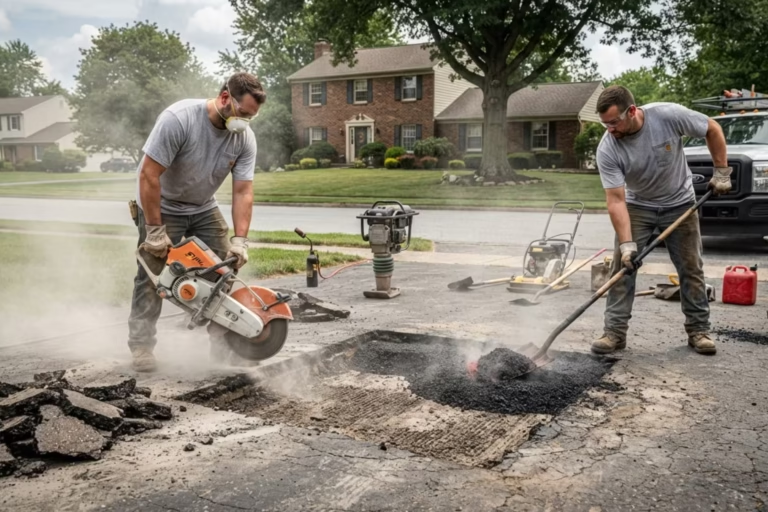
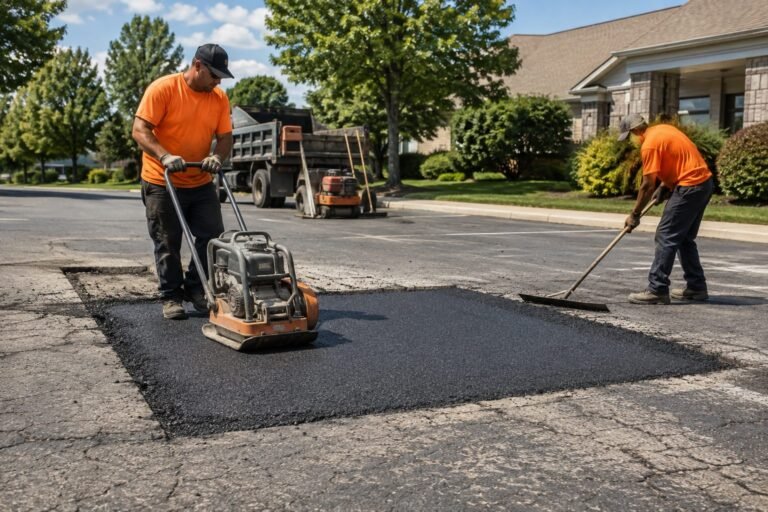
Illustration for the guide: Pothole Repair in Pennsylvania: Why Fast Asphalt Repair Matters
Asphalt Repair

Pothole Repair in Pennsylvania: Why Fast Asphalt Repair Matters

If your driveway or parking lot has potholes, fast pothole repair in Pennsylvania can help prevent bigger asphalt problems, improve safety, and protect your pavement from long-term damage. Potholes are one of the most common asphalt issues for homeowners, business owners, property managers, churches, apartment complexes, retail centers, and commercial properties. A small pothole may […]
Read guide »
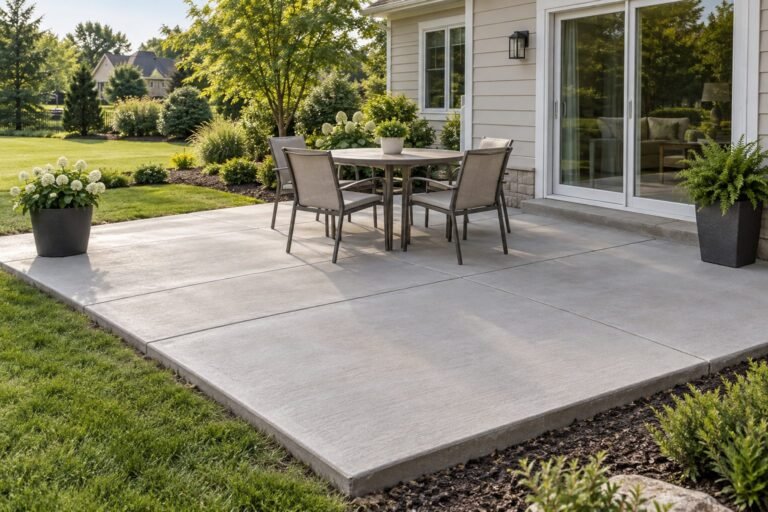
Illustration for the guide: What Is the Most Low-Maintenance Patio
Concrete Paving

What Is the Most Low-Maintenance Patio?

For many homeowners, plain poured concrete is the most practical low-maintenance patio material. It creates a continuous surface with relatively few joints, does not require asphalt-style sealcoating and can usually be maintained through routine cleaning, drainage care and periodic inspection. Porcelain pavers are another low-maintenance option. They resist moisture and staining well, but their performance […]

Read guide »
Illustration for the guide: What Is the Difference Between Asphalt Patching and Asphalt Repair
Asphalt Repair

What Is the Difference Between Asphalt Patching and Asphalt Repair?

Asphalt patching and asphalt repair are closely related terms, but they do not mean exactly the same thing. Asphalt patching is a specific repair method used to replace or cover a localized area of damaged pavement. Asphalt repair is the broader category of work used to correct cracks, potholes, settlement, failed edges, drainage problems and […]

Read guide »
Illustration for the guide: What Is the Difference Between Asphalt and Blacktop
Asphalt Paving

What Is the Difference Between Asphalt and Blacktop?

Asphalt and blacktop are often discussed as though they are two completely different paving materials. In everyday conversation, however, blacktop is usually an informal name for asphalt pavement, especially the smooth, dark surface installed on residential driveways, private lanes and smaller parking areas. Both surfaces are generally made by combining mineral aggregate—such as crushed stone, […]

Read guide »
Illustration for the guide: What Is Sealcoating
Sealcoating

What Is Sealcoating?

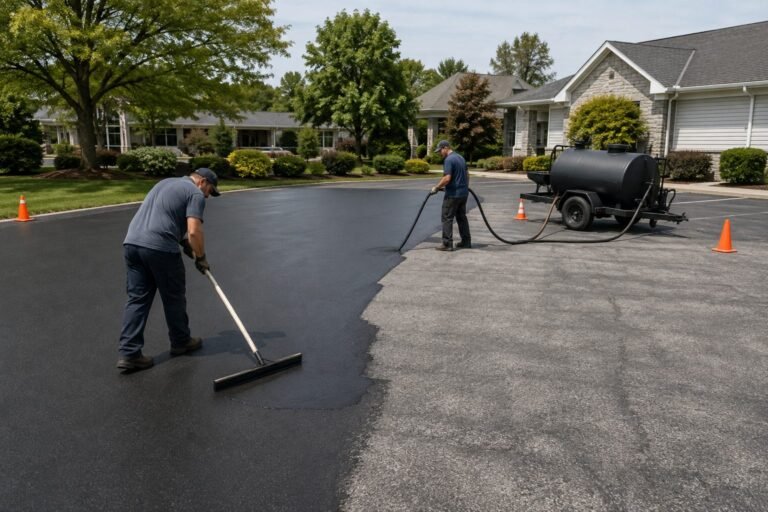
Sealcoating is a preventive asphalt-maintenance treatment that applies a protective liquid coating over an existing paved surface. After it dries and cures, the coating creates a more uniform protective layer that can help reduce direct exposure to: Sealcoating can also restore the darker appearance of faded asphalt. However, it does not install a new asphalt […]

Read guide »
Illustration for the guide: What Are the Benefits of an Asphalt Driveway
Driveway Paving

What Are the Benefits of an Asphalt Driveway?

An asphalt driveway can provide a smooth, practical, and attractive surface for residential vehicle access. It is widely used for short suburban driveways, long private lanes, shared entrances, turnaround areas, and additional home parking spaces. The main benefits of an asphalt driveway include: These advantages depend on correct installation. Excavation, aggregate-base preparation, grading, drainage, asphalt […]

Read guide »
Illustration for the guide: Asphalt Resurfacing in Pennsylvania: When Overlay Is the Smart Choice
Asphalt Paving

Asphalt Resurfacing in Pennsylvania: When Overlay Is the Smart Choice

If your driveway or parking lot is faded, worn, lightly cracked, or no longer looks smooth, asphalt resurfacing in Pennsylvania may be the right solution. Also called an asphalt overlay, resurfacing involves installing a new asphalt layer over an existing paved surface after proper preparation. It can restore appearance, improve usability, and extend pavement life […]

Read guide »
Illustration for the guide: Is Tar-and-Chip Driveway Installation Expensive
Driveway Paving

Is Tar-and-Chip Driveway Installation Expensive?

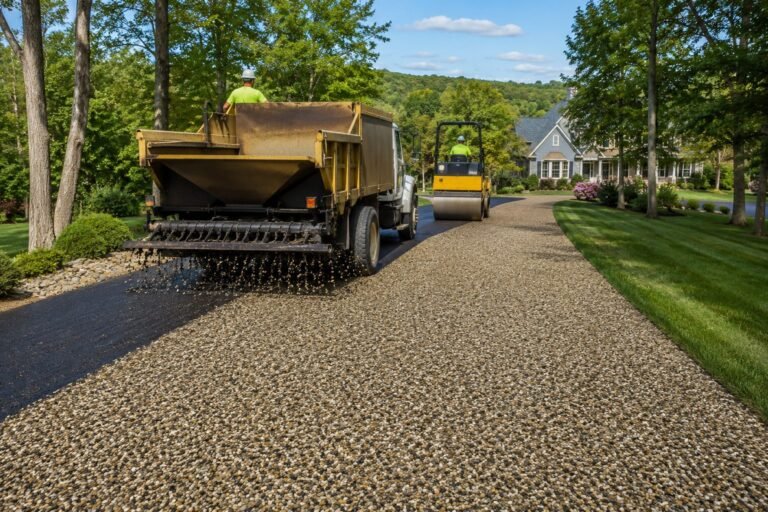
Tar-and-chip driveway installation is generally considered a cost-conscious paving option, particularly for long driveways, rural properties, private lanes and homeowners who prefer a natural stone appearance. It frequently costs less than installing comparable areas with conventional hot-mix asphalt or concrete. However, it normally costs more upfront than leaving a driveway as loose gravel. There is […]

Read guide »
Illustration for the guide: Is Asphalt Milling Environmentally Friendly
Asphalt Milling & Striping

Is Asphalt Milling Environmentally Friendly?

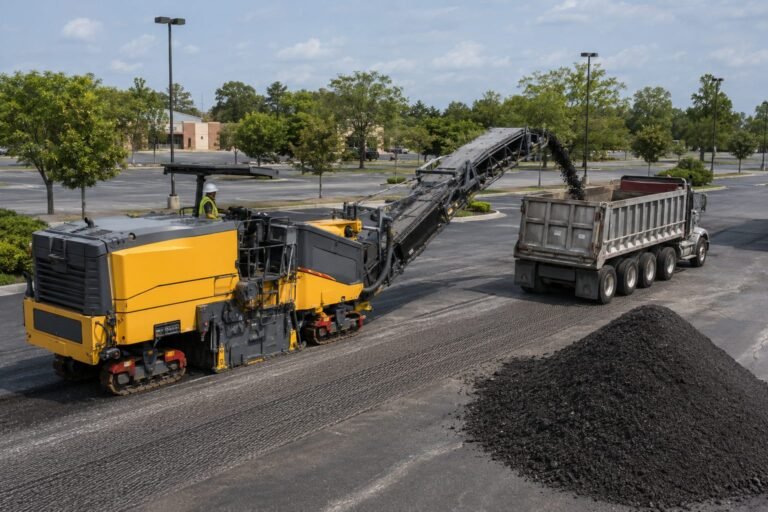
Yes, asphalt milling can be an environmentally friendly way to rehabilitate a worn road, driveway or parking lot—especially when the removed pavement is properly collected and reused as reclaimed asphalt pavement. Milling removes a controlled depth of existing asphalt instead of excavating the entire pavement structure. The recovered material contains valuable aggregate and asphalt binder […]

Read guide »
Illustration for the guide: How Often Should I Sealcoat My Asphalt Driveway or Parking Lot
Sealcoating

How Often Should I Sealcoat My Asphalt Driveway or Parking Lot?

An asphalt driveway or parking lot may commonly be evaluated for sealcoating approximately every two to three years. However, the correct frequency depends on pavement condition, traffic, sunlight, drainage, weather exposure and the type of sealer previously applied. A lightly used residential driveway may not require service as frequently as a commercial parking lot exposed […]

Read guide »
Illustration for the guide: How Long Does It Take to Complete a Commercial Paving Project
Commercial Paving

How Long Does It Take to Complete a Commercial Paving Project?

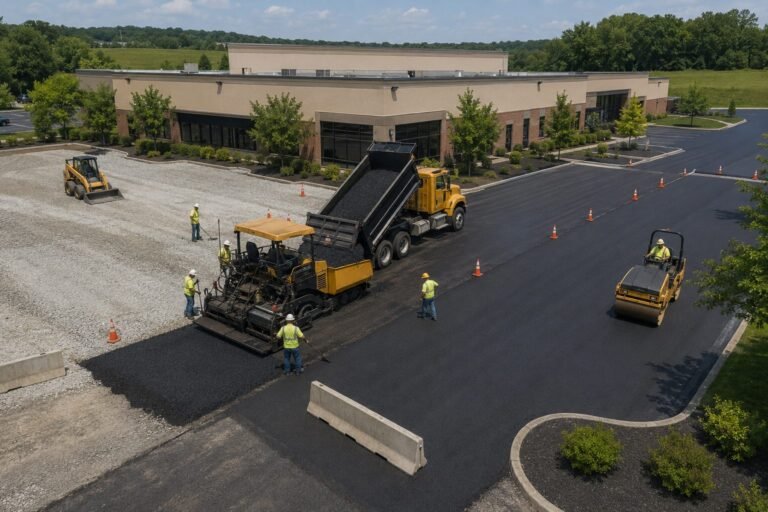
A commercial paving project may take anywhere from one or two days to several weeks. The actual timeframe depends on the pavement’s size and condition, the required construction method, drainage work, traffic demands, weather and whether the project must be completed in phases. A relatively small parking lot that only requires resurfacing may be completed […]

Read guide »
Illustration for the guide: How Long Does Newly Paved Asphalt Take to Cure Before It Can Be Used
Asphalt Paving

How Long Does Newly Paved Asphalt Take to Cure Before It Can Be Used?

Newly paved asphalt can often support normal passenger vehicles after approximately 24–48 hours, provided it has cooled sufficiently and the paving contractor confirms that it is ready. Hot weather, thick pavement, shade, heavy vehicles and certain project conditions may require a longer waiting period. Commercial trucks, trailers, waste-removal vehicles and other heavy loads should generally […]

Read guide »