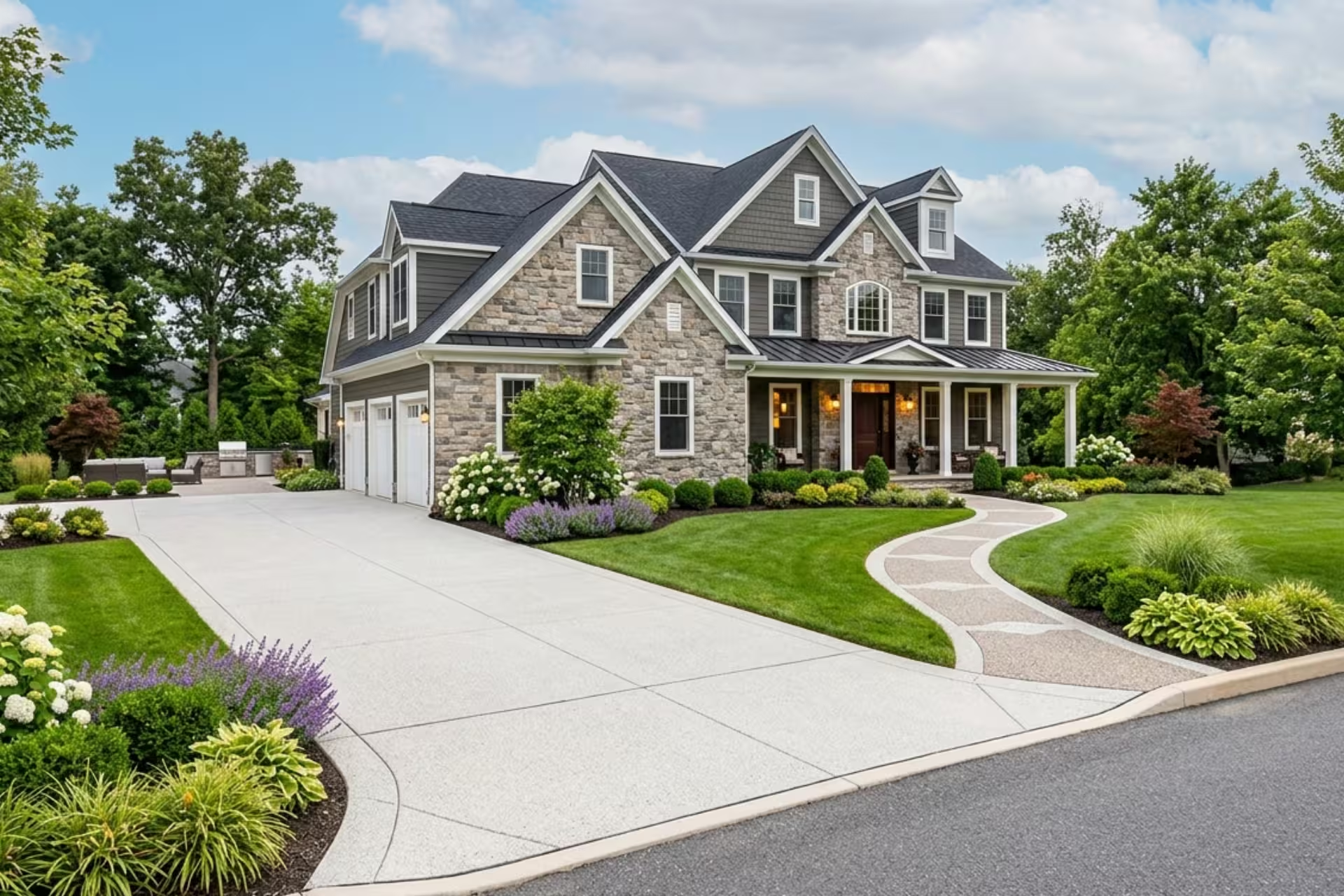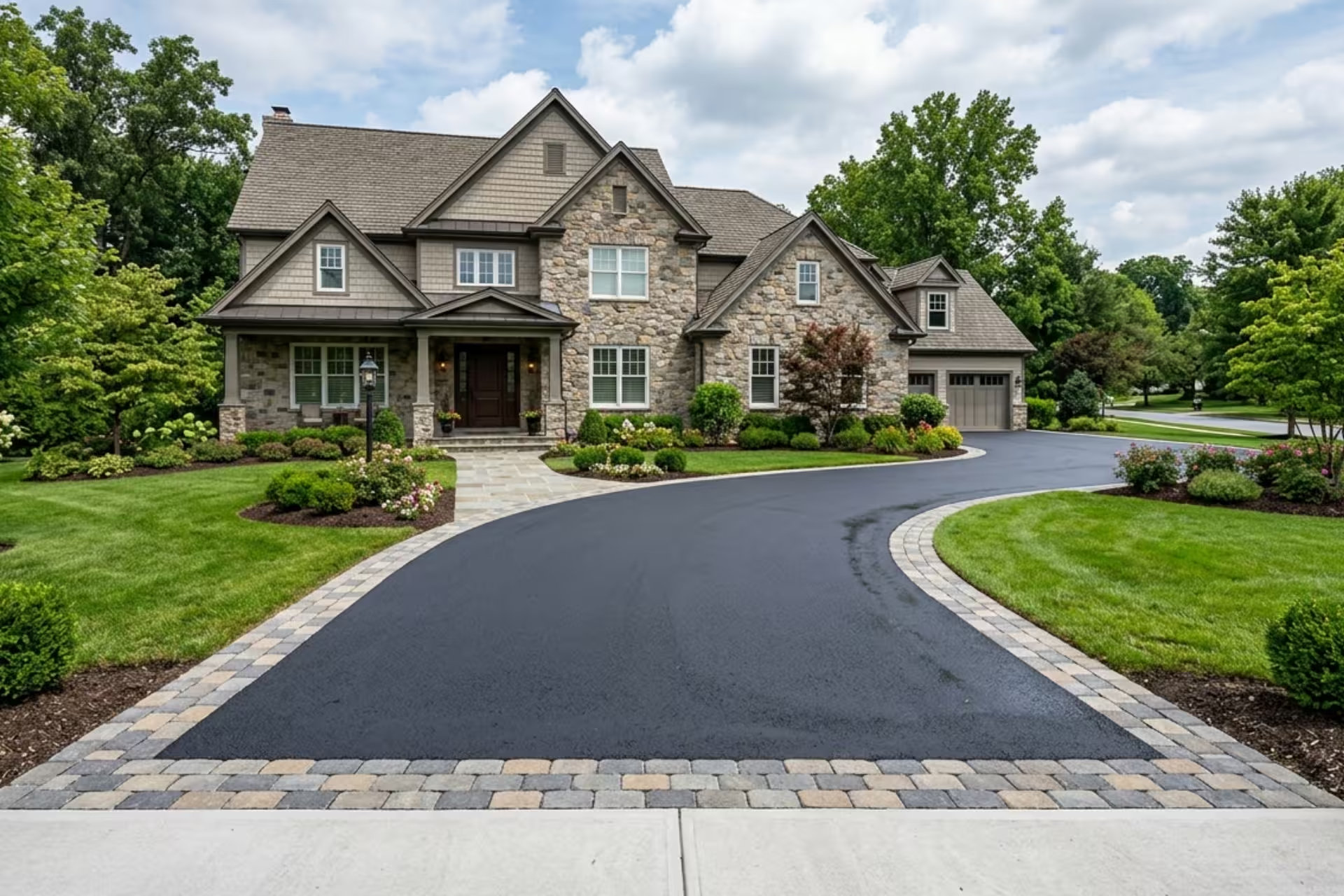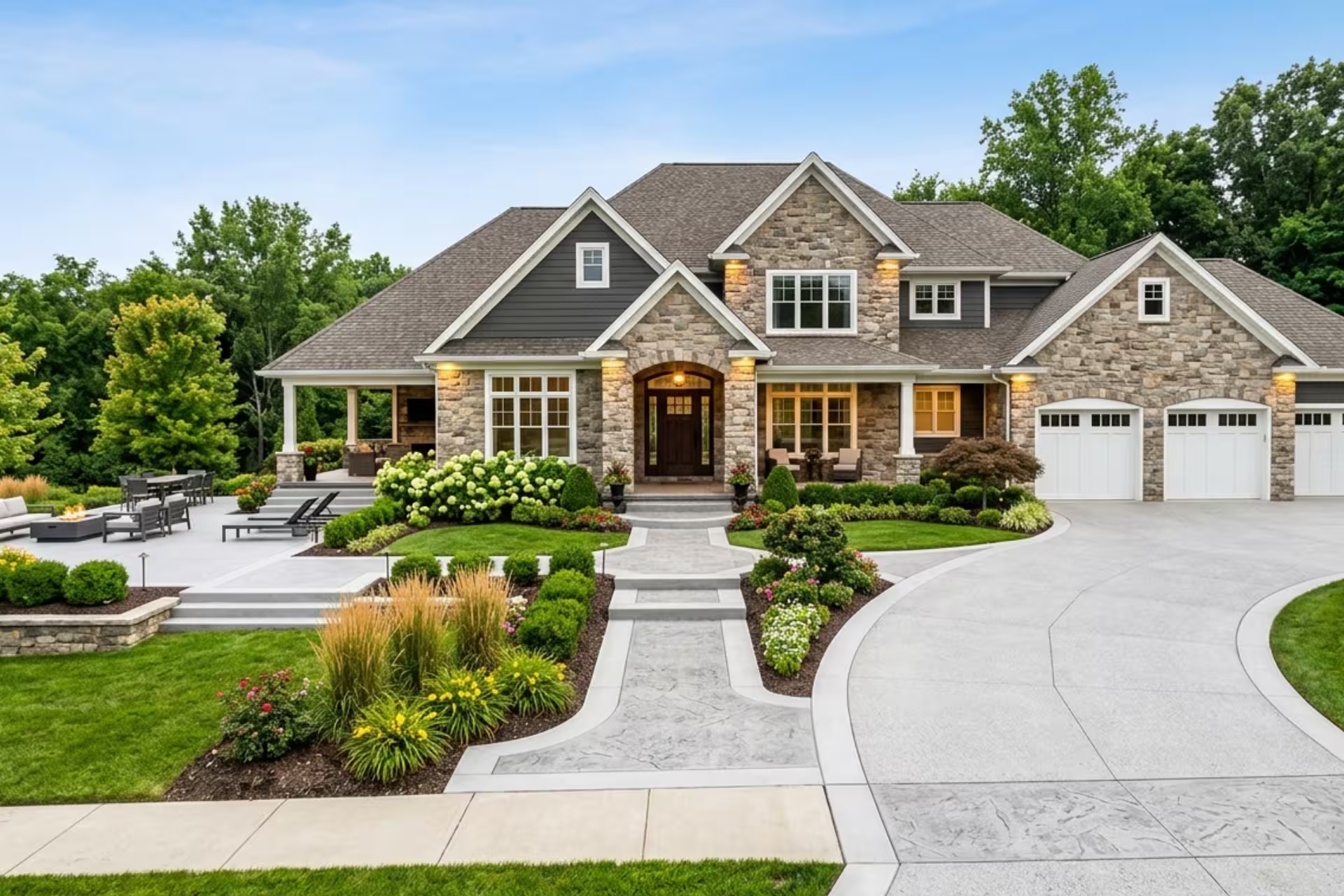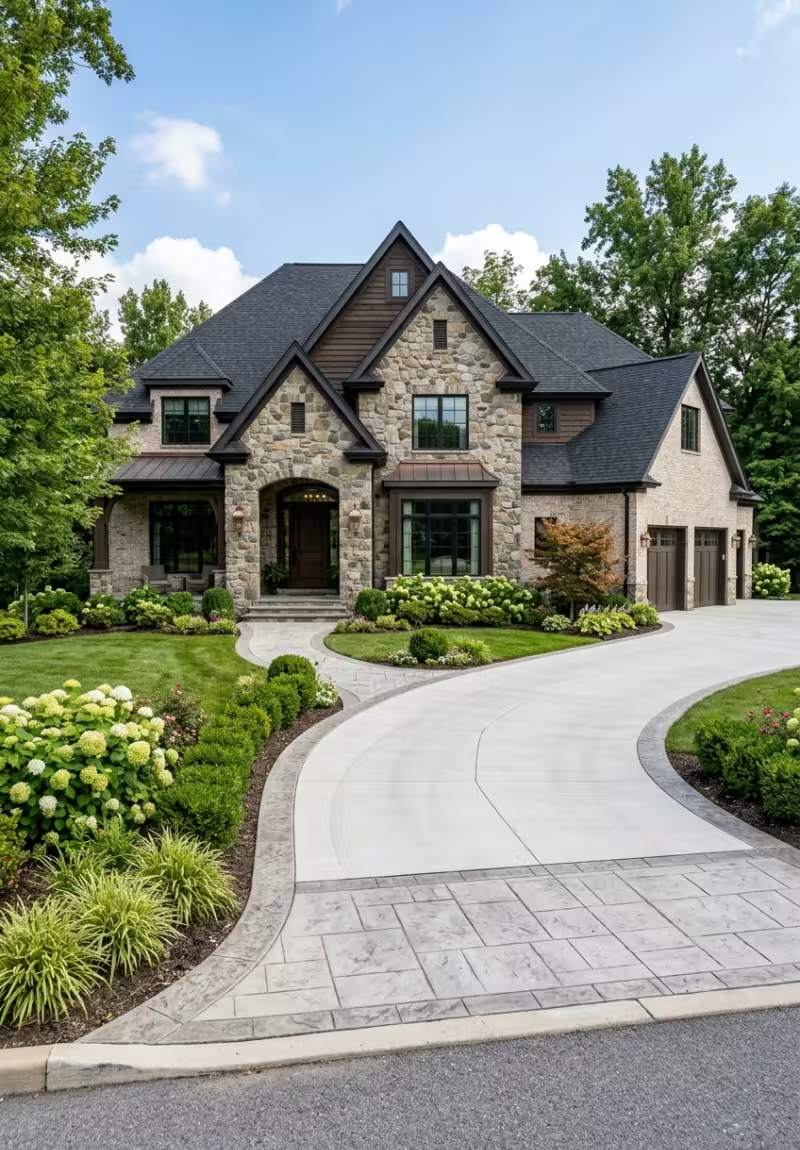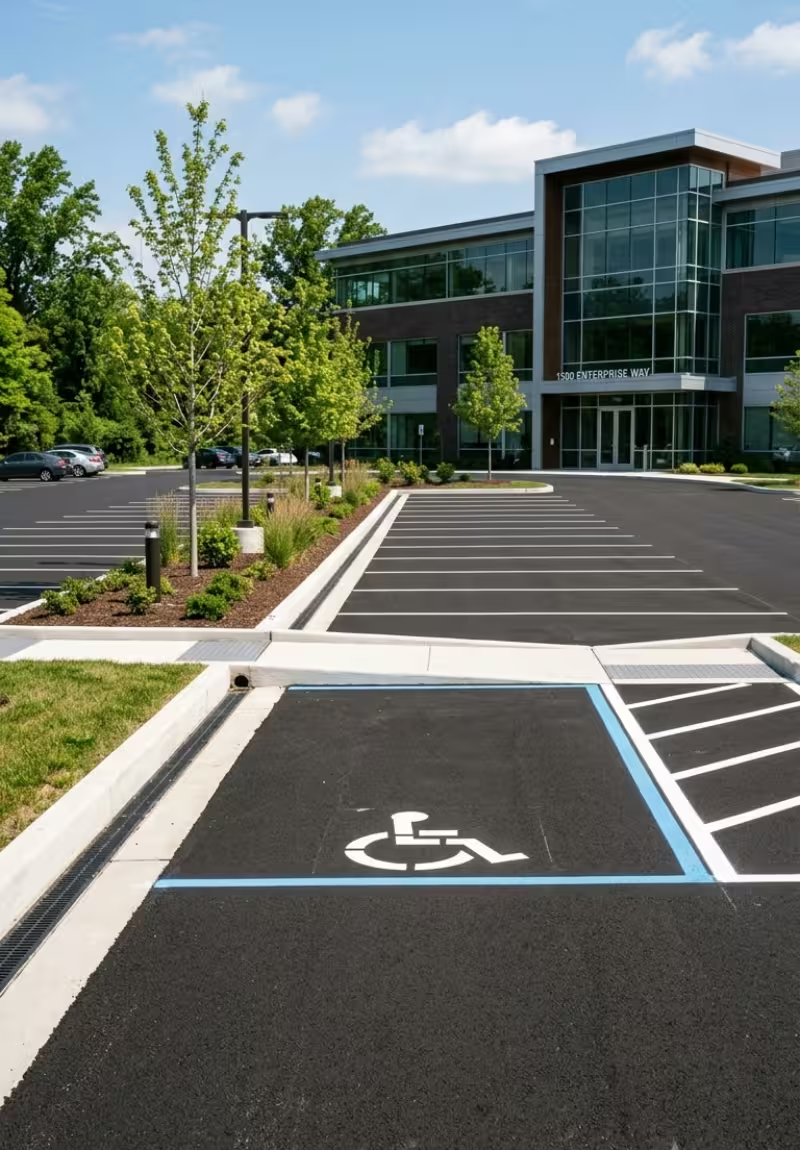
A residential driveway must provide dependable access, support everyday traffic and direct water safely across the property. Its performance depends on more than the appearance of the finished asphalt.
Soil condition, aggregate-base construction, drainage, grading, pavement thickness, compaction, edge support and surface transitions all affect the driveway.
American Paving & Concrete provides professional residential asphalt paving for homeowners in Whitehall Township and surrounding Lehigh County communities.
Our residential services include new asphalt driveway installation, driveway replacement, resurfacing, gravel-to-asphalt conversion, driveway extensions, private-lane paving, pothole repair, patching, crack treatment, drainage correction and preventive maintenance.
Residential Asphalt Paving in Whitehall Township
Residential properties can have substantially different paving requirements. Some homes have short, straight driveways, while others have curved entrances, steep sections, shared access areas or additional residential parking.
Before recommending work, the property should be evaluated for:
- Existing pavement condition
- Soil stability
- Aggregate-base depth
- Drainage
- Surface slope
- Driveway dimensions
- Garage elevation
- Public-road transition
- Expected vehicle weight
- Equipment access
- Pavement edges
- Nearby landscaping
- Concrete connections
- Utility and drainage structures
These conditions help determine whether the driveway requires repair, resurfacing, replacement or a completely new installation.
New Asphalt Driveway Installation
New driveway installation may be appropriate for:
- Newly constructed homes
- Gravel driveways
- Dirt or stone access areas
- Severely deteriorated pavement
- Residential parking expansions
- Driveway widening
- Private access lanes
- New garage approaches
Professional asphalt installation may include:
- Inspecting and measuring the property
- Removing vegetation and unsuitable materials
- Excavating to the required depth
- Correcting unstable soil
- Installing aggregate base material
- Grading the surface for drainage
- Compacting the supporting base
- Placing the asphalt
- Compacting the new pavement
- Finishing edges and transitions
- Reviewing the completed driveway
The pavement structure should reflect its intended use. A driveway supporting work trucks, trailers or recreational vehicles may require stronger preparation than one used only by passenger vehicles.
Gravel-to-Asphalt Driveway Conversion
An existing gravel driveway can often be converted to asphalt, but the gravel should first be inspected as a supporting base.
Important conditions include:
- Aggregate depth
- Aggregate type
- Compaction
- Rutting
- Soft areas
- Drainage
- Surface slope
- Organic contamination
- Edge support
- Garage transition
- Road connection
Stable material may be regraded and compacted. Loose, thin or contaminated sections may require additional aggregate or excavation.
Asphalt should not simply be installed over unstable gravel. Movement in the underlying material can eventually affect the finished surface.
Driveway Widening and Parking Extensions
Some residential properties need additional pavement for:
- Multi-vehicle parking
- Guest parking
- Side-by-side parking
- Turnaround areas
- Trailer access
- Recreational vehicles
- Wider garage approaches
- Improved vehicle movement
A driveway extension should be constructed with proper excavation and base support.
Placing asphalt directly over lawn, topsoil or uncompacted material can result in settlement and cracking. The new section should also connect smoothly with the existing driveway without creating low spots or drainage problems.
Asphalt Driveway Replacement
Complete driveway replacement may be necessary when deterioration is widespread or extends into the supporting base.
Possible signs include:
- Extensive alligator cracking
- Repeated potholes
- Severe settlement
- Large soft areas
- Crumbling pavement
- Major drainage problems
- Broken edges
- Asphalt separating into loose material
- Extensive base failure
- Repairs that repeatedly fail
Replacement allows damaged pavement to be removed so the base, grade and drainage can be evaluated.
Stable material may sometimes remain in place, while weak or contaminated sections should be rebuilt before the new asphalt is installed.
Residential Asphalt Resurfacing
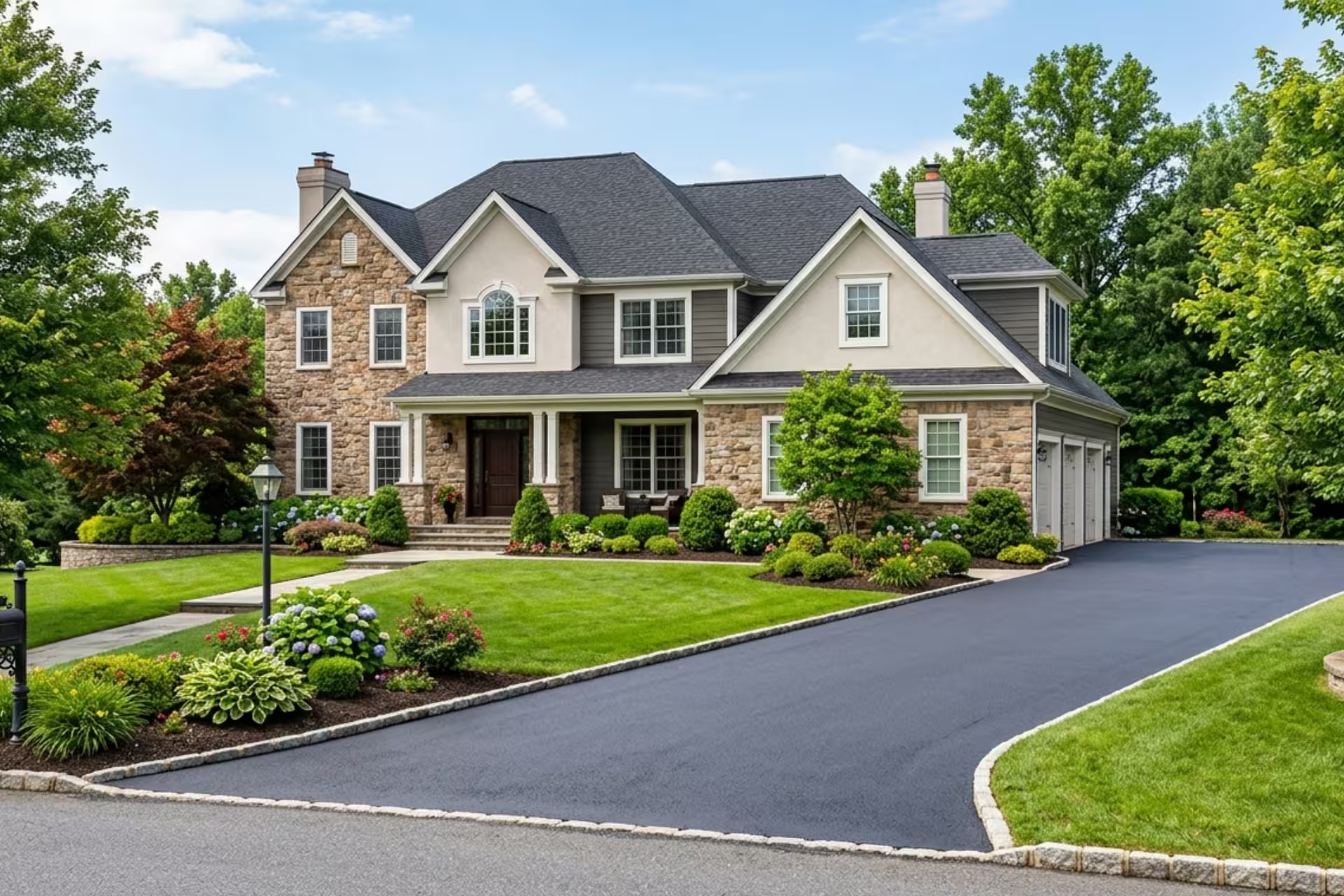
Resurfacing, also called an asphalt overlay, installs a new asphalt layer over prepared existing pavement.
Resurfacing may be considered when:
- The supporting base remains stable
- The driveway is generally level
- Surface wear is widespread
- Cracking is moderate
- Potholes are limited and repairable
- Drainage remains functional
- Existing elevations permit an overlay
- Garage and road transitions can be maintained
Before resurfacing, failed sections should be repaired and the existing surface properly prepared.
Resurfacing should not be used to conceal extensive base failure, severe settlement or unresolved drainage problems.
Residential Asphalt Repair
Not every damaged driveway requires complete replacement.
Professional asphalt repair may include:
- Crack filling
- Pothole repair
- Surface patching
- Full-depth patching
- Edge reconstruction
- Low-area correction
- Failed-section replacement
- Drainage-related repairs
- Garage-transition repair
- Road-entrance repair
The repair method depends on the cause and depth of the damage.
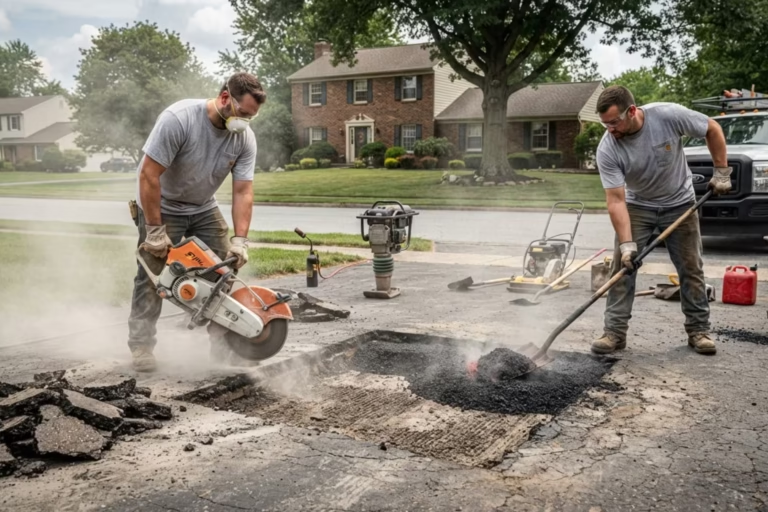
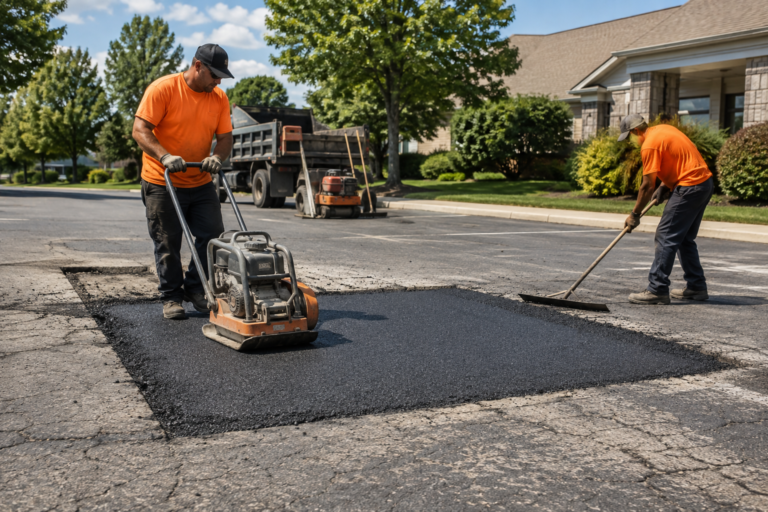
Surface patching may be suitable for shallow deterioration. Full-depth repair may be necessary when the material beneath the asphalt has become unstable.
Driveway Drainage and Grading
Water can damage pavement when it collects on the surface, enters cracks or erodes the aggregate base.
A driveway should direct runoff away from:
- Garages
- Foundations
- Entrances
- Walkways
- Low pavement areas
- Unsupported edges
- Neighboring properties
- Road transitions
Poor drainage may contribute to:
- Standing water
- Cracking
- Potholes
- Base erosion
- Settlement
- Ice formation
- Edge failure
- Recurring patch damage
Drainage improvements may involve correcting the pavement slope, rebuilding depressed sections, adjusting runoff paths or improving transitions.
Driveway Edges and Surface Transitions
Residential driveway edges often receive less support than the center of the pavement.
Edge damage may result from:
- Vehicles leaving the paved surface
- Weak shoulders
- Water erosion
- Heavy vehicle loads
- Snowplow activity
- Vegetation growth
- Narrow base construction
- Poor compaction
The supporting base should extend beneath the asphalt edges, and the finished pavement should be compacted appropriately.
Transitions at garage floors, sidewalks, concrete aprons and public roads also require careful planning. Poor transitions may create water collection, rough vehicle access, trip hazards or premature pavement breakup.
Repair, Resurface or Replace?
The appropriate service depends on both the surface condition and the supporting pavement structure.
Repair
Repair may be suitable for isolated cracks, potholes, damaged edges and individual failed sections.
Resurface
Resurfacing may be appropriate when the base remains stable but the upper pavement is worn or moderately cracked.
Replace
Replacement may be necessary when structural cracking, settlement, potholes, drainage problems or base failure are widespread.
A driveway’s age alone does not determine which option is correct. An on-site inspection provides more useful information.
Lehigh County Weather and Residential Asphalt
Residential asphalt in Whitehall Township is exposed to:
- Summer heat
- Direct sunlight
- Heavy rain
- Snow
- Ice
- Freezing temperatures
- Freeze-thaw cycles
- Road salt
- Snow-removal equipment
Water that enters open pavement cracks can reach the aggregate base. When trapped moisture freezes, movement may worsen existing cracks, potholes and settlement.
Proper installation, drainage and timely maintenance are important for pavement performance.
Residential Asphalt Maintenance
Regular maintenance can help identify small problems before they become more extensive.
A maintenance plan may include:
- Seasonal pavement inspections
- Prompt crack treatment
- Pothole repair
- Edge restoration
- Drainage checks
- Surface cleaning
- Oil-stain treatment
- Vegetation control
- Sealcoating
- Resurfacing planning
Professional asphalt maintenance should be based on actual pavement condition rather than applying every treatment on a fixed schedule.
Residential Driveway Sealcoating
Sealcoating applies a protective coating over eligible asphalt.
It may help reduce direct exposure to:
- Ultraviolet sunlight
- Oxididation
- Water
- Road salt
- Oil
- Fuel residue
- Seasonal weather
Sealcoating can also restore a darker, more consistent driveway appearance.
It does not repair potholes, structural cracks, settlement or base failure. Necessary repairs should be completed first.
New asphalt also requires adequate curing before its first sealcoating application.
Asphalt or Concrete for Residential Paving?
Asphalt and concrete have different uses, installation requirements and maintenance characteristics.
Asphalt may be suitable for:
- Residential driveways
- Long private lanes
- Parking extensions
- Curved access areas
- Surfaces that may later be resurfaced
Concrete may be suitable for:
- Garage aprons
- Walkways
- Sidewalks
- Entrance areas
- Pads
- Selected driveway applications
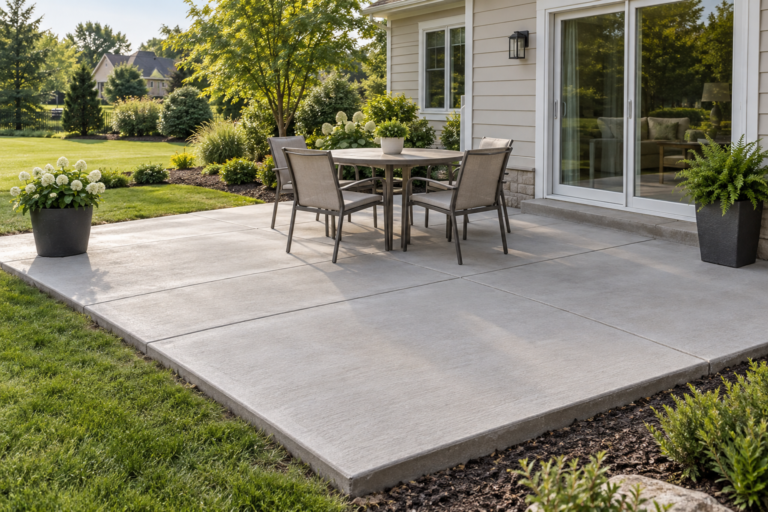
Some properties benefit from using asphalt for the main driveway and concrete for aprons or walkways.
Homeowners can review the asphalt versus concrete driveway comparison when considering both materials.
Factors Affecting Residential Paving Cost
Driveway pricing depends on more than surface area.
Important cost factors include:
- Driveway length and width
- Existing pavement condition
- Excavation requirements
- Removal and disposal
- Soil stability
- Aggregate-base preparation
- Asphalt thickness
- Drainage improvements
- Property access
- Surface slope
- Driveway shape
- Garage and road transitions
- Edge construction
- Repair requirements
Two similarly sized driveways may have different costs if one requires extensive excavation, drainage correction or base reconstruction.
The company’s Pennsylvania asphalt driveway cost guide explains these variables further.
Our Residential Paving Process
1. Property inspection
We evaluate the surface, supporting base, drainage, property access and transitions.
2. Project recommendation
We explain whether repair, resurfacing, replacement or new installation is appropriate.
3. Site preparation
Existing pavement and unstable materials are removed or prepared as necessary.
4. Base construction
Aggregate material is installed, graded and compacted where required.
5. Asphalt installation
The asphalt is placed according to the project’s use and site conditions.
6. Compaction and finishing
The surface is compacted and finished with attention to grade, edges and transitions.
7. Final review
The completed driveway is reviewed, and initial-use and maintenance guidance is provided.
Request a Residential Paving Estimate
American Paving & Concrete provides residential asphalt paving, driveway repair, resurfacing and maintenance in Whitehall Township and qualifying Lehigh County service areas.
We can inspect the property, evaluate the supporting base and drainage, and recommend an appropriate paving solution.
Call: (610) 203-4241
Email: info@americanpavingandconcrete.com
Address: 2114 Dublin Pike, Quakertown, PA 18951
Online: Request a free estimate