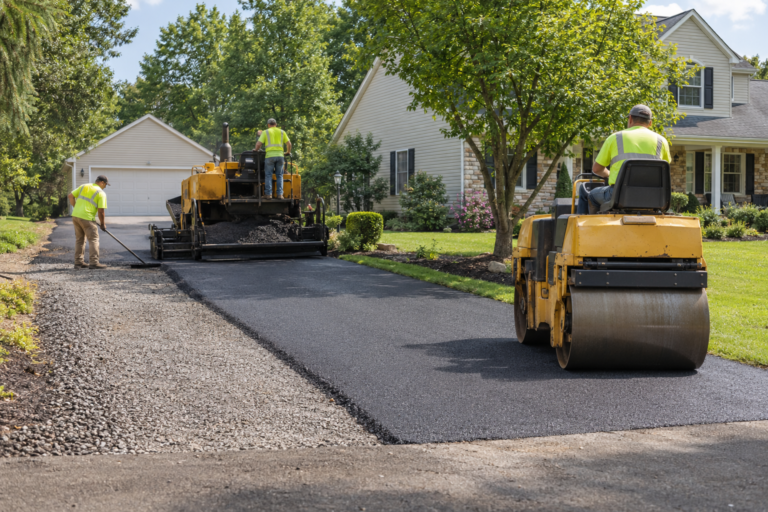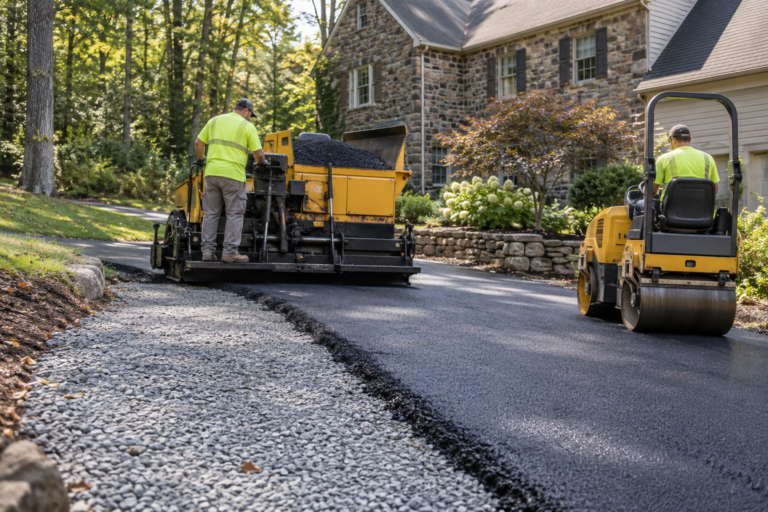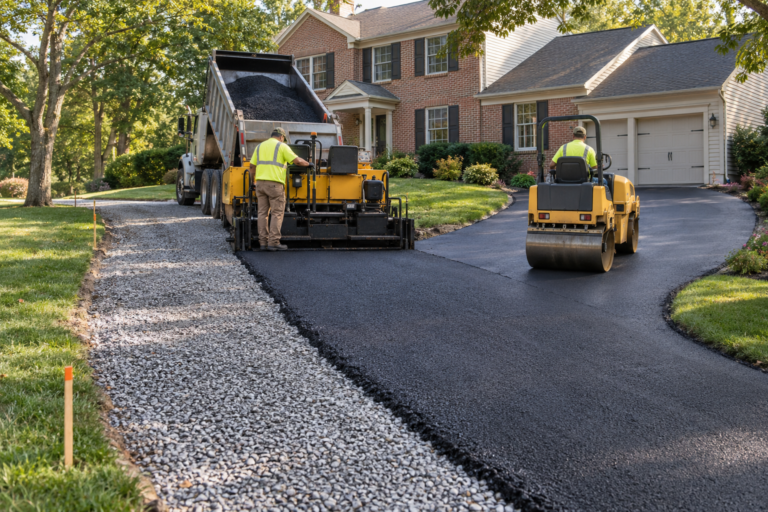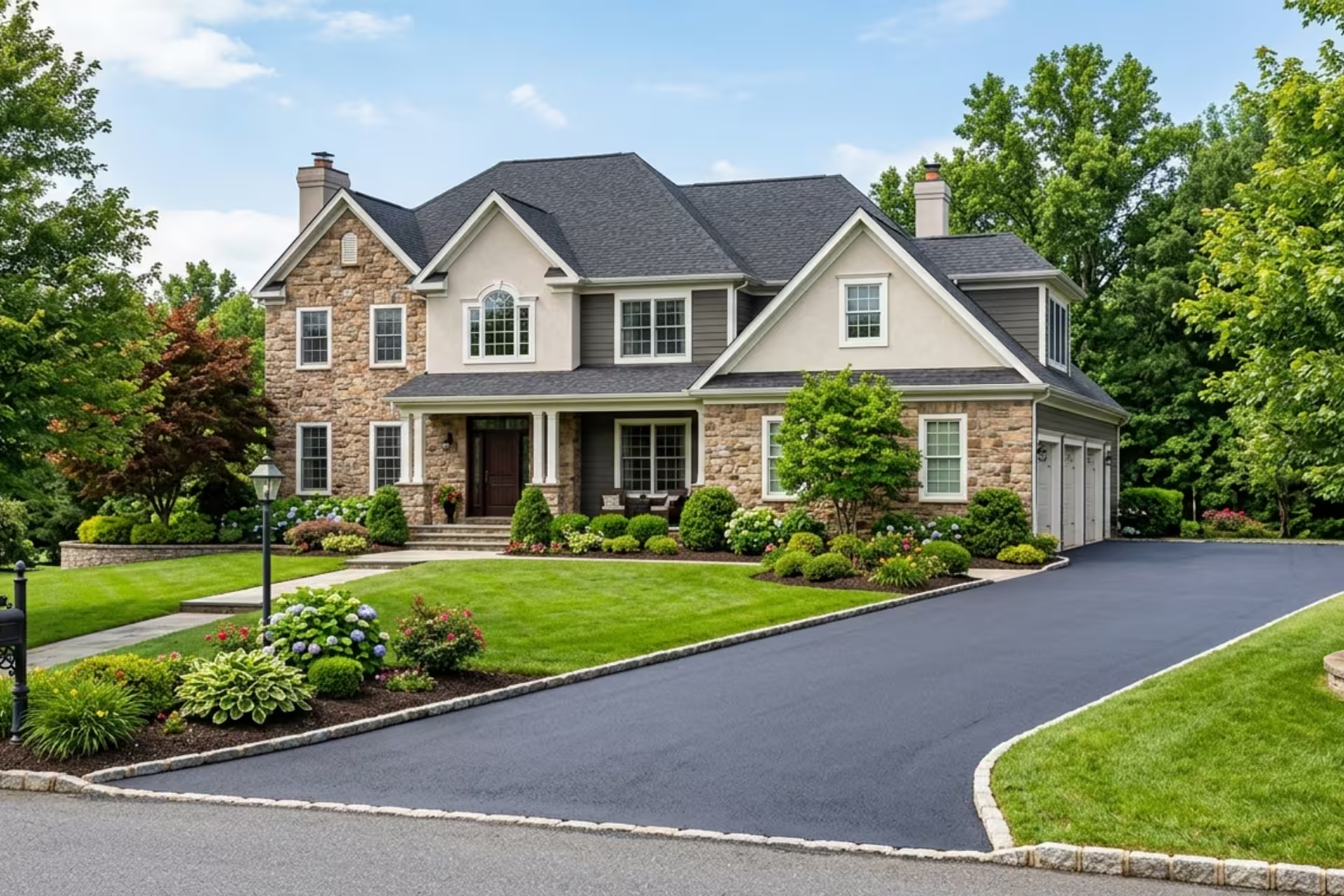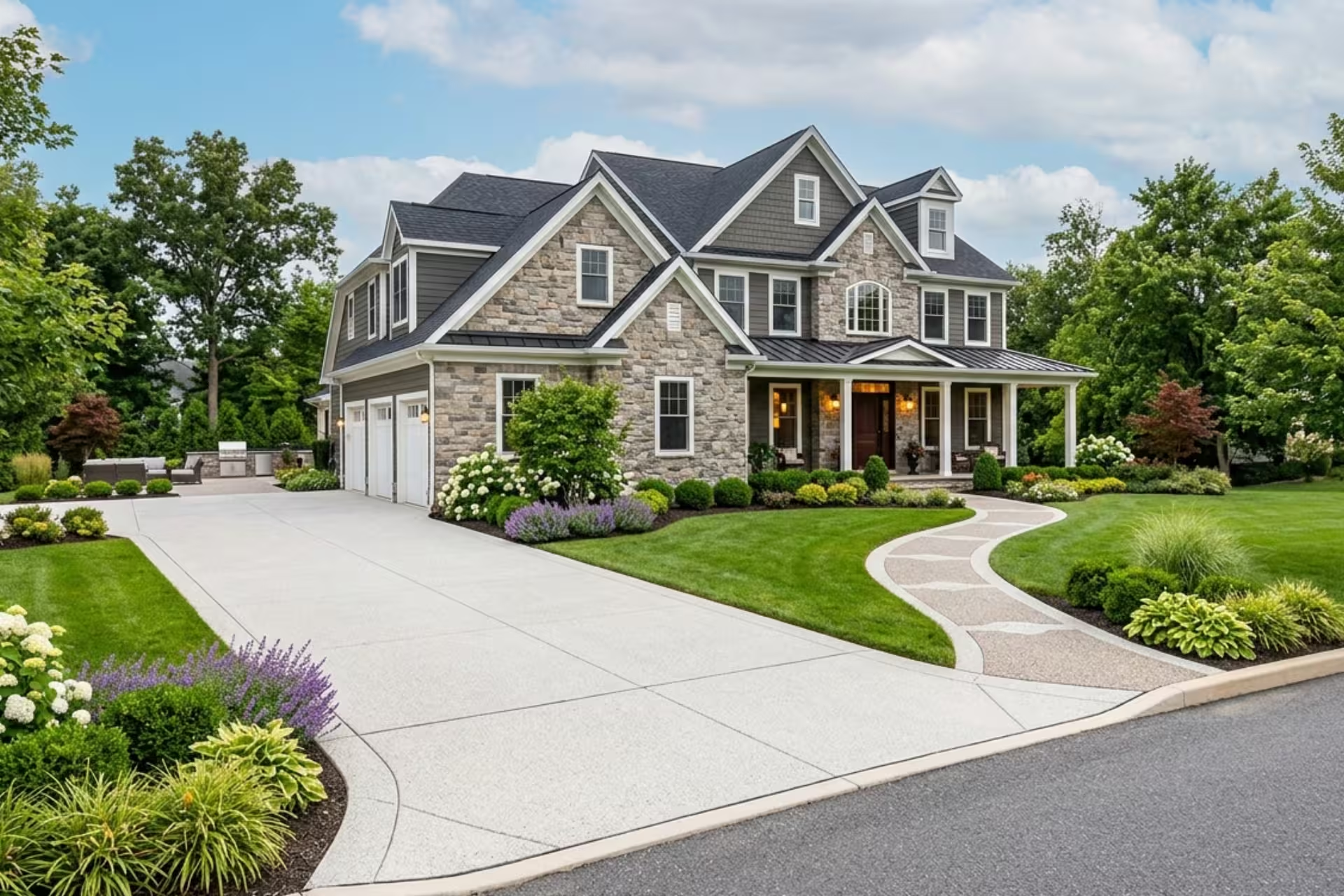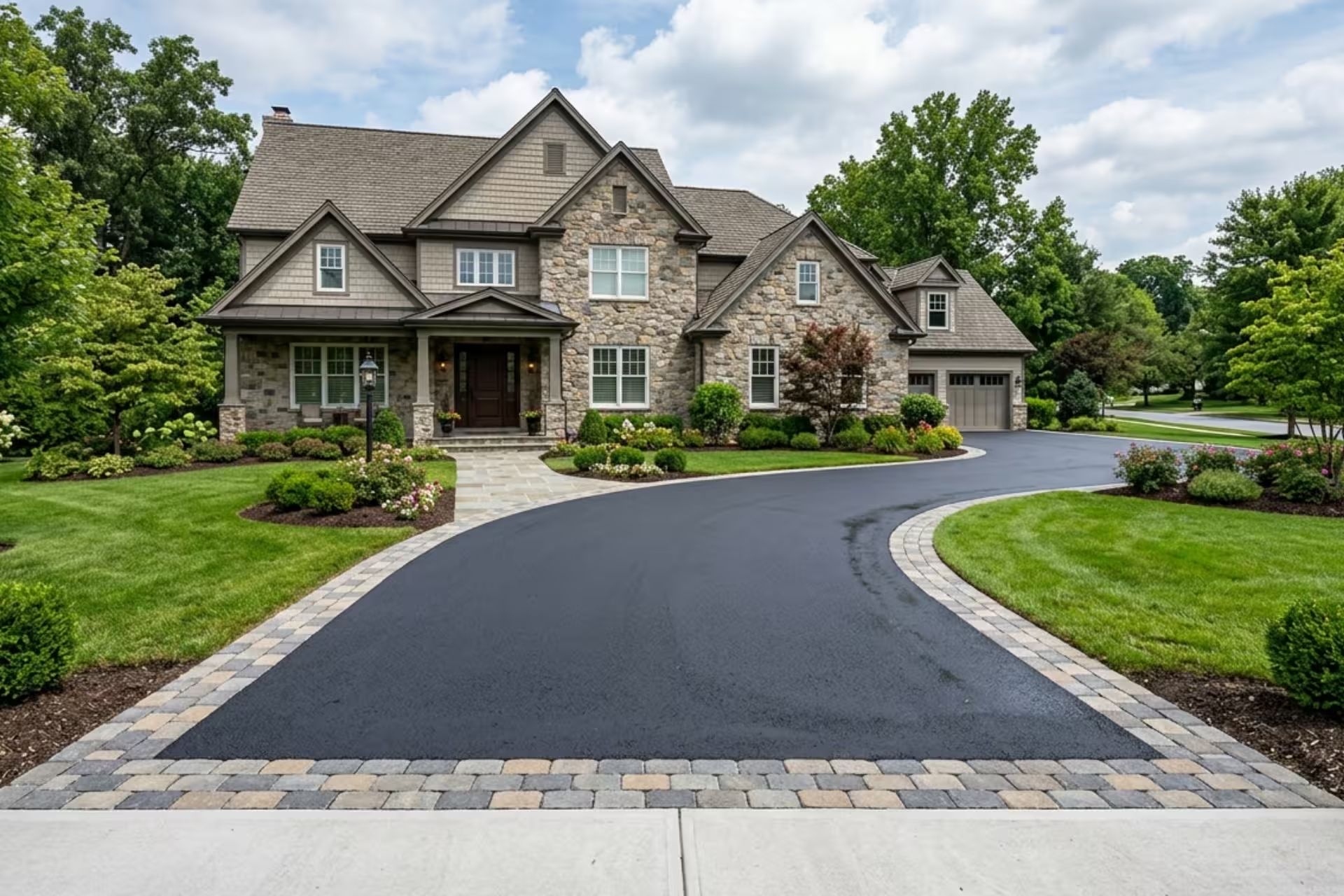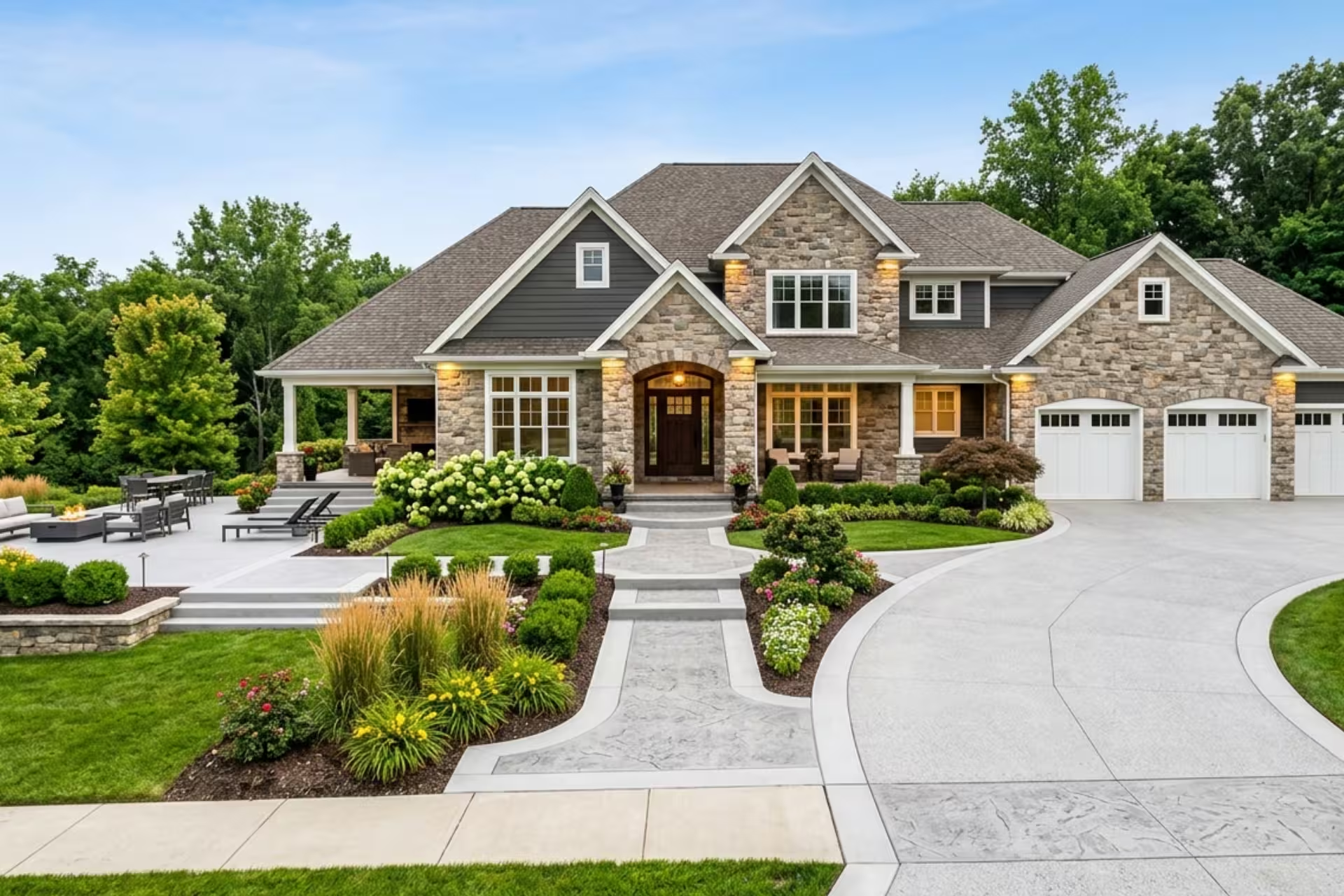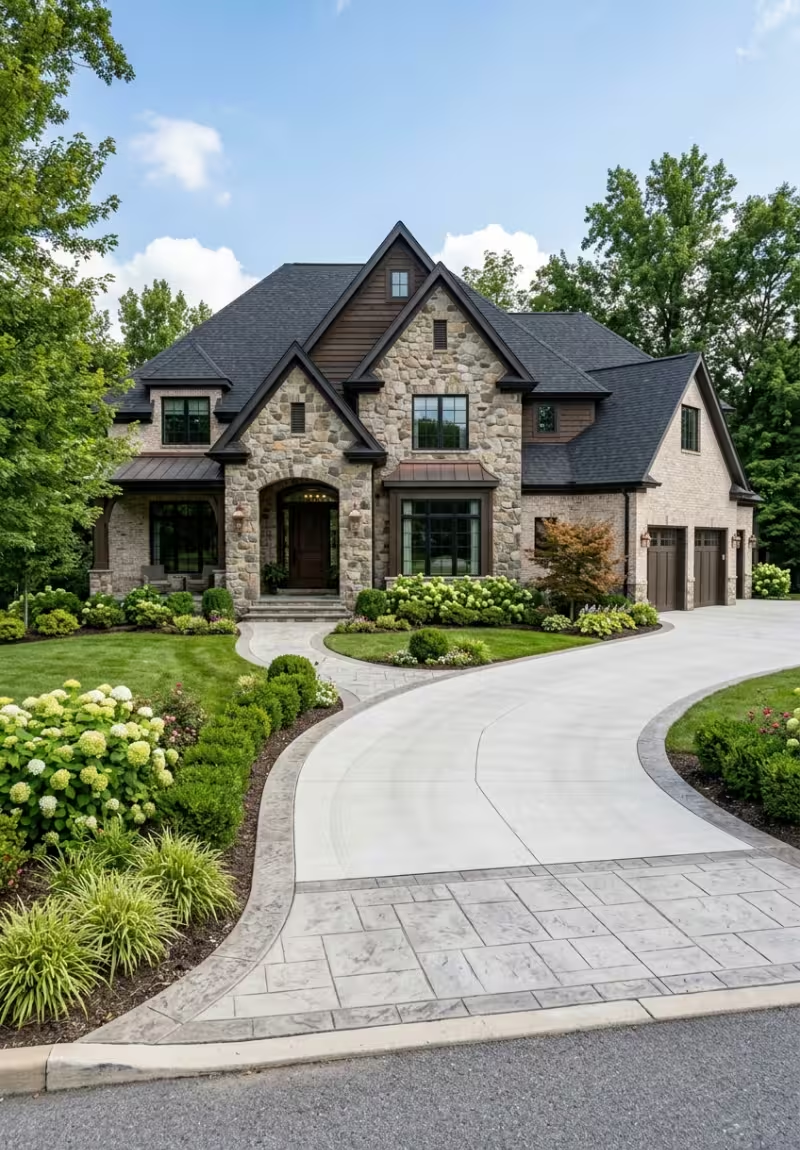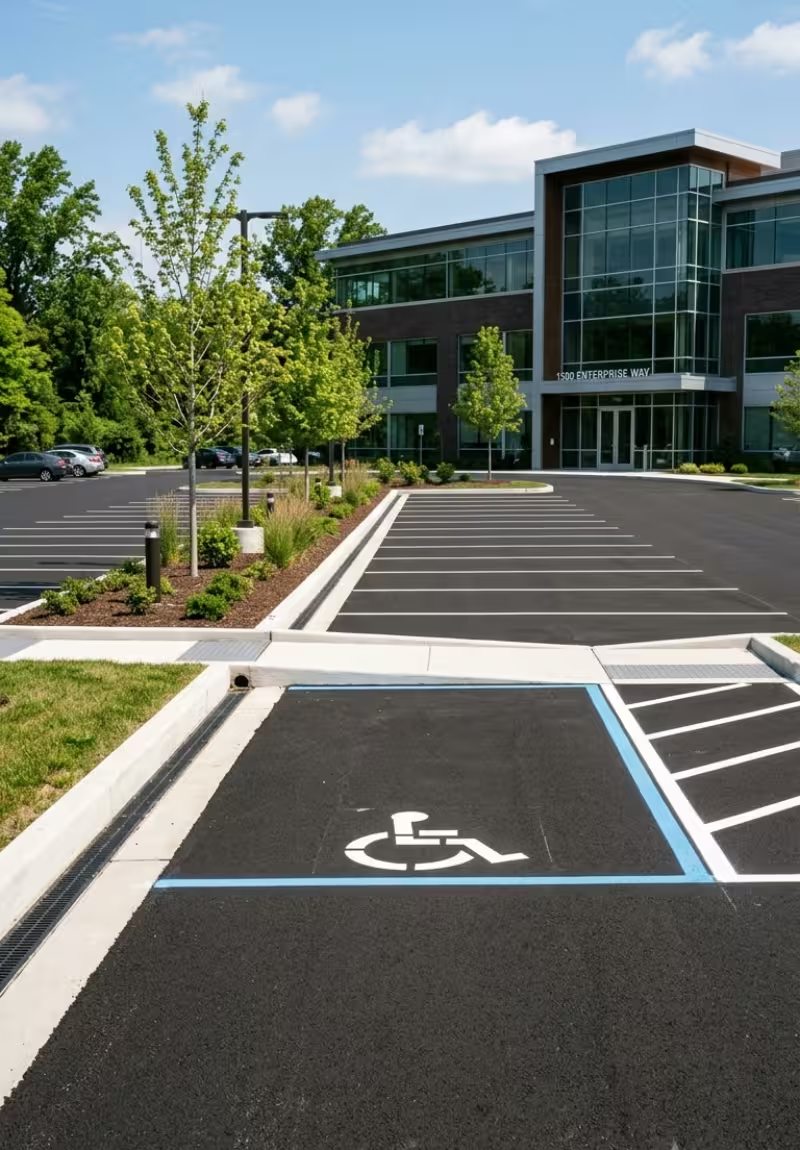
An asphalt driveway can provide a smooth, practical, and attractive surface for residential vehicle access. It is widely used for short suburban driveways, long private lanes, shared entrances, turnaround areas, and additional home parking spaces.
The main benefits of an asphalt driveway include:
- A comparatively affordable initial installation
- Faster installation than many concrete projects
- A smooth, continuous driving surface
- Practical repairs for localized damage
- The possibility of future resurfacing
- Reliable cold-weather performance
- Suitability for long or irregular driveways
- A uniform blacktop appearance
- Straightforward preventive maintenance
These advantages depend on correct installation. Excavation, aggregate-base preparation, grading, drainage, asphalt thickness, compaction, and edge support all influence the driveway’s long-term performance.
American Paving & Concrete provides professional driveway paving, repair, resurfacing, and maintenance throughout Bucks, Montgomery, and Lehigh counties.
1. Asphalt Can Offer a Lower Initial Cost
One of asphalt’s most recognized advantages is its comparatively affordable installation cost.
Asphalt frequently costs less initially than a comparable concrete driveway, particularly when paving:
- Long residential driveways
- Wide parking areas
- Private lanes
- Shared access routes
- Turnaround areas
- Multi-vehicle parking spaces
The actual price depends on much more than surface area. Excavation, unstable soil, aggregate requirements, drainage, pavement thickness, access, and removal of an existing driveway can significantly affect the estimate.
A lower initial price does not justify reducing base preparation or material thickness. Those underlying components support the finished asphalt and influence how it performs under traffic.
2. Asphalt Installation Can Be Relatively Fast
An asphalt driveway can often be installed faster than a concrete driveway of comparable size.
The installation process may include:
- Inspecting and measuring the property
- Removing unsuitable material or old pavement
- Excavating to the required depth
- Installing and compacting aggregate
- Establishing the correct grade
- Placing hot-mix asphalt
- Compacting the finished surface
- Finishing edges and transitions
- Allowing the pavement to cool and set
The schedule depends on driveway size, site preparation, drainage requirements, weather, equipment access, and pavement design.
Asphalt can generally be opened sooner than concrete, although the contractor’s instructions should always determine when vehicles can return.
3. Asphalt Creates a Smooth Driving Surface
Properly installed asphalt forms a continuous surface without the regularly spaced control joints found in concrete.
A smooth driveway can provide:
- Comfortable vehicle access
- Defined home parking
- Easier movement for bicycles
- A practical surface for carts and equipment
- A consistent transition toward the garage
- Improved appearance compared with loose gravel
- Less loose stone around the property
Surface smoothness depends on proper grading, placement, and compaction. A new layer installed over an unstable base will not remain smooth if the material underneath settles or moves.
4. Asphalt Is Suitable for Long Driveways
Asphalt is often a practical choice for large or elongated areas because it can be installed continuously and may have a lower initial cost than concrete.
It can be used for:
- Long residential driveways
- Rural access lanes
- Curved entrances
- Shared driveways
- Larger parking areas
- Sloped approaches
- Turnaround areas
- Driveway extensions
Long driveways require particular attention to water movement. The grade should prevent runoff from traveling along the pavement, collecting in low areas, or eroding unsupported edges.
A professional asphalt installation assessment should consider the property’s full length, slope, soil, drainage, and vehicle requirements.
5. Asphalt Performs Well in Cold Climates
Pennsylvania driveways experience freezing temperatures, snow, ice, road salt, and repeated freeze-and-thaw cycles.
Asphalt is slightly flexible compared with rigid concrete. This flexibility can help it respond to modest temperature-related movement, although it does not make the pavement immune to cracking or settlement.
Cold-weather performance still depends on:
- Stable soil
- Proper aggregate depth
- Thorough base compaction
- Effective drainage
- Correct asphalt thickness
- Quality installation
- Timely crack maintenance
- Appropriate snow removal
Water that enters open cracks can freeze and contribute to further deterioration. Preventive maintenance remains important regardless of the pavement material.
6. Asphalt Repairs Can Be Practical
Localized asphalt damage can often be repaired without reconstructing the entire driveway.
Possible repair methods include:
- Crack filling
- Pothole patching
- Surface patching
- Full-depth patching
- Edge repair
- Low-area correction
- Garage-transition repair
- Drainage-related repair
- Failed-section replacement
The correct method depends on the depth and cause of the failure.
For example, surface patching may be appropriate when damage is shallow and the base remains stable. Full-depth asphalt repair may be necessary when deterioration extends into the supporting material.
7. Asphalt Can Be Resurfaced
Resurfacing is one of asphalt’s most useful long-term advantages.
Asphalt resurfacing involves preparing the existing driveway and installing a new asphalt layer over it. It may restore the surface without requiring complete reconstruction.
Resurfacing may be appropriate when:
- The supporting base remains stable
- The driveway is generally level
- Surface wear is widespread
- Cracking is moderate
- Potholes are limited and repairable
- Drainage remains functional
- Failed areas can be repaired first
It is not a suitable solution for severe settlement, widespread alligator cracking, significant drainage failure, or an unstable base.
A professional inspection should determine whether repair, resurfacing, or replacement provides the most appropriate solution.
8. Asphalt Has a Uniform Appearance
A new asphalt driveway provides a dark, consistent surface that can complement many residential properties.
It may improve:
- Curb appeal
- The definition of the driveway
- The appearance of parking areas
- Transitions between the road and garage
- Contrast with lawns and landscaping
- The presentation of the home entrance
Asphalt gradually fades as it oxidizes and is exposed to sunlight. This change is normal, but rapid deterioration, loose aggregate, cracking, or surface breakup should be inspected.
9. Asphalt Can Be Maintained Over Time
An asphalt driveway benefits from a planned maintenance program.
Maintenance may include:
- Periodic inspections
- Removing leaves and debris
- Treating eligible cracks
- Repairing potholes
- Checking drainage
- Protecting pavement edges
- Cleaning fluid spills
- Applying sealcoating when appropriate
- Planning future resurfacing
Timely asphalt maintenance can help identify localized problems before they spread into larger failed sections.
Maintenance does not prevent every form of deterioration, but it can support the useful life and appearance of structurally sound pavement.
10. Asphalt Can Be Sealcoated
Sealcoating applies a protective coating over eligible asphalt.
A properly timed application may help:
- Reduce direct ultraviolet exposure
- Limit surface oxidation
- Reduce moisture exposure
- Protect against road salt
- Improve the driveway’s appearance
- Restore a darker surface color
- Support a maintenance plan
Sealcoating does not repair potholes, alligator cracking, settlement, or base failure. Damaged areas should be treated first.
New asphalt should not be sealcoated immediately. It needs sufficient time to cure before a coating is considered.
Learn more about professional sealcoating.
11. Asphalt Works Well with Concrete Features
A property does not necessarily need to use only one paving material.
Asphalt may be installed for the main driveway while concrete is used for:
- Garage aprons
- Walkways
- Steps
- Entrance pads
- Drainage channels
- Heavily loaded sections
- Decorative areas
This combination can provide a practical balance between asphalt’s large-area efficiency and concrete’s rigid construction.
Transitions between materials should be designed to account for elevation, drainage, movement, and edge support.
12. Gravel Driveways Can Be Converted to Asphalt
Converting a gravel driveway to asphalt may provide:
- Smoother vehicle access
- Less loose stone
- Reduced dust
- More defined parking
- Easier snow removal
- A consistent entrance
- Improved curb appeal
The existing gravel cannot automatically be assumed to be a suitable asphalt base.
Before paving, the contractor should evaluate:
- Aggregate depth
- Material stability
- Compaction
- Drainage
- Surface grade
- Soft areas
- Soil conditions
- Driveway edges
Additional excavation or aggregate may be required before asphalt can be installed.
Asphalt Driveway Limitations to Consider
An accurate comparison should include asphalt’s limitations as well as its advantages.
Potential considerations include:
- Asphalt requires periodic maintenance
- The surface gradually fades
- Cracks may develop
- Vehicle fluids can damage or stain it
- Unsupported edges may break
- Heavy stationary loads can leave impressions
- Hot weather can temporarily soften new pavement
- Sealcoating may be recommended periodically
- Decorative options are more limited than concrete
- Poor installation can lead to early failure
Asphalt is not automatically the best material for every property. Driveway length, appearance preferences, budget, soil, drainage, vehicle use, and desired maintenance level should all influence the decision.
Asphalt Versus Concrete Driveways
Both materials can provide reliable residential access when properly designed and installed.
Asphalt may offer:
- Lower initial cost
- Faster installation
- Earlier return to vehicle use
- Easier localized repairs
- Future resurfacing potential
- Practical coverage of long driveways
- A smooth blacktop appearance
Concrete may offer:
- A rigid surface
- A lighter appearance
- Decorative finishes
- Defined control joints
- Lower demand for asphalt-style surface treatments
- Compatibility with concrete patios and walkways
Concrete usually costs more initially and requires a longer curing period. It can also crack, settle, scale, or become uneven when the base, drainage, joints, or installation are inadequate.
Neither material eliminates the need for proper site preparation.
How Long Does an Asphalt Driveway Last?
There is no single lifespan that applies to every driveway.
Performance depends on:
- Soil stability
- Aggregate-base preparation
- Asphalt thickness
- Compaction
- Drainage
- Climate
- Vehicle weight
- Traffic frequency
- Edge support
- Installation quality
- Maintenance
- Utility work
- Tree-root activity
A lightly used driveway with effective drainage may perform differently from a steep driveway regularly used by heavy trucks.
Be cautious of contractors offering a universal lifespan without inspecting the property.
What Makes an Asphalt Driveway Fail Early?
Premature failure is often related to conditions underneath or around the pavement.
Common causes include:
- Insufficient excavation
- Weak or contaminated soil
- Inadequate aggregate depth
- Poor compaction
- Incorrect grading
- Standing water
- Improper asphalt thickness
- Heavy vehicles
- Unsupported edges
- Tree roots
- Poor-quality repairs
- Paving over unstable material
A smooth new surface cannot compensate for an unstable foundation.
When Should Asphalt Be Repaired or Replaced?
Repair may be appropriate when:
- Cracks are limited
- Potholes are localized
- Settlement affects a small area
- The surrounding pavement remains stable
- Edge damage is confined
- The base failure is limited
Resurfacing may be appropriate when:
- The base remains stable
- Surface wear is widespread
- The driveway remains generally level
- Drainage functions correctly
- Failed areas can be repaired first
Replacement may be necessary when:
- Alligator cracking is widespread
- Potholes repeatedly return
- Large areas have settled
- Asphalt is breaking apart
- The base is unstable
- Drainage problems affect extensive sections
- Previous repairs continue failing
The driveway should be evaluated as a complete pavement system before work is recommended.
Is an Asphalt Driveway Worth It?
An asphalt driveway may be worthwhile when a homeowner wants:
- A smooth driving and parking surface
- A lower initial cost than comparable concrete
- Efficient installation
- Practical repair options
- Future resurfacing potential
- A uniform blacktop appearance
- A suitable material for a long driveway
It may be less suitable when the homeowner prioritizes decorative finishes, a light-colored surface, or minimal routine surface maintenance.
The correct choice depends on the property and the owner’s long-term priorities.
Request an Asphalt Driveway Estimate
American Paving & Concrete provides residential asphalt installation, replacement, repair, resurfacing, and maintenance throughout Bucks, Montgomery, and Lehigh counties.
We can evaluate your driveway’s dimensions, slope, soil, drainage, existing surface, and anticipated vehicle use before recommending a solution.
Call: (610) 477-3553
Email: info@americanpavingandconcrete.com
Address: 2114 Dublin Pike, Quakertown, PA 18951
Online: Request a free estimate