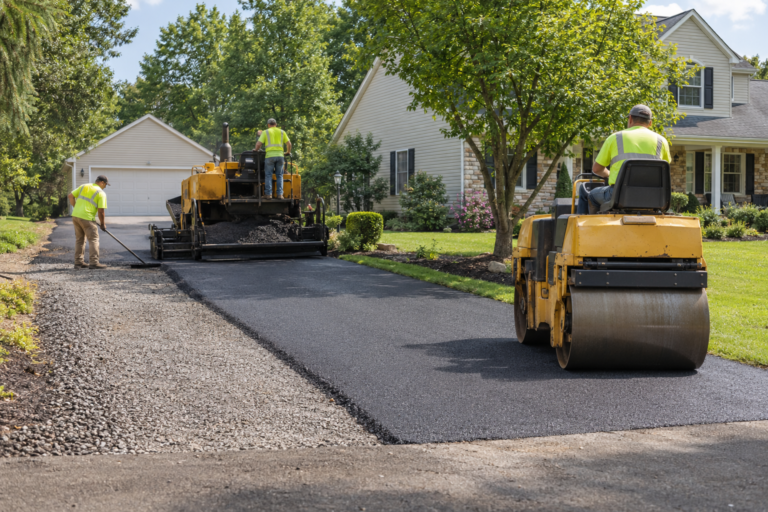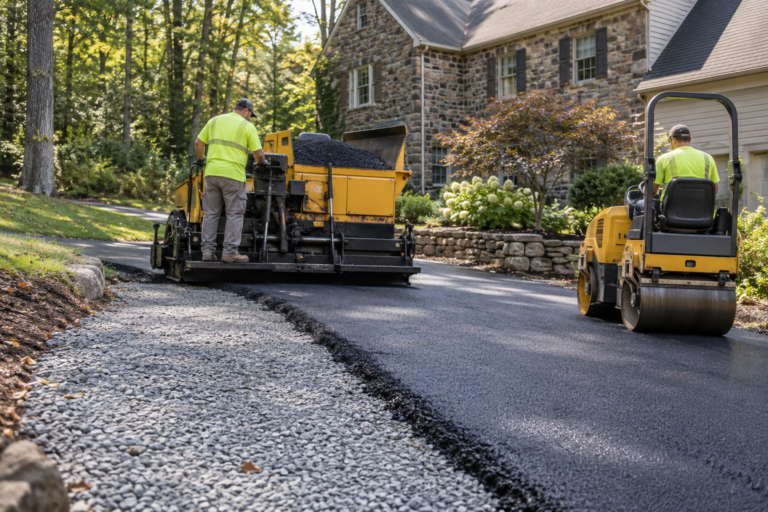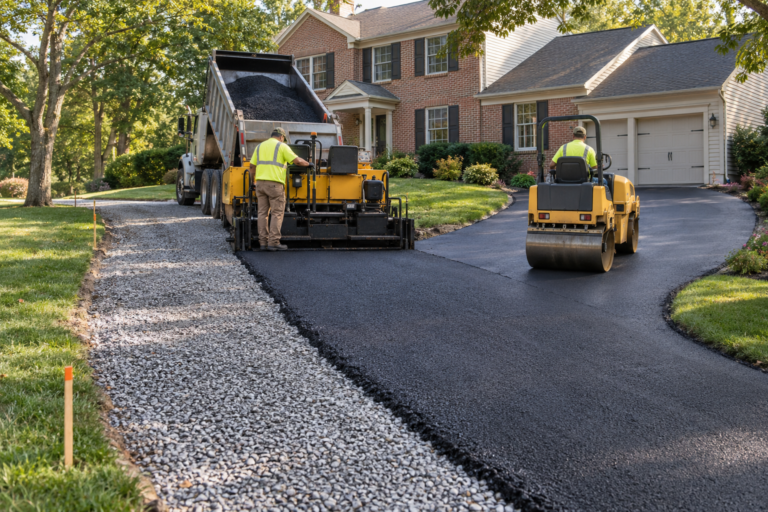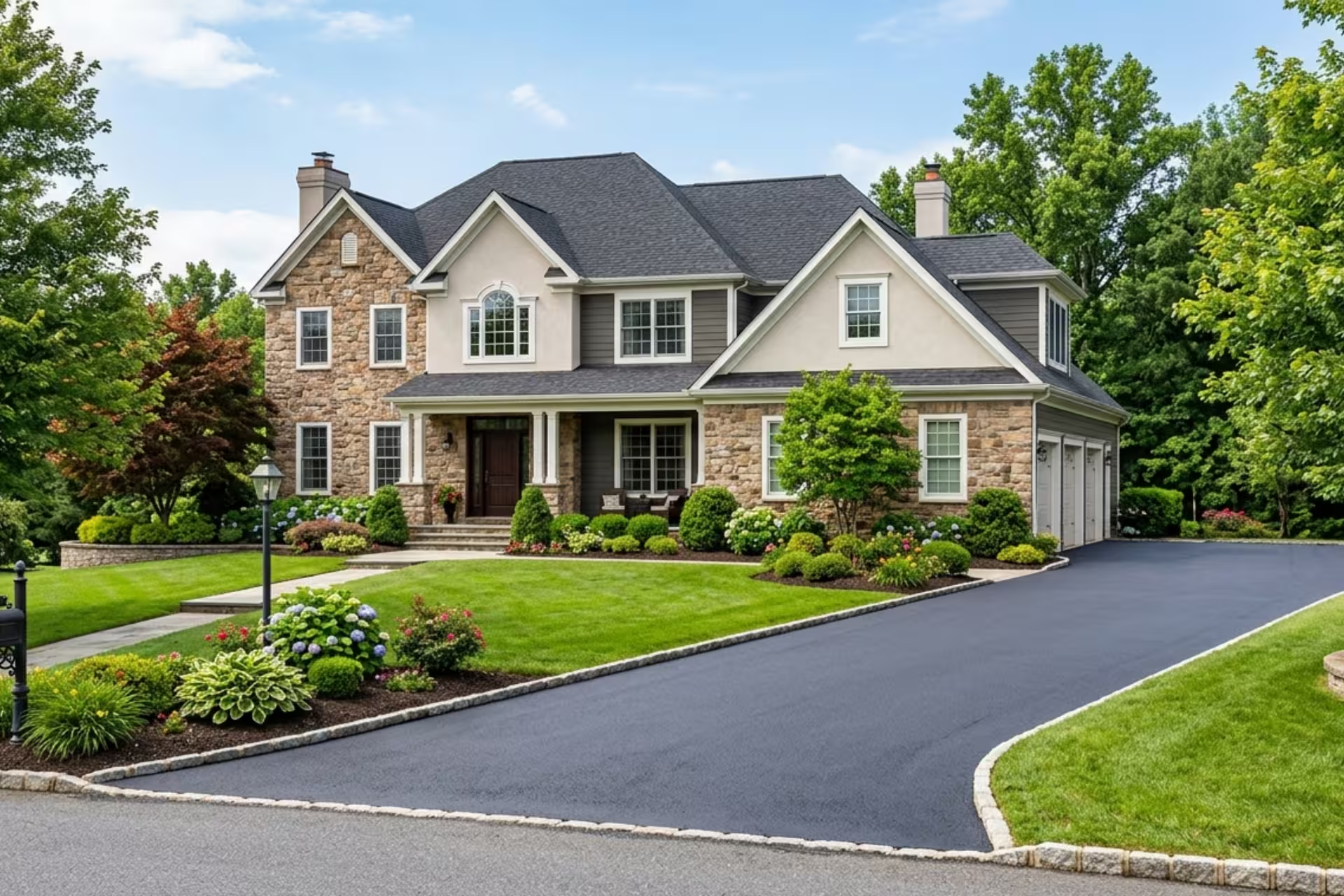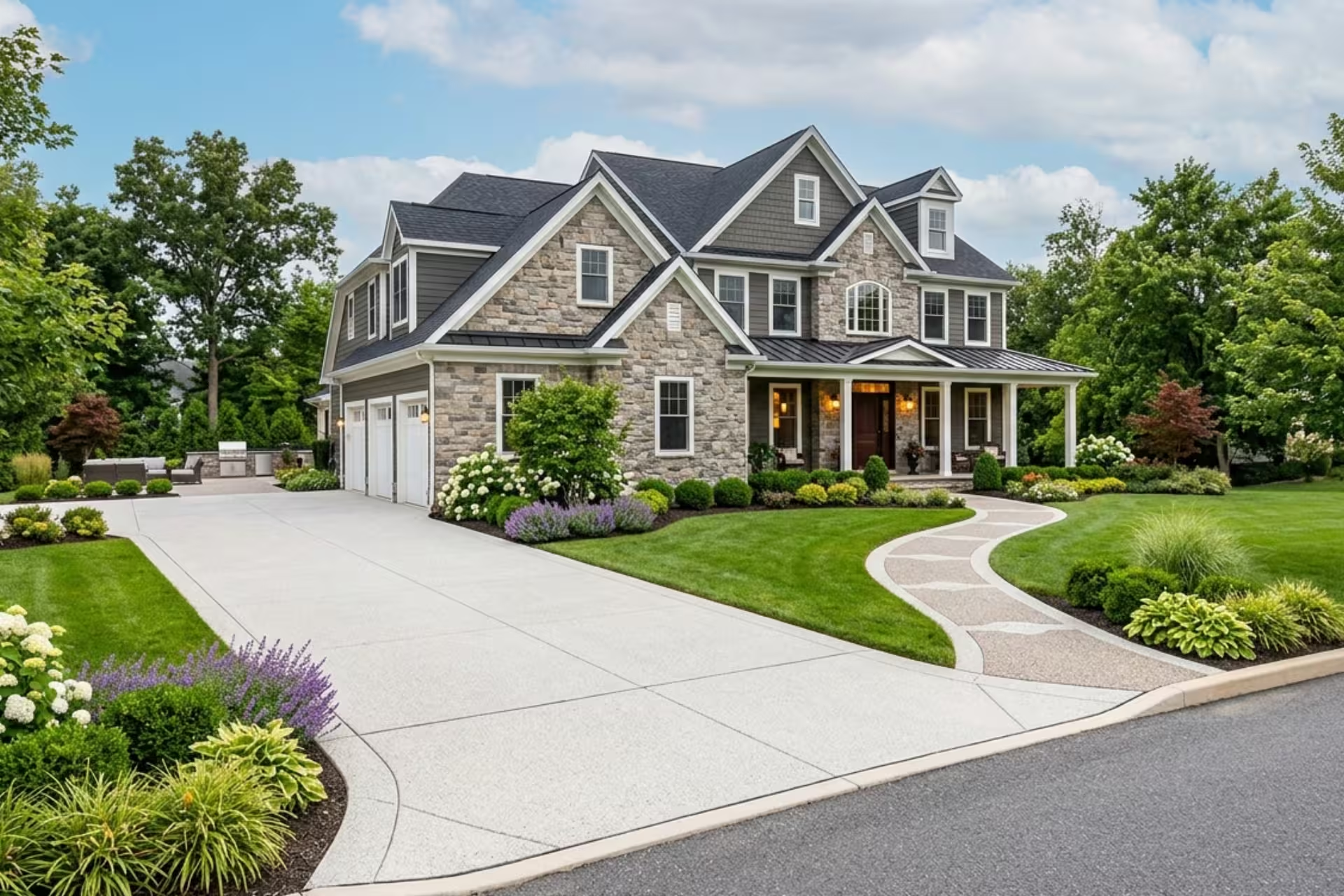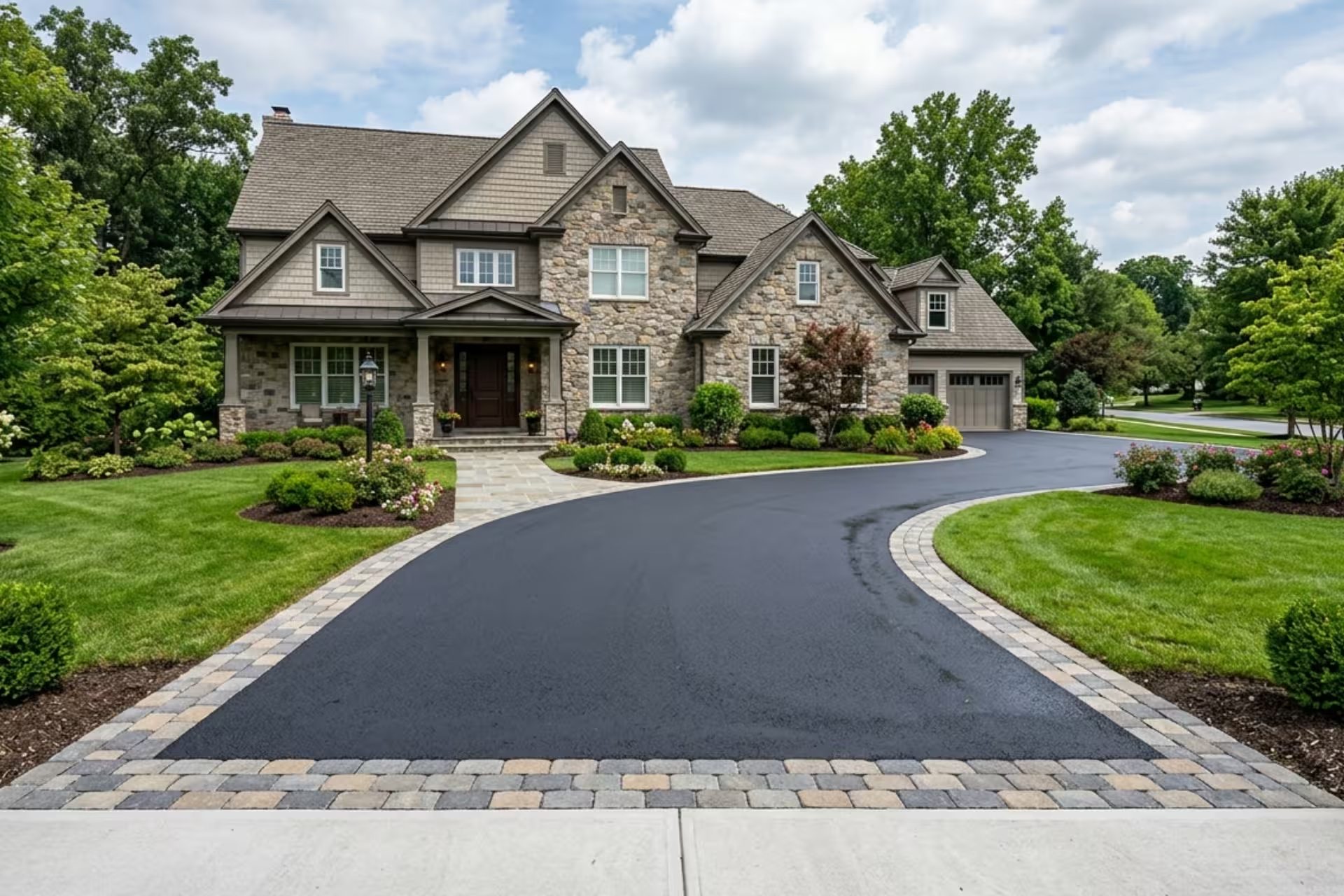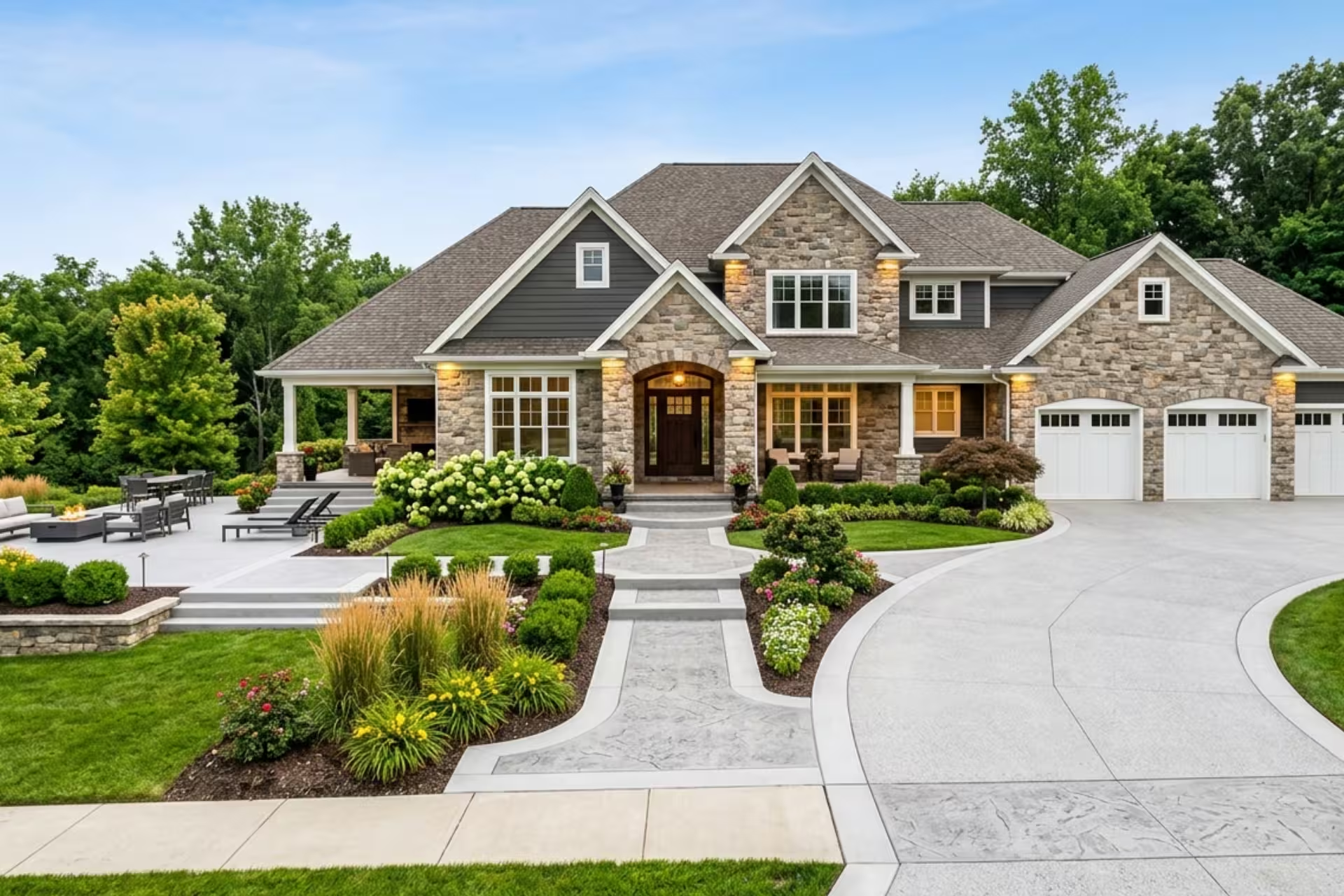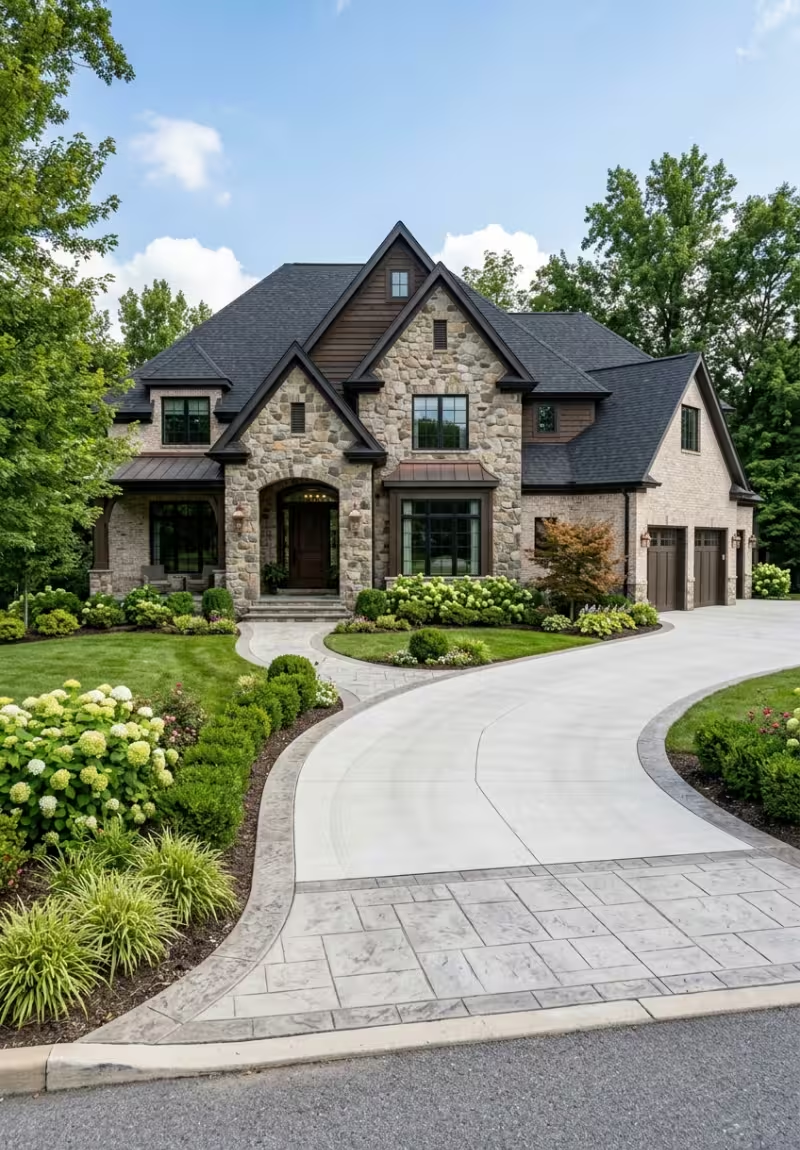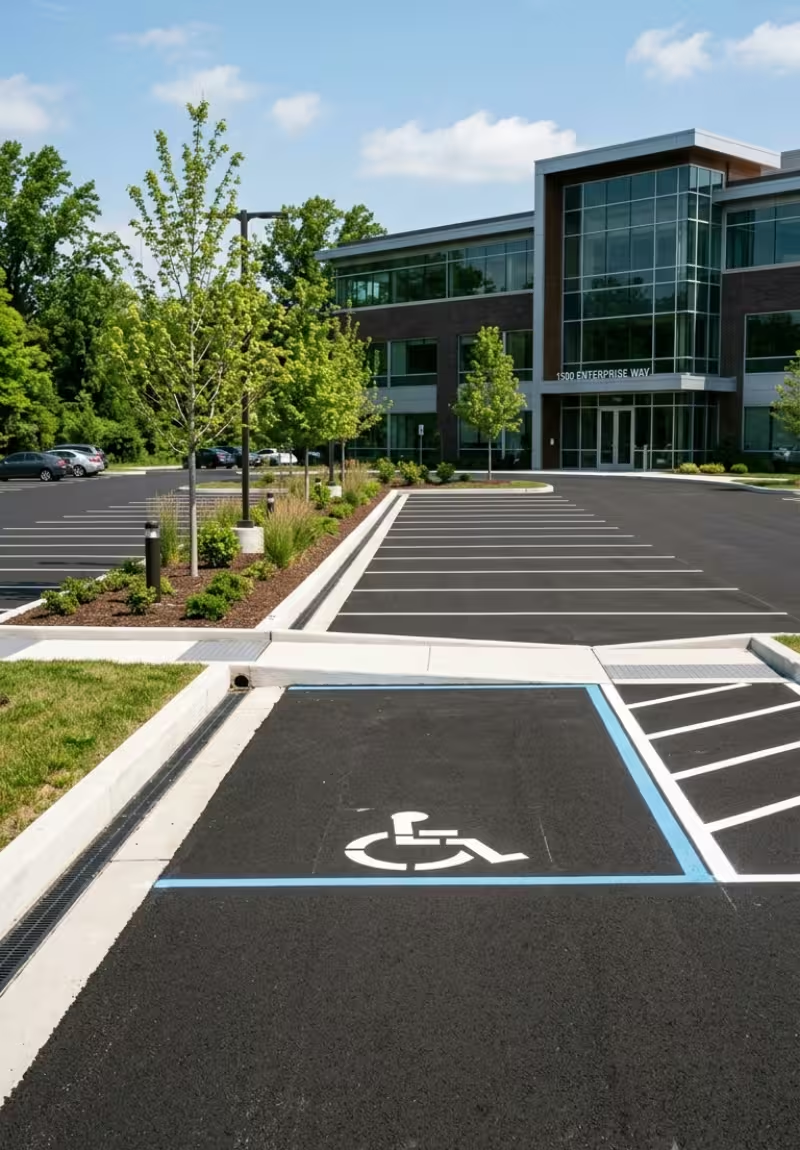
Sealcoating is a preventive asphalt-maintenance treatment that applies a protective liquid coating over an existing paved surface.
After it dries and cures, the coating creates a more uniform protective layer that can help reduce direct exposure to:
- Ultraviolet sunlight
- Surface oxidation
- Rain and moisture
- Road salt
- Gasoline and oil residue
- Seasonal weather
- Everyday surface wear
Sealcoating can also restore the darker appearance of faded asphalt. However, it does not install a new asphalt layer, rebuild the supporting base or repair serious structural deterioration.
American Paving & Concrete provides professional sealcoating for eligible residential driveways, commercial parking lots and private paved surfaces throughout Bucks, Montgomery and Lehigh counties.
What Is Sealcoat Made From?
Sealcoat products vary by manufacturer and intended application. A formulated coating may contain:
- Asphalt or refined binder
- Water
- Mineral fillers
- Sand or aggregate additives
- Polymers
- Performance additives
The exact composition and application requirements depend on the selected product.
Contractors should follow the manufacturer’s instructions regarding:
- Surface condition
- Mixing
- Application rate
- Number of coats
- Temperature
- Drying time
- Curing
- Traffic reopening
A product should be selected for the pavement’s condition, use and applicable local requirements.
How Does Sealcoating Work?
As asphalt ages, sunlight and oxygen affect the binder near its surface. The pavement may gradually change from dark black to gray and become drier or more brittle.
Sealcoating places a protective coating over that exposed surface. It may help slow further weathering by reducing direct contact with sunlight and moisture.
The treatment does not penetrate deeply enough to restore a failed pavement structure. Its role is surface protection for asphalt that remains stable enough to maintain.
Sealcoating works best as one component of a broader asphalt maintenance plan.
What Are the Benefits of Sealcoating?
A properly timed and prepared application may provide several benefits.
Reduced surface oxidation
The coating helps limit direct exposure of the asphalt surface to oxygen and ultraviolet sunlight.
Moisture protection
Sealcoating can help reduce direct surface exposure to rain, snow and melting ice. Cracks must still be treated separately because water can enter through openings.
Protection from road salt
Pennsylvania pavement is regularly exposed to road salt and deicing materials. A protective coating can help reduce direct contact with the asphalt surface.
Improved appearance
Sealcoating restores a dark, uniform finish that can improve the appearance of residential and commercial properties.
Easier surface cleaning
A more consistent surface may be easier to sweep and maintain than dry, oxidized pavement.
Support for future maintenance
Sealcoating can form part of a planned program that includes inspection, crack treatment, pothole repair, drainage maintenance and resurfacing planning.
The result depends on surface condition, preparation, application quality, product selection and curing weather.
What Sealcoating Cannot Do
Sealcoating should not be presented as a repair for serious pavement damage.
It cannot correct:
- Potholes
- Alligator cracking
- Base failure
- Severe settlement
- Large depressions
- Unstable asphalt
- Widespread surface breakup
- Drainage problems
- Broken pavement edges
- Failed utility cuts
- Deep structural cracks
Applying a dark coating may temporarily conceal some visible deterioration, but the cause of the damage remains.
Potholes and failed areas should receive professional asphalt repair before sealcoat is applied.
Sealcoating Versus Crack Filling
Sealcoating and crack filling perform different functions.
Crack filling
Crack treatment addresses eligible openings in the pavement. It helps limit water entry through individual cracks.
Sealcoating
Sealcoating covers the broader asphalt surface to reduce exposure to sunlight, oxidation, moisture and weather.
Sealcoat is not intended to fill large or active cracks. Cracks should be cleaned, evaluated and treated before the overall coating is installed.
Widespread interconnected or alligator cracking may indicate structural failure that requires more than crack filling.
Sealcoating Versus Asphalt Resurfacing
Sealcoating and resurfacing are also different services.
Sealcoating:
- Applies a protective surface coating
- Does not add a structural asphalt layer
- Is intended for stable pavement
- Can restore a darker appearance
- Supports preventive maintenance
Asphalt resurfacing:
- Installs a new asphalt layer
- Requires preparation of the existing pavement
- May address widespread surface wear
- Can improve smoothness and profile
- Is appropriate only when the supporting base remains stable
Resurfacing may be more appropriate when pavement needs more than surface protection but does not require complete reconstruction.
Sealcoating Versus Asphalt Replacement
Complete replacement may be necessary when pavement has:
- Extensive alligator cracking
- Multiple recurring potholes
- Severe settlement
- Large soft areas
- Widespread base failure
- Major drainage problems
- Asphalt breaking apart
- Repairs that repeatedly fail
Replacement removes the failed pavement so the supporting material, grade and drainage can be corrected before new asphalt is installed.
Sealcoating cannot delay the need for replacement when the pavement structure has already failed.
Which Surfaces Can Be Sealcoated?
Sealcoating is designed for eligible asphalt surfaces.
Common applications include:
- Residential asphalt driveways
- Commercial parking lots
- Private roads
- Shared driveways
- Apartment parking areas
- Church parking lots
- Office properties
- Retail parking areas
- Drive aisles
- Residential parking spaces
- Access lanes
It should not be used as asphalt sealcoat on concrete, gravel, pavers or unstable pavement.
Residential property owners can also review professional driveway paving options when an existing surface needs reconstruction instead of coating.
Signs Asphalt May Be Ready for Sealcoating
Possible indicators include:
- The surface has faded from black to gray
- Asphalt looks dry or weathered
- Fine aggregate is becoming more visible
- A previous coating has worn evenly
- Minor cracks have been treated
- Potholes have been repaired
- The pavement remains structurally stable
- Drainage is functioning
- The surface is not crumbling
- The asphalt has cured sufficiently
These signs do not automatically confirm eligibility. A contractor should inspect the pavement before recommending treatment.
When Asphalt Should Not Be Sealcoated
Sealcoating should normally be postponed when pavement has:
- Active potholes
- Loose aggregate
- Soft areas
- Severe depressions
- Widespread alligator cracking
- Untreated structural cracks
- Broken edges
- Standing water
- Unresolved drainage failures
- Significant settlement
- Extensive surface breakup
- Fresh asphalt that has not cured
Repairing the surface first supports a more uniform application and prevents serious deterioration from simply being covered.
How Is Sealcoating Applied?
A professional project typically follows several stages.
1. Pavement inspection
The contractor examines the surface, cracks, potholes, edges, drainage, contamination and previous coatings.
2. Cleaning
Dirt, leaves, loose aggregate and other debris are removed. Vegetation may need to be cut back from the edges.
3. Stain treatment
Oil or fuel contamination may require specific cleaning or treatment. Severe contamination can interfere with adhesion.
4. Asphalt repairs
Eligible cracks, potholes and failed sections are addressed according to the project scope.
5. Edge preparation
Concrete, walls, drains, curbs and adjoining surfaces may need protection before application.
6. Sealcoat application
The coating is installed according to the product and pavement requirements. Application methods may include squeegee, brush or spray systems.
7. Drying and curing
Vehicles and pedestrians remain off the surface while the coating dries and cures.
8. Reopening
The contractor confirms when normal use can resume. Commercial markings may be reapplied after the surface is ready.
Why Surface Preparation Matters
Sealcoat must bond to the pavement rather than dirt, standing water, vegetation or loose material.
Inadequate preparation can contribute to:
- Uneven coverage
- Poor adhesion
- Peeling
- Flaking
- Tracking
- Premature wear
- Irregular appearance
- Contaminated edges
Applying more material cannot compensate for inadequate cleaning or unresolved pavement failure.
One Coat or Multiple Coats?
The appropriate application depends on:
- Pavement condition
- Residential or commercial use
- Traffic volume
- Previous coating
- Product specifications
- Application method
- Surface texture
A residential driveway may have different requirements from a busy commercial parking lot.
More coating is not necessarily better. Excessive material or repeated applications can create buildup and bonding problems.
How Often Should Asphalt Be Sealcoated?
Many eligible surfaces are evaluated approximately every two to three years, but no interval applies universally.
Timing depends on:
- Pavement age
- Traffic
- Vehicle weight
- Sunlight
- Drainage
- Climate
- Previous coatings
- Snow-removal activity
- Road salt
- Surface condition
Annual application is generally unnecessary for many normally performing surfaces.
For a detailed scheduling guide, see how often asphalt should be sealcoated.
When Can New Asphalt Be Sealcoated?
Fresh asphalt should not be coated immediately after installation. It needs time to cure and release oils from the newly placed pavement.
New asphalt is often evaluated after approximately six to twelve months. The actual waiting period depends on:
- Asphalt mixture
- Installation season
- Weather
- Traffic
- Sun exposure
- Surface condition
- Pavement thickness
- Coating requirements
Readiness should be determined by inspection rather than a calendar date alone.
What Weather Is Required?
Sealcoating requires suitable conditions before, during and after application.
Important factors include:
- Air temperature
- Pavement temperature
- Surface dryness
- Humidity
- Rain forecast
- Sun exposure
- Shade
- Wind
- Overnight temperature
- Required curing period
A wet surface, low temperature or approaching rain can interfere with drying and adhesion.
Product-specific requirements should always be followed.
How Long Does Sealcoating Take to Dry?
Drying and curing time depends on:
- Product type
- Temperature
- Humidity
- Sunlight
- Shade
- Air movement
- Application thickness
- Number of coats
- Pavement condition
- Vehicle weight
Many projects require approximately 24 to 48 hours before normal vehicle traffic resumes, but the contractor’s instructions take priority.
Pedestrians may sometimes be allowed back sooner than vehicles.
Residential Driveway Sealcoating
A residential driveway may experience:
- Passenger-vehicle traffic
- Vehicles parked in fixed positions
- Stationary tire turning
- Work trucks
- Trailers
- Snowplows
- Oil leaks
- Unsupported-edge damage
Before coating, the driveway should be evaluated for cracking, potholes, drainage, edge support and contamination.
A smooth dark appearance does not mean underlying failure has been repaired.
Commercial Parking Lot Sealcoating
Commercial lots may be exposed to:
- Customer and employee traffic
- Delivery vehicles
- Waste-removal trucks
- Snow-removal equipment
- Frequent turning and braking
- Oil and fuel
- Loading operations
- Constant sunlight
- Road salt
Professional parking lot paving and maintenance planning should account for access, traffic flow, repairs, curing and restriping.
Larger projects may be completed in phases when the property layout permits.
Parking Lot Restriping After Sealcoating
Sealcoat normally covers existing pavement markings. New markings may be applied after the surface has cured sufficiently.
Restriping may include:
- Parking spaces
- Accessible spaces
- Fire lanes
- Loading zones
- Crosswalks
- Directional arrows
- No-parking areas
- Curb markings
Property owners should confirm that the planned layout satisfies applicable requirements.
Pennsylvania Weather and Sealcoating
Pennsylvania pavement experiences summer sunlight, rain, snow, ice, road salt and freeze-and-thaw cycles.
Sealcoating can help protect an eligible surface, but it cannot prevent damage caused by water entering untreated cracks or an unstable base.
A complete seasonal plan may include:
- Spring pavement inspections
- Crack treatment
- Pothole repairs
- Drainage cleaning
- Edge maintenance
- Sealcoating when appropriate
- Resurfacing planning
Can Sealcoating Be Applied Too Often?
Yes. Applying repeated coatings before previous material has worn sufficiently can cause excessive buildup.
Possible problems include:
- Peeling
- Flaking
- Uneven texture
- Poor bonding
- Tracking
- Extended curing
- Reduced appearance
- Unnecessary expense
Pavement should be inspected before each application rather than coated automatically every year.
What Affects Sealcoating Cost?
Project cost depends on:
- Total square footage
- Pavement condition
- Surface cleaning
- Crack quantity
- Pothole repairs
- Failed-section repair
- Oil-stain treatment
- Number of coats
- Product selection
- Detailed edges
- Property access
- Traffic control
- Project phasing
- Restriping requirements
An on-site inspection provides a more reliable estimate than a generic square-foot price.
Is Sealcoating Worth It?
Sealcoating may be worthwhile when the asphalt remains stable and the goal is to support preventive maintenance and surface appearance.
It may not be appropriate when the pavement has extensive cracking, settlement, potholes or base failure.
The decision should be based on:
- Current pavement condition
- Repair requirements
- Traffic
- Surface age
- Drainage
- Previous treatments
- Long-term property plans
A contractor should explain whether sealcoating, repair, resurfacing or replacement is the appropriate next step.
Request a Sealcoating Estimate
American Paving & Concrete provides residential and commercial sealcoating, asphalt repair and pavement maintenance throughout Bucks, Montgomery and Lehigh counties.
We can inspect your driveway or parking lot and explain whether it is ready for sealcoating or requires repairs first.
Call: (610) 477-3553
Email: info@americanpavingandconcrete.com
Address: 2114 Dublin Pike, Quakertown, PA 18951
Online: Request a free estimate