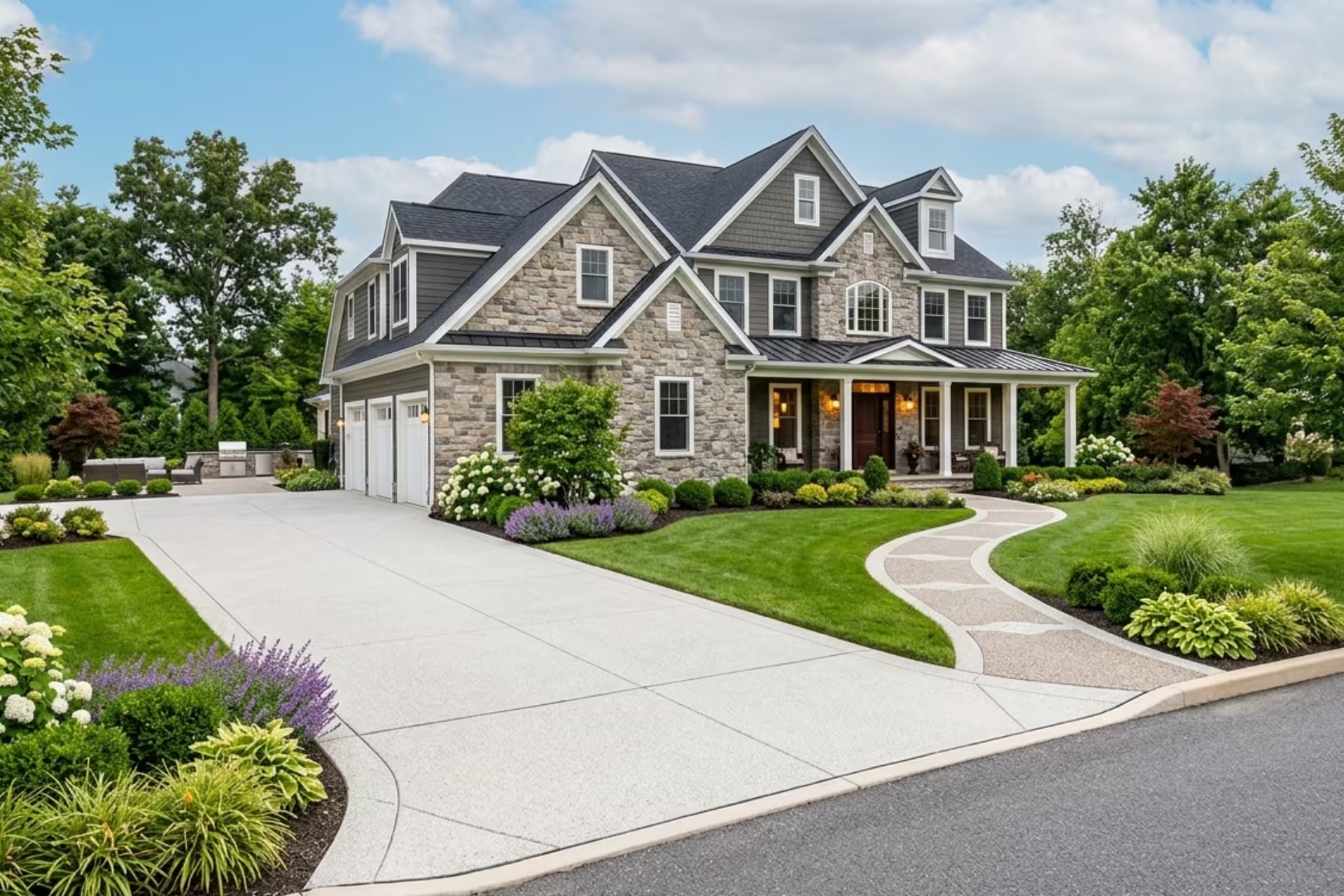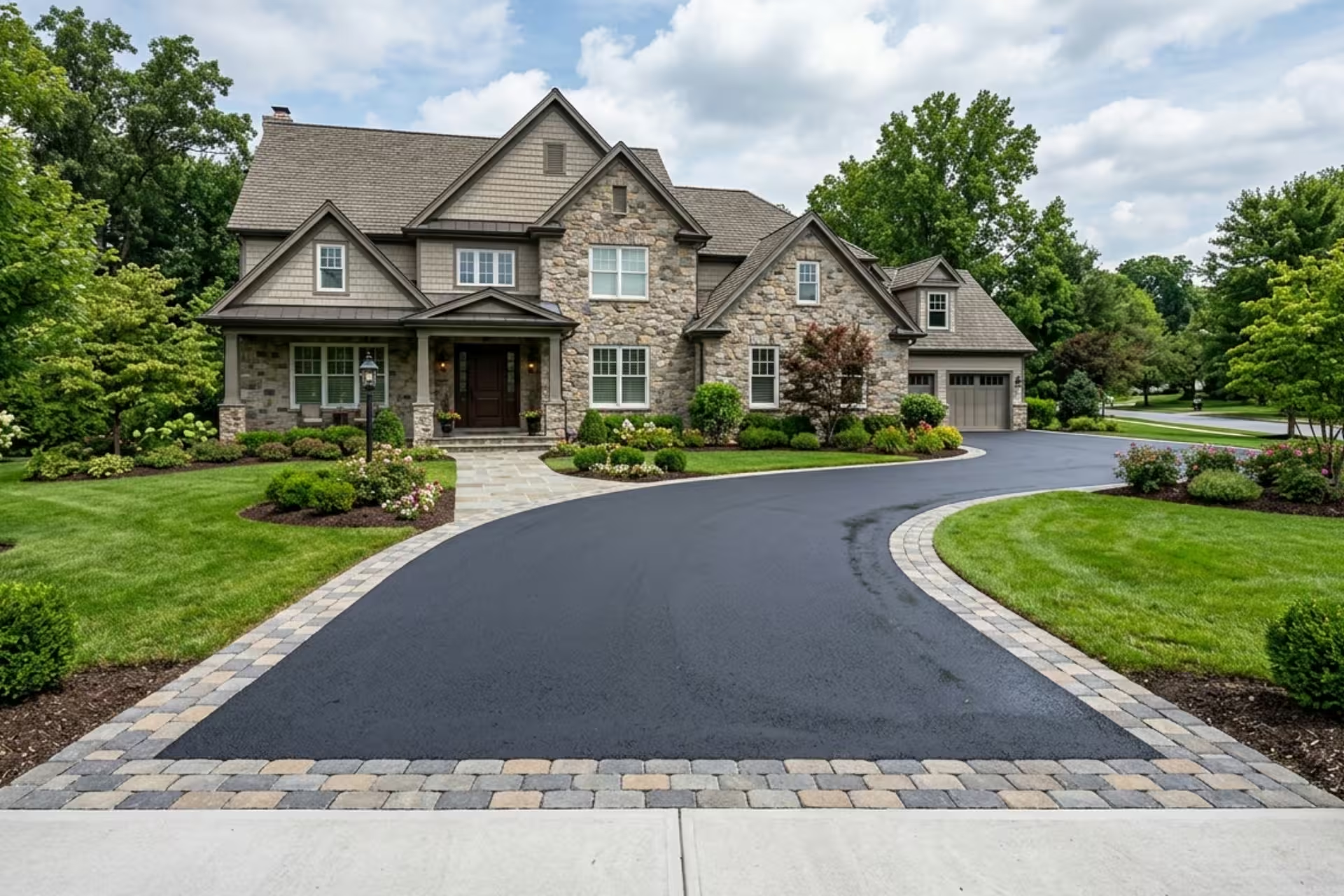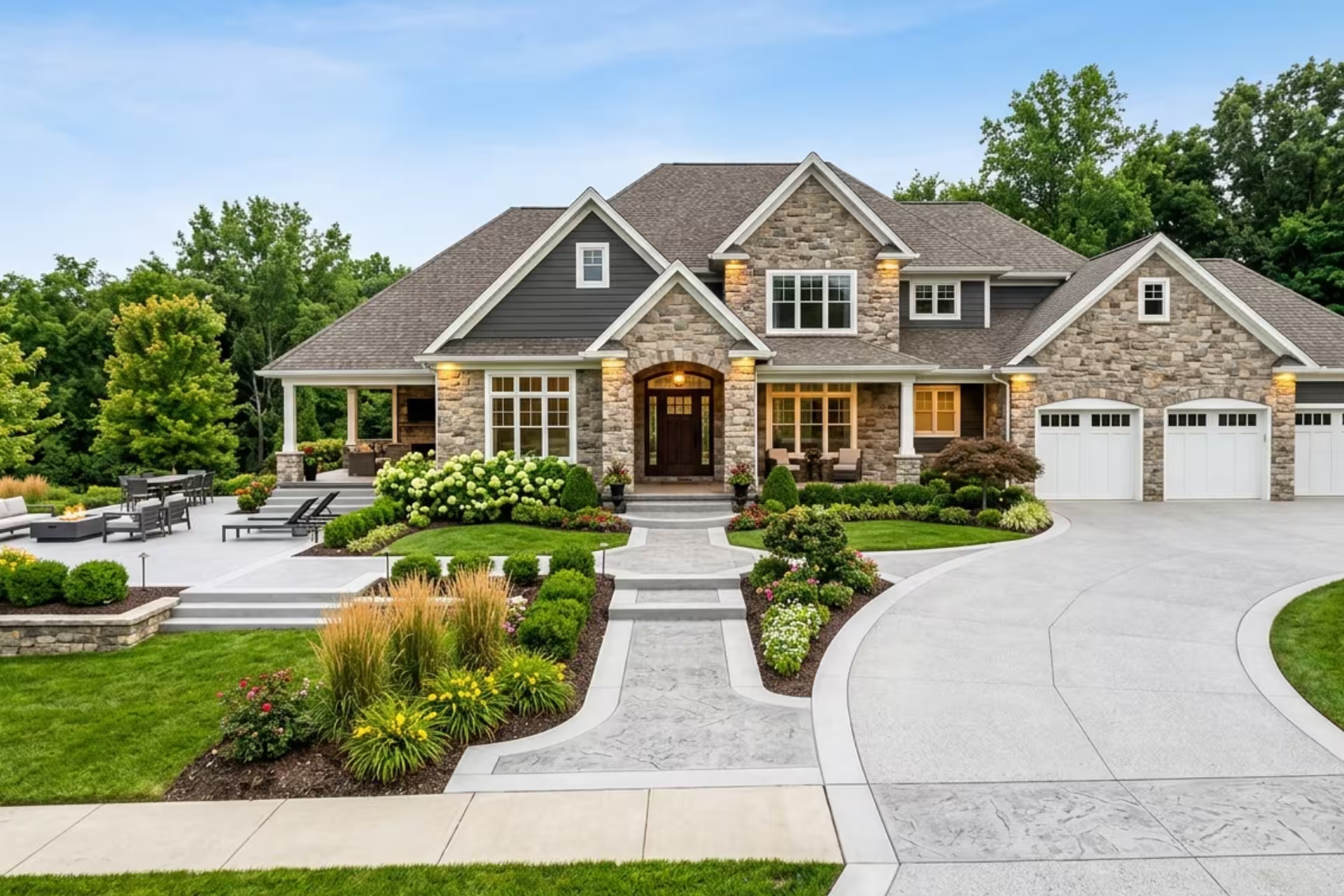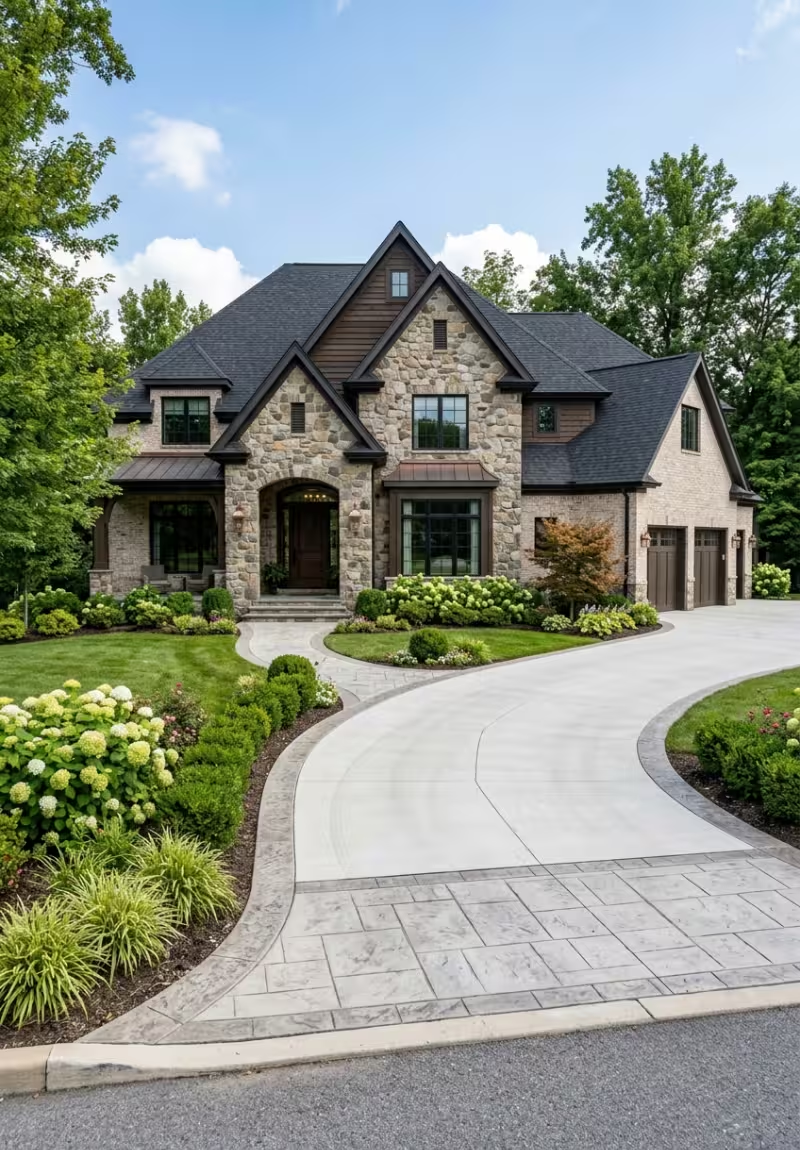
For many homeowners, plain poured concrete is the most practical low-maintenance patio material. It creates a continuous surface with relatively few joints, does not require asphalt-style sealcoating and can usually be maintained through routine cleaning, drainage care and periodic inspection.
Porcelain pavers are another low-maintenance option. They resist moisture and staining well, but their performance depends on correct installation, a stable base and properly maintained joints.
No patio is completely maintenance-free. The best option depends on:
- Property drainage
- Soil stability
- Freeze-thaw exposure
- Desired appearance
- Installation budget
- Joint maintenance
- Stain resistance
- Repair expectations
- Snow and ice management
- Intended patio use
American Paving & Concrete provides professional concrete paving and site preparation for residential and commercial properties throughout its Pennsylvania service area.
Which Patio Material Requires the Least Maintenance?
A plain, professionally installed concrete patio is often the simplest material to maintain over time.
Its advantages include:
- A continuous surface
- Fewer joints than individual pavers
- No joint sand to replenish
- No routine weed growth between units
- Straightforward sweeping and washing
- Compatibility with broom-textured finishes
- No asphalt-style sealcoating
- Defined control joints
- Suitability for many patio shapes
However, concrete must be installed over a stable, properly prepared base. Drainage, slab thickness, reinforcement, joint placement, finishing and curing all affect long-term performance.
Porcelain pavers may require less surface cleaning and absorb little moisture, but the installation system can be more specialized. Individual joints and the supporting base still need attention.
Low-Maintenance Patio Materials Compared
| Patio material | Routine maintenance | Joint maintenance | Stain resistance | Freeze-thaw considerations | Repair considerations |
|---|---|---|---|---|---|
| Plain concrete | Low | Limited to planned joints | Moderate | Correct base, drainage and curing are important | Cracks may be repaired, but color matching can be difficult |
| Porcelain pavers | Low | Joints require inspection | High | Requires a suitable exterior product and installation system | Individual units may be replaceable |
| Concrete pavers | Low to moderate | Joint sand and weeds may require attention | Moderate | Base and edge restraint affect movement | Individual pavers can often be replaced |
| Natural stone | Moderate | Joints require maintenance | Depends on stone type | Some stone performs better than others | Replacement material may vary in color |
| Stamped concrete | Moderate | Limited joints | Moderate | Similar structural requirements to plain concrete | Decorative repairs can be difficult to match |
| Brick pavers | Moderate | Joint and weed maintenance may be needed | Moderate | Movement depends on base and drainage | Individual bricks can be reset |
| Gravel | Moderate to high | Not applicable | High | Drainage can be good when designed correctly | Material may migrate and require replenishment |
| Wood decking | Moderate to high | Not applicable | Varies | Moisture and seasonal movement matter | Boards may be replaced individually |
The installation quality can influence maintenance as much as the selected surface material.
Why Plain Concrete Is Often the Best Low-Maintenance Choice
Plain concrete combines relatively simple upkeep with a durable, usable surface.
A professionally constructed concrete patio may include:
- Excavation
- Removal of unsuitable soil
- Compacted aggregate base
- Formwork
- Reinforcement where appropriate
- Planned drainage slope
- Concrete placement
- Broom or light-texture finishing
- Control joints
- Protected curing
Once installed, routine care may include:
- Sweeping leaves and debris
- Washing the surface when necessary
- Cleaning spills promptly
- Keeping joints clear
- Monitoring drainage
- Avoiding harsh deicing products
- Inspecting small defects
- Protecting exposed edges
Plain concrete generally requires less decorative upkeep than stamped or colored concrete.
Are Porcelain Pavers Lower Maintenance Than Concrete?
Porcelain pavers can be highly resistant to moisture, fading and many common stains. Their dense surface can make cleaning relatively straightforward.
Potential advantages include:
- Low water absorption
- Strong stain resistance
- Consistent color
- Resistance to fading
- Individual-unit replacement
- A wide selection of finishes
- No need to repaint the surface
However, porcelain does not eliminate installation or joint-related maintenance.
Important considerations include:
- Selecting exterior-rated porcelain
- Using the correct installation method
- Preparing a stable supporting base
- Providing suitable drainage
- Maintaining consistent joints
- Preventing edge movement
- Using compatible setting and joint materials
- Creating a slip-resistant walking surface
Porcelain may offer lower surface maintenance, while plain concrete may provide the simpler and more economical overall system.
Concrete Pavers and Maintenance
Concrete pavers can create attractive patterns and allow individual damaged units to be replaced.
They may be a good option when homeowners value:
- Decorative layouts
- Multiple color choices
- Defined borders
- Replaceable paving units
- Access beneath selected sections
- Flexibility during minor ground movement
Their joints typically require more attention than a poured concrete slab.
Maintenance may include:
- Sweeping
- Occasional washing
- Weed removal
- Joint-sand replacement
- Resetting settled pavers
- Maintaining edge restraints
- Treating stains
- Correcting low areas
Polymeric joint sand may help stabilize joints, but it must be selected and installed correctly.
Is Stamped Concrete Low Maintenance?
Stamped concrete creates patterns that may resemble stone, brick or individual pavers while retaining a largely continuous concrete surface.
It may require more maintenance than plain concrete because its appearance can depend on:
- Decorative coloring
- Surface release agents
- Protective sealers
- Texture
- Joint placement
- Weather exposure
- Traffic
- Cleaning methods
A decorative sealer may need periodic renewal according to the product, exposure and desired appearance.
Stamped concrete can still be relatively easy to maintain, but plain broom-finished concrete is normally simpler.
Natural-Stone Patio Maintenance
Natural stone offers variation in color and texture, but maintenance depends heavily on the selected stone.
Potential maintenance concerns include:
- Porous stone absorbing stains
- Organic growth in damp or shaded areas
- Joint deterioration
- Uneven movement
- Flaking or surface deterioration
- Freeze-thaw exposure
- Specialized cleaning
- Periodic sealing for certain materials
Some stones are denser and more durable than others. The stone should be suitable for exterior Pennsylvania conditions.
Natural stone may be a strong aesthetic choice, but it is not always the lowest-maintenance option.
Are Brick Patios Easy to Maintain?
Brick patios offer a traditional appearance and allow individual units to be reset or replaced.
However, maintenance can include:
- Removing weeds from joints
- Replacing joint material
- Resetting settled bricks
- Cleaning moss or organic growth
- Correcting displaced edges
- Treating stains
- Addressing frost-related movement
A stable base, proper drainage and secure edge restraints can reduce movement and ongoing maintenance.
Brick generally requires more joint care than poured concrete.
Is Gravel a Low-Maintenance Patio Material?
Gravel is inexpensive and drains readily when installed over an appropriate base. However, it is not necessarily low maintenance.
Common maintenance tasks include:
- Raking the surface
- Redistributing migrated material
- Replenishing gravel
- Removing weeds
- Maintaining borders
- Correcting low areas
- Clearing leaves
- Preventing gravel from entering lawns or walkways
Furniture can also sit unevenly on loose gravel.
Gravel may be economical to install, but it usually requires more frequent attention than a stable concrete surface.
What Makes a Patio Low Maintenance?
Material selection is only part of the answer.
A patio remains easier to maintain when it includes:
A stable base
Weak or poorly compacted supporting material can cause settlement, cracking and uneven movement.
Effective drainage
The patio should direct water away from the house, foundation and low areas.
Proper slope
A nearly flat surface can still require enough planned slope to prevent standing water.
Suitable joints
Concrete needs correctly positioned control joints. Unit pavers require stable, appropriately filled joints.
Supported edges
Unsupported edges may crack, spread or settle.
An appropriate surface finish
Exterior surfaces need enough texture for pedestrian traction without being unnecessarily difficult to clean.
Correct installation conditions
Temperature, moisture, curing and material-handling requirements affect long-term performance.
A premium surface installed over an unstable base may require more maintenance than an economical surface installed properly.
How Pennsylvania Weather Affects Patio Materials
Pennsylvania patios experience:
- Freezing temperatures
- Snow and ice
- Freeze-thaw cycles
- Heavy rain
- Summer heat
- Direct sunlight
- Falling leaves
- Deicing products
Water can enter cracks, joints and poorly drained base material. When trapped moisture freezes, expansion may contribute to movement and deterioration.
Maintenance should focus on:
- Keeping drainage paths open
- Removing debris
- Addressing cracks and movement
- Avoiding standing water
- Using suitable snow-removal methods
- Limiting harsh deicing chemicals
- Inspecting the patio after winter
Does Concrete Need to Be Sealed?
Concrete does not require asphalt-style sealcoating.
A compatible concrete sealer may be considered for certain surfaces to help manage staining, moisture exposure or decorative appearance. Whether sealing is appropriate depends on:
- Concrete condition
- Surface finish
- Product compatibility
- Moisture movement
- Weather exposure
- Desired appearance
- Manufacturer requirements
A sealer should not be used to hide structural cracks, settlement or drainage failure.
Not every plain concrete patio needs frequent sealing.
How Should a Low-Maintenance Patio Be Cleaned?
Routine cleaning is generally simple.
A practical process may include:
- Removing furniture and movable objects
- Sweeping loose debris
- Clearing leaves from joints and edges
- Applying a compatible mild cleaner when needed
- Gently scrubbing stained areas
- Rinsing the surface
- Checking that water drains correctly
- Allowing the patio to dry
Avoid aggressive pressure washing that can damage concrete surfaces, remove joint material or erode surrounding soil.
Cleaning products should be compatible with the specific patio material.
What Patio Color Is Easiest to Maintain?
Mid-tone, natural colors often conceal everyday dust, pollen and minor staining better than very light or extremely dark surfaces.
Maintenance-friendly colors may include:
- Medium gray
- Warm gray
- Tan
- Buff
- Natural stone tones
- Subtle blended colors
Very light patios may show soil and leaf stains. Very dark patios may show dust, mineral deposits and surface variation.
Color should also be considered alongside heat absorption and the home’s exterior.
Smooth or Textured Concrete: Which Is Easier to Maintain?
A very smooth surface may be easier to wipe clean, but it may become slippery when wet.
Exterior patios generally benefit from a broom finish or controlled light texture that provides pedestrian traction.
An excessively deep texture may trap:
- Dirt
- Leaves
- Pollen
- Organic growth
- Food residue
The goal is a surface with adequate traction that remains practical to clean.
What Causes Patio Maintenance Problems?
Many recurring problems begin below or around the finished surface.
Common causes include:
- Unstable soil
- Insufficient excavation
- Poor base compaction
- Improper drainage
- Water flowing toward the house
- Incorrect joint placement
- Weak edge support
- Tree-root movement
- Harsh deicing chemicals
- Improper cleaning
- Heavy loads
- Poor installation conditions
Addressing the cause is more effective than repeatedly treating the visible symptom.
When Should a Patio Be Repaired or Replaced?
Repair may be appropriate for:
- Small localized cracks
- Minor joint damage
- Limited edge deterioration
- One or two settled pavers
- Isolated surface defects
- Small drainage corrections
Replacement may be more practical when the patio has:
- Widespread cracking
- Severe settlement
- Multiple uneven sections
- Water draining toward the house
- Extensive surface deterioration
- Unstable supporting material
- Repeatedly failed repairs
- Significant frost movement
A professional inspection can determine whether the issue is superficial or structural.
What Affects Patio Installation Cost?
Patio cost depends on:
- Patio dimensions
- Existing surface removal
- Excavation depth
- Soil condition
- Aggregate-base requirements
- Drainage work
- Material selection
- Slab or paver thickness
- Reinforcement
- Formwork
- Joint design
- Surface finish
- Decorative borders
- Site access
- Steps and transitions
- Curing and protection
Plain concrete will generally have different installation and maintenance costs from porcelain, natural stone or detailed decorative paving.
An on-site estimate provides the most reliable price.
Choosing the Best Low-Maintenance Patio
For a straightforward combination of durability, usability and manageable upkeep, plain concrete is often the strongest practical choice.
Porcelain pavers may be preferable when stain resistance and decorative appearance are priorities. Concrete pavers offer replaceable units but require greater joint maintenance. Natural stone and brick provide character but may need more specialized care. Gravel is affordable but requires frequent raking and replenishment.
Before choosing, consider:
- How the patio will be used
- Installation budget
- Desired appearance
- Drainage
- Soil condition
- Snow removal
- Furniture placement
- Long-term maintenance
- Repairability
- Contractor availability
The lowest-maintenance material is the one suited to the property and installed over a properly prepared foundation.
Request a Concrete Paving Estimate
American Paving & Concrete provides concrete paving, walkways, paved outdoor surfaces, site preparation and selected concrete replacement services throughout its Pennsylvania service area.
We can evaluate the proposed area, drainage, base conditions, access and intended use before recommending an appropriate paving solution. Confirm patio-project availability when requesting your estimate.
Call: (610) 477-3553
Email: info@americanpavingandconcrete.com
Address: 2114 Dublin Pike, Quakertown, PA 18951
Online: Request a free estimate