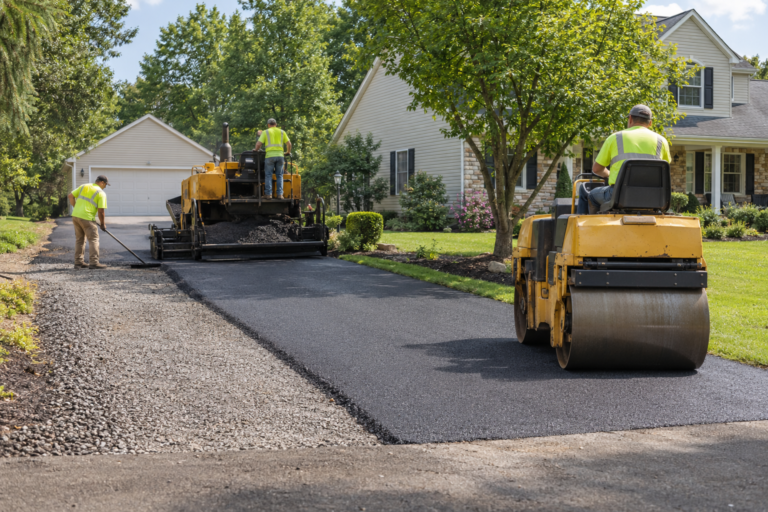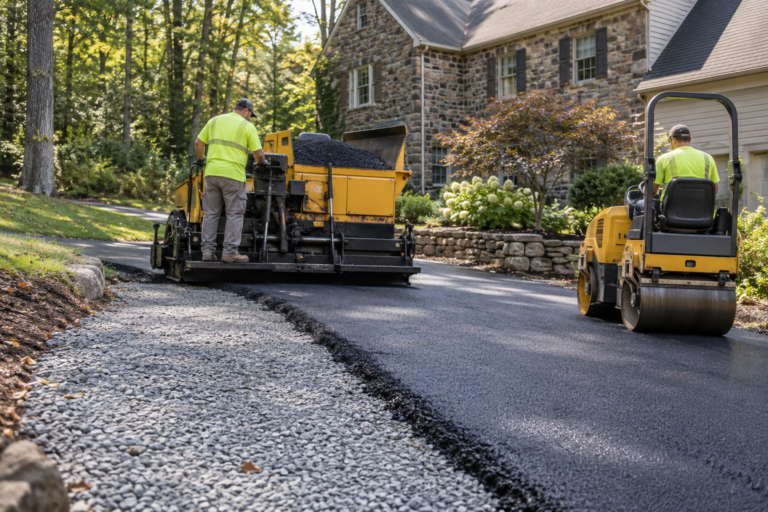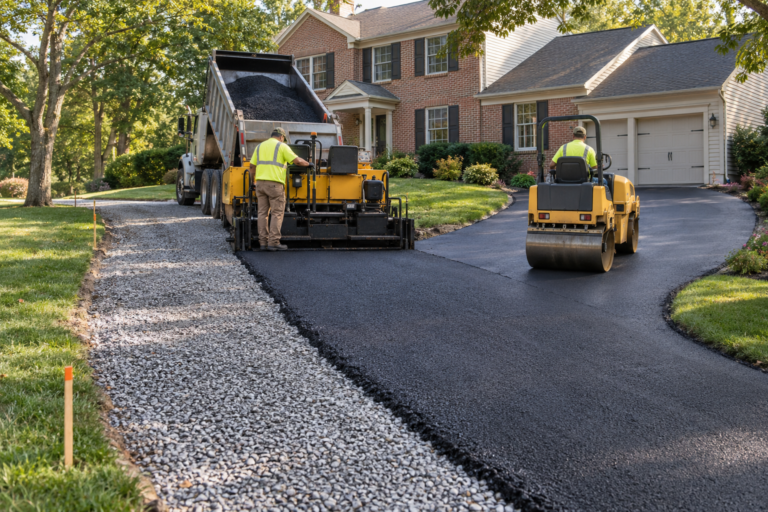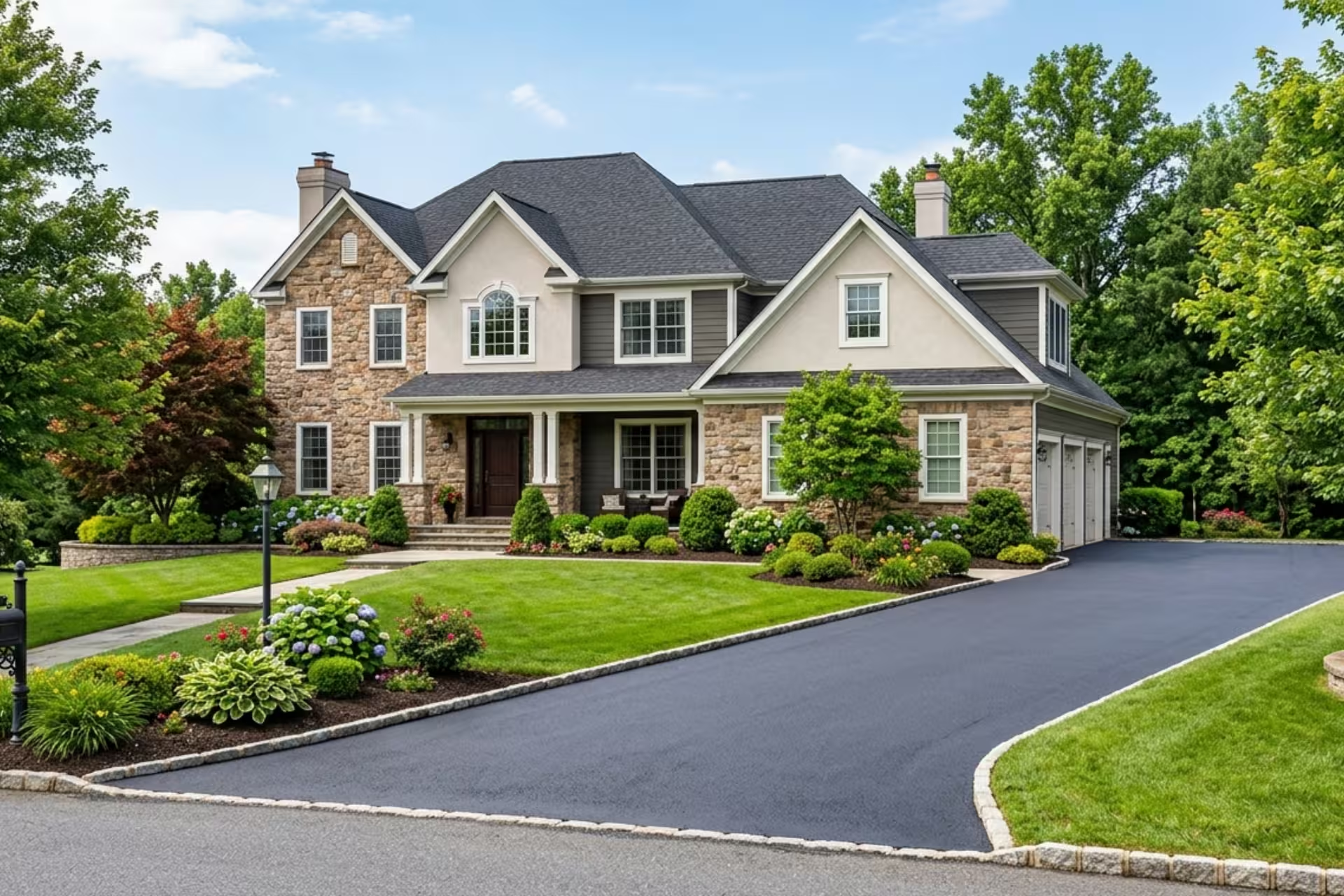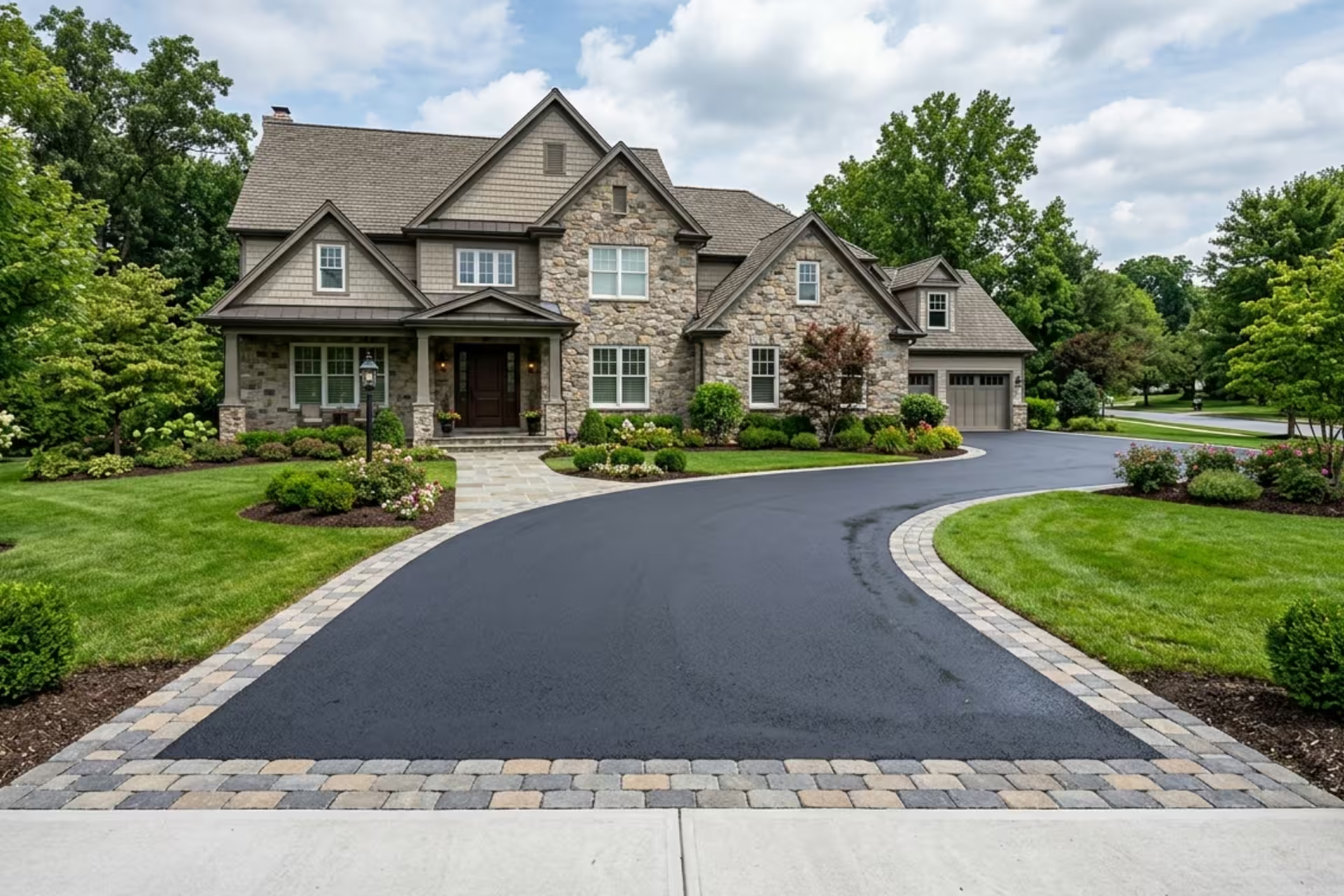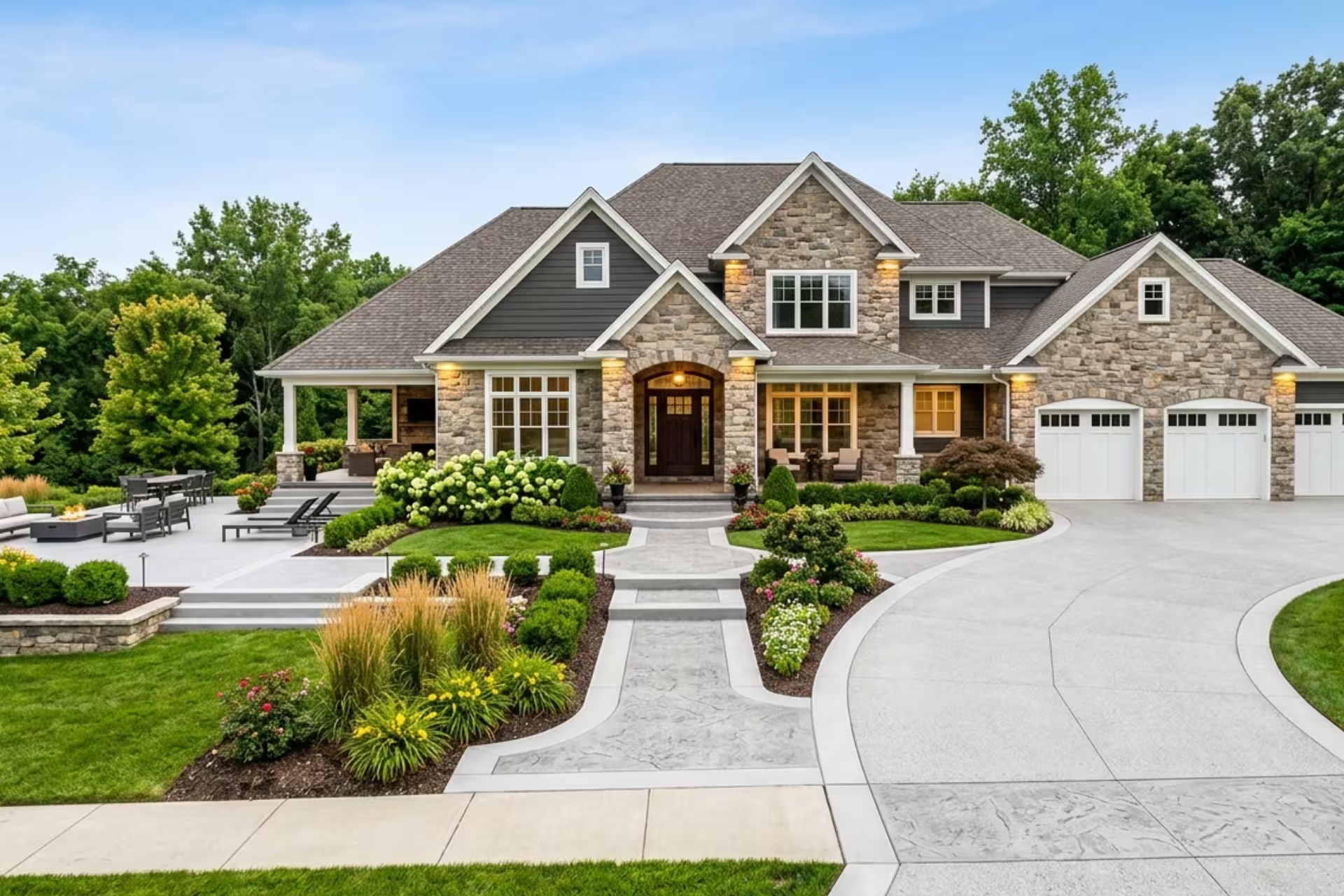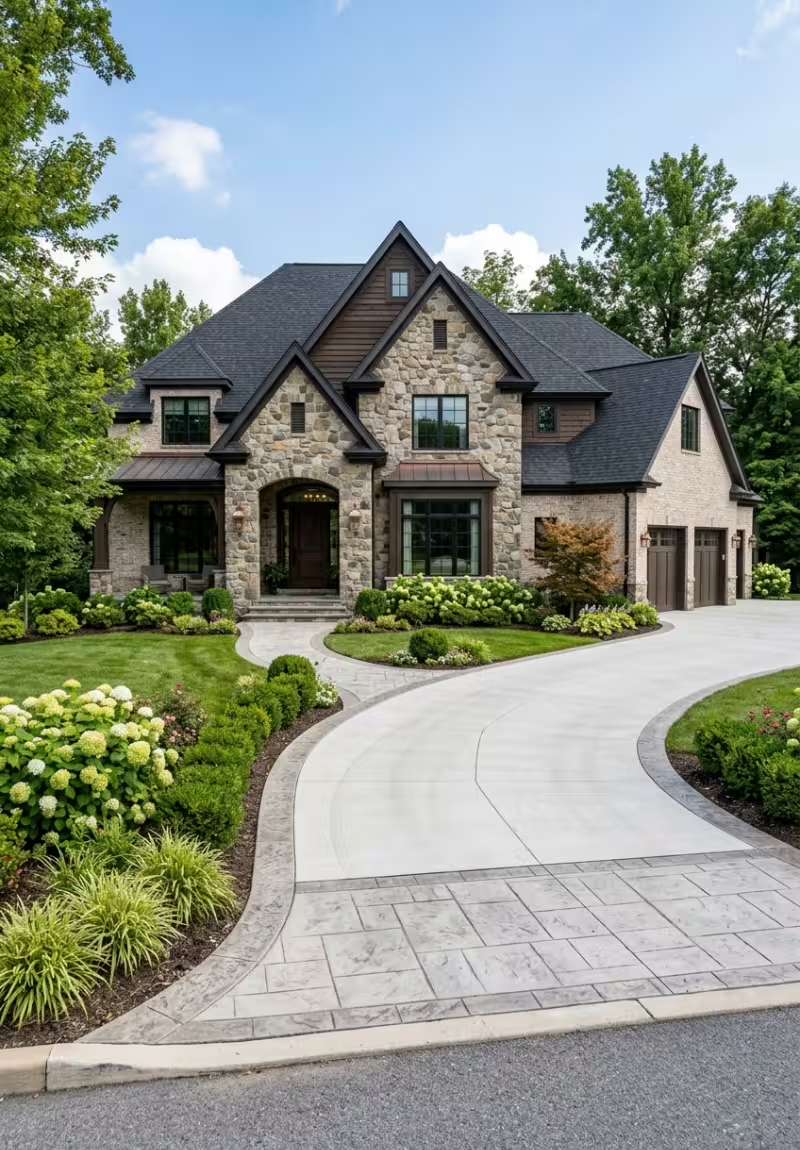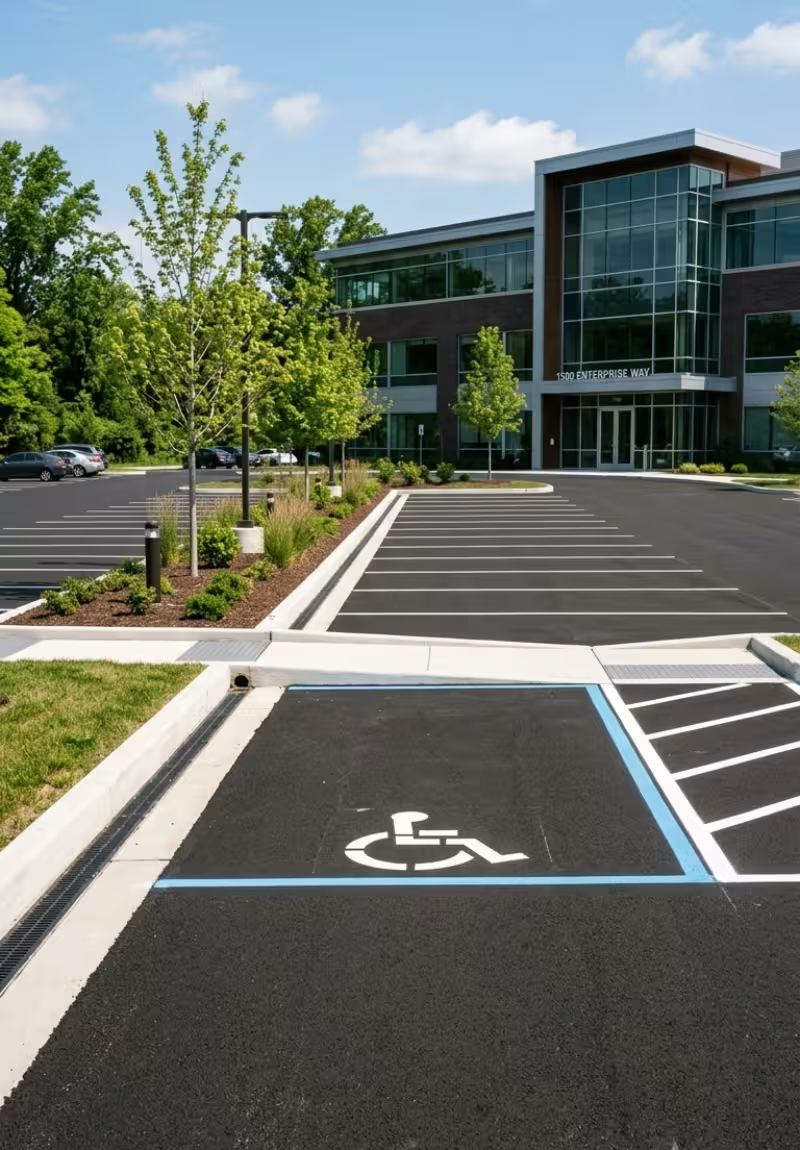
A durable asphalt surface begins below the visible pavement. Excavation, grading, drainage, aggregate-base preparation, asphalt thickness and compaction all influence how well a driveway or parking area performs.
American Paving & Concrete provides professional asphalt installation in Bath, Pennsylvania, for residential and commercial properties. Our services include new driveway construction, gravel-to-asphalt conversion, asphalt replacement, driveway extensions, parking areas and access lanes.
Every project begins with an evaluation of the site. We examine the soil, existing surface, slope, drainage, access and expected traffic before recommending an installation plan.
Learn more about our complete asphalt installation services or contact us to request an on-site estimate.
Complete Asphalt Installation Services in Bath
Asphalt installation can involve building a new paved surface or reconstructing pavement that has reached the end of its useful life.
Our Bath-area asphalt installation services may include:
- New asphalt driveway construction
- Existing driveway replacement
- Gravel-to-asphalt conversion
- Driveway extensions and widening
- Residential parking areas
- Commercial parking lots
- Private roads and access lanes
- Excavation and grading
- Aggregate-base installation
- Drainage improvements
- Asphalt placement and compaction
- Pavement-edge and transition finishing
The appropriate construction method depends on the property and the intended use of the pavement. A residential driveway used by passenger vehicles may require a different design from a surface regularly used by delivery trucks, trailers or commercial equipment.
New Asphalt Driveway Installation
A new asphalt driveway can provide a smooth, defined and practical entrance to a residential property.
Before construction begins, the proposed driveway should be evaluated for:
- Available space
- Property slope
- Vehicle access
- Garage elevation
- Road connection
- Surface-water movement
- Soil stability
- Expected vehicle weight
- Required pavement thickness
- Local permit requirements
Once the layout has been established, unsuitable material may need to be removed. The site is then graded and prepared to receive a stable aggregate base.
Visit our driveway paving page to learn more about residential driveway construction and replacement.
Converting a Gravel Driveway to Asphalt
A gravel driveway should not simply be covered with asphalt without first checking the condition of the underlying material.
Some gravel driveways already contain a usable foundation. Others may have thin aggregate, soft soil, poor drainage, ruts or areas of settlement that must be corrected.
A gravel-to-asphalt conversion may involve:
- Inspecting the existing driveway
- Removing vegetation and unstable material
- Correcting the driveway grade
- Installing or supplementing the aggregate base
- Compacting the base in controlled layers
- Establishing proper drainage
- Placing the asphalt
- Compacting and finishing the new surface
Proper preparation helps reduce the risk of premature cracking, settlement and surface deformation.
Asphalt Driveway Replacement
Replacement may be appropriate when an existing driveway has extensive structural deterioration.
Possible signs that replacement should be considered include:
- Widespread alligator cracking
- Repeated potholes
- Large sunken areas
- Unstable pavement
- Broken or crumbling edges
- Severe drainage problems
- Movement caused by base failure
- Numerous unsuccessful past repairs
During replacement, the damaged asphalt is removed so the supporting material can be evaluated. Weak sections can then be excavated and rebuilt before new asphalt is installed.
Localized damage does not always require total replacement. Our asphalt repair services may be more appropriate when the failure is confined to a limited area.
Why the Aggregate Base Matters
The aggregate base supports the asphalt and distributes vehicle loads across the underlying soil.
A weak or poorly compacted base can contribute to:
- Pavement settlement
- Depressions
- Edge failure
- Rutting
- Potholes
- Cracking
- Water-related deterioration
- Premature reconstruction
Base requirements vary according to soil conditions, traffic, drainage and the type of surface being built. Installing additional asphalt cannot reliably compensate for an unstable foundation.
Grading and Drainage
Water should be directed away from the pavement and nearby structures whenever site conditions permit.
Drainage planning may include evaluating:
- The direction of the driveway slope
- Garage and building elevations
- Roadside drainage
- Low areas
- Downspout discharge
- Adjacent lawns
- Existing swales
- Catch basins
- Pavement edges
- Connections to public roads
Standing water can indicate inadequate slope, settlement or an obstructed drainage path. Water that reaches the base through cracks or edges can weaken supporting material and contribute to freeze-thaw damage.
Drainage concerns should therefore be addressed during construction rather than after the asphalt has been placed.
Asphalt Installation Process
Although every property is different, a complete installation commonly follows several major stages.
1. Site inspection and planning
The contractor evaluates the location, measurements, traffic, drainage, existing material and access for construction equipment.
2. Excavation or pavement removal
Vegetation, unsuitable soil, failed asphalt or other unwanted material is removed as required by the project.
3. Subgrade evaluation
The exposed soil is examined for soft, wet or unstable sections. Problem areas may require correction before construction continues.
4. Aggregate-base preparation
The aggregate base is installed, graded and compacted to form a stable platform for the asphalt.
5. Drainage grading
The surface is shaped to promote controlled water movement and reduce unnecessary ponding.
6. Asphalt placement
The asphalt mixture is placed at the planned thickness while it remains within a suitable working-temperature range.
7. Compaction
Rolling reduces air voids and helps produce a dense, stable pavement surface.
8. Edge and transition finishing
Connections to roads, garages, sidewalks, aprons and adjoining pavement are completed according to the site layout.
9. Final inspection
The finished area is reviewed for surface consistency, drainage, edges and transitions.
Asphalt Thickness and Vehicle Use
There is no single asphalt thickness that is correct for every property.
The pavement design may be affected by:
- Passenger vehicles
- Work trucks
- Delivery vehicles
- Recreational vehicles
- Trailers
- Waste-removal trucks
- Commercial traffic
- Snow-removal equipment
- Soil and base conditions
The aggregate base and supporting soil are as important as the asphalt layer. The complete pavement structure should be designed for the loads it is expected to carry.
Compaction and Finished Pavement Quality
Compaction is a time-sensitive part of asphalt installation. The mixture must be compacted while it remains workable.
Proper compaction helps:
- Increase pavement density
- Improve surface stability
- Reduce excessive air voids
- Create smoother transitions
- Limit water infiltration
- Support more consistent performance
Edges, joints and areas around fixed structures require particular attention because they may be more difficult to compact than open pavement.
Asphalt Resurfacing Versus Installation
Resurfacing and complete installation are different services.
Resurfacing places a new asphalt layer over an existing pavement structure. It may be appropriate when the existing base remains stable and deterioration is primarily confined to the surface.
Complete installation or reconstruction addresses both the asphalt and the supporting structure. It may be necessary when the site has widespread cracking, settlement, drainage problems or base failure.
An inspection is required to determine which option is suitable. Covering unstable pavement with an overlay may allow the underlying damage to reappear.
Residential and Commercial Asphalt Installation
Residential construction frequently involves driveways, parking pads, extensions and private access lanes.
Commercial construction may involve:
- Parking lots
- Drive aisles
- Employee parking
- Customer entrances
- Service areas
- Delivery lanes
- Apartment-community pavement
- Commercial access roads
Commercial surfaces may require additional planning for traffic control, deliveries, customer access, drainage and project phasing.
Property owners planning a larger paved area can also review our parking lot paving services.
When Is the Best Time to Install Asphalt?
Asphalt installation requires suitable weather and pavement conditions.
The contractor must consider:
- Air temperature
- Ground temperature
- Rain
- Surface moisture
- Wind
- Asphalt delivery time
- Project size
- Compaction time
- Available daylight
Cold or wet conditions can reduce working time and interfere with placement or compaction. Scheduling remains dependent on both the project and the forecast.
How Long Before New Asphalt Can Be Used?
The reopening time depends on weather, pavement design, asphalt temperature and the type of vehicles using the surface.
The asphalt must cool and become sufficiently stable before traffic returns. Heavy vehicles and sharp stationary turns may require additional caution.
The contractor’s project-specific instructions should always take priority over a generic waiting period.
During the early life of the pavement, property owners should avoid:
- Turning steering wheels while a vehicle is stationary
- Parking heavy equipment in one location for long periods
- Placing narrow trailer jacks directly on the asphalt
- Driving across unsupported edges
- Allowing leaking fuel or oil to remain on the surface
Maintaining New Asphalt
Preventive maintenance can help limit avoidable deterioration.
A maintenance plan may include:
- Keeping the pavement clean
- Monitoring drainage
- Removing leaking vehicle fluids
- Repairing eligible cracks
- Protecting unsupported edges
- Inspecting areas that carry heavy loads
- Repairing localized damage promptly
- Applying sealcoating when the pavement is ready
New asphalt should not be sealcoated immediately. It needs time to cure before a protective coating is considered.
Learn more about professional sealcoating and ongoing asphalt maintenance.
What Affects Asphalt Installation Cost?
The cost of asphalt installation in Bath depends on the conditions and requirements of the property.
Important factors include:
- Total paved area
- Excavation depth
- Existing pavement removal
- Soil stability
- Aggregate-base requirements
- Asphalt thickness
- Drainage work
- Property slope
- Equipment access
- Pavement shape
- Edge and transition details
- Expected traffic
- Material and transportation requirements
An on-site inspection provides a more dependable estimate than a generic square-foot price because it accounts for the construction below the finished surface.
Choosing an Asphalt Contractor
When comparing asphalt installation proposals, property owners should look beyond the final price.
A proposal should explain:
- What material will be removed
- How the site will be graded
- Whether the existing base can be reused
- How much aggregate base will be installed
- How drainage will be handled
- What asphalt structure is proposed
- How the pavement will be compacted
- How edges and transitions will be finished
- Which preparation items are included
- What could change the price or schedule
Clear construction details make competing estimates easier to compare.
Request an Asphalt Installation Estimate in Bath
American Paving & Concrete provides asphalt installation for homeowners, businesses and property managers in Bath and surrounding Pennsylvania communities.
We can assess your property and recommend an installation plan based on its soil, drainage, traffic and intended use.
Call: (610) 477-3553
Email: info@americanpavingandconcrete.com
Business address: 2114 Dublin Pike, Quakertown, PA 18951
Online: Request a free estimate