If you own an asphalt driveway, you may wonder how often to sealcoat a driveway and whether sealcoating is really necessary. Asphalt is durable, practical, and attractive, but it is still exposed to sunlight, rain, snow, ice, road salt, oil stains, and everyday vehicle traffic. Over time, these conditions can dry out the surface, fade the color, open small cracks, and make the driveway more vulnerable to damage.
For Pennsylvania homeowners, sealcoating is especially important because driveways deal with seasonal temperature changes, freeze-thaw cycles, winter salt, and heavy moisture. When used at the right time, sealcoating can help protect the surface, improve curb appeal, and extend the life of your driveway. However, sealcoating should be done when the driveway is ready — not too early, not too late, and not as a cover-up for major damage.
American Paving & Concrete provides seal coating, asphalt maintenance, asphalt repair, asphalt installation, residential asphalt paving, commercial paving, and concrete paving throughout Pennsylvania. This guide explains how often driveway sealing is needed, what signs to watch for, and when to call a professional.
What Is Asphalt Driveway Sealcoating?
Asphalt driveway sealcoating is the process of applying a protective coating over an existing asphalt surface. This coating helps shield the pavement from sunlight, water, oil, salt, and daily wear. It also restores the dark blacktop appearance that many homeowners prefer.
Sealcoating is a maintenance service, not a structural repair. It is designed to protect asphalt that is still in fair or good condition. If your driveway has deep cracks, potholes, sinking areas, loose asphalt, or drainage problems, those issues should be repaired before sealcoating is applied.
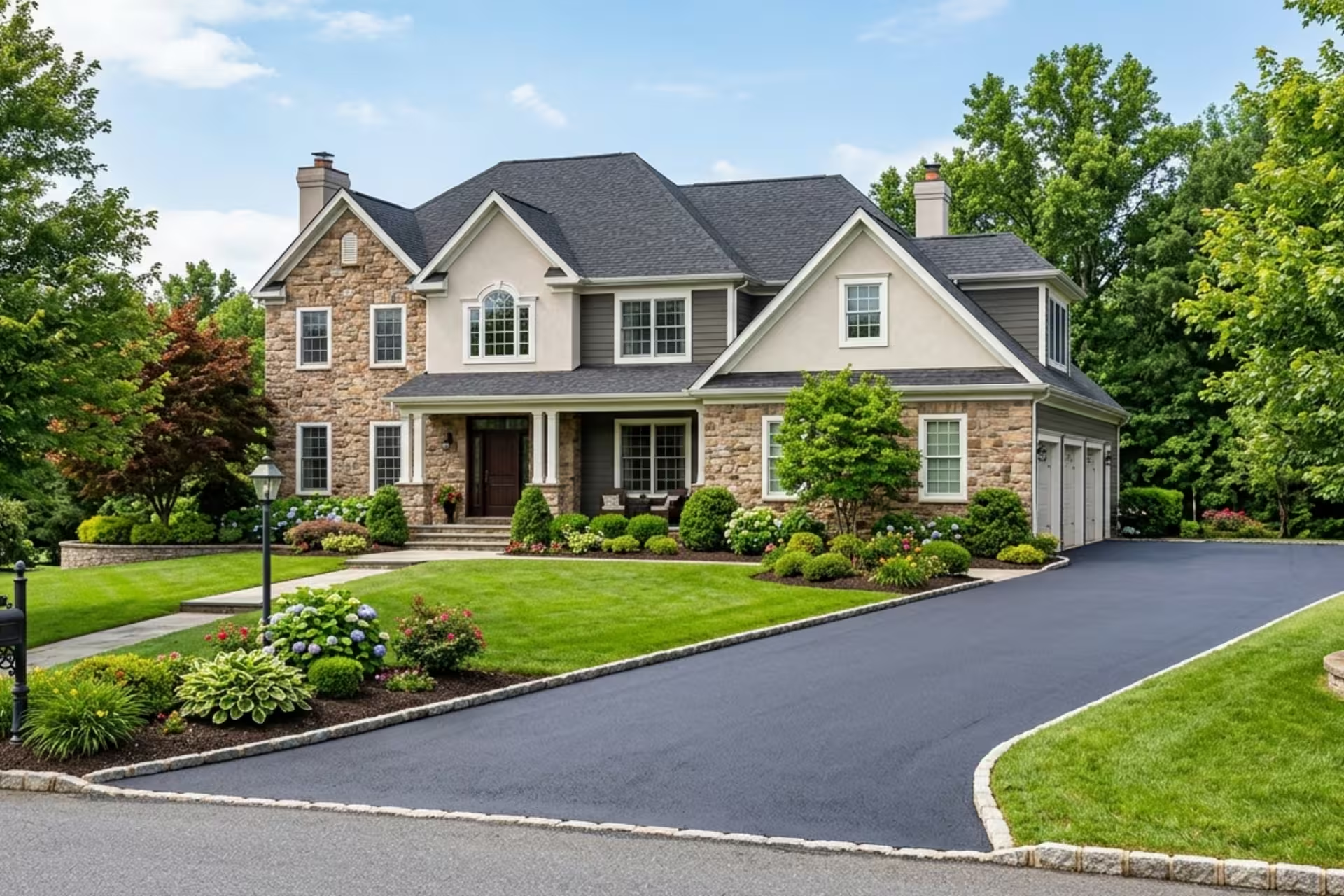
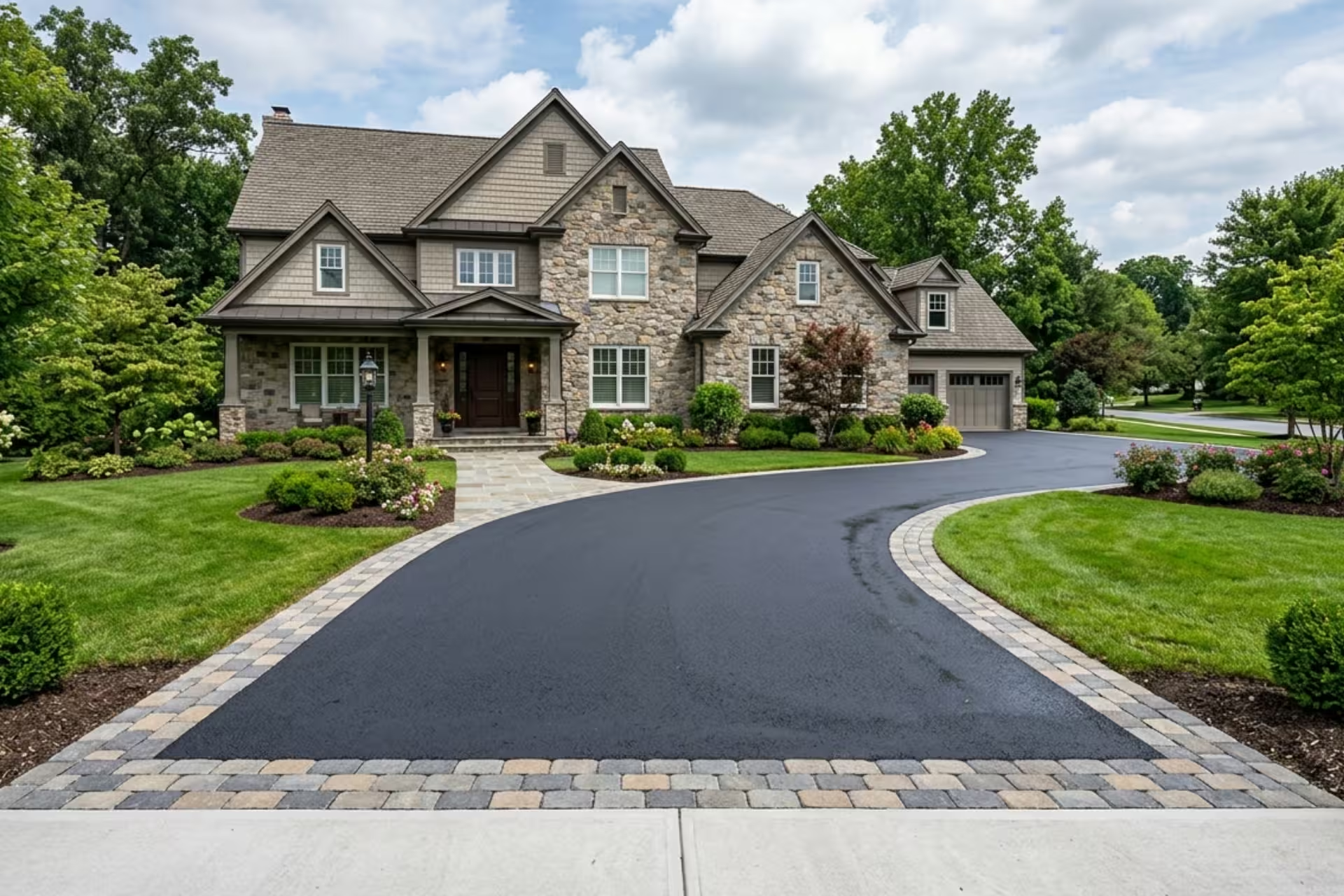
A properly sealcoated driveway looks cleaner and more finished while receiving added surface protection.
How Often Should You Sealcoat Your Driveway?
Many homeowners ask, “How often should you sealcoat your driveway?” The answer depends on the driveway’s age, condition, traffic, weather exposure, drainage, and maintenance history.
In general, an asphalt driveway should be inspected regularly and sealcoated when the surface begins to show signs of wear. Many driveways benefit from sealcoating every few years, but not every driveway needs the same schedule. A driveway exposed to heavy sun, regular traffic, winter salt, or poor drainage may need service sooner than a lightly used driveway in better condition.
The best approach is to look at the condition of the asphalt rather than following a fixed calendar. If the surface is faded, dry, and beginning to show minor wear, sealcoating may be appropriate. If the asphalt still looks new and is not worn, it may be too soon.
Why Pennsylvania Driveways Need Sealcoating
Pennsylvania weather can be hard on asphalt. Driveways experience hot summers, cold winters, rain, ice, snow, and repeated freeze-thaw cycles. When water gets into small cracks and freezes, it expands and can make the cracks larger. Over time, this can lead to potholes, edge damage, and base failure.
Sealcoating helps reduce the surface’s exposure to:
- UV rays
- Rainwater
- Snow and ice
- Road salt
- Oil stains
- Surface oxidation
- Everyday vehicle wear
While sealcoating will not stop all damage, it can slow surface deterioration and support a longer-lasting driveway when combined with crack filling and repairs.
Signs Your Driveway Needs Sealcoating
Instead of sealing your driveway automatically every year, look for signs that the asphalt is ready. Sealcoating is most effective when the driveway is still structurally sound but beginning to show surface aging.
Your driveway may need sealcoating if you notice:
- The surface has faded from black to gray
- Asphalt looks dry or brittle
- Water no longer beads on the surface
- Small hairline cracks are appearing
- The driveway looks weathered
- Surface texture feels rough
- Minor staining is visible
- The driveway has lost curb appeal
These signs usually mean the surface is aging and may benefit from protection.
Signs You Should Repair Before Sealcoating
Sealcoating should not be used to hide serious asphalt problems. If the driveway has structural damage, repairs should be completed first.
You may need asphalt repair before sealcoating if you see:
- Deep cracks
- Wide gaps
- Potholes
- Loose asphalt
- Crumbling edges
- Sinking sections
- Standing water
- Drainage problems
- Failed patch areas
- Base movement
Applying sealcoat over serious damage may improve appearance for a short time, but it will not fix the underlying problem. A professional contractor should inspect the driveway and recommend repairs before sealcoating if needed.
How Long Does Sealcoating Last?
Homeowners often ask, “How long does sealcoating last?” The answer depends on traffic, weather exposure, preparation, product quality, drainage, and the condition of the asphalt before sealing.
A properly applied sealcoat can provide meaningful surface protection, but it will gradually wear down over time. Driveways with heavier use, more sunlight, frequent snow removal, or exposure to road salt may wear faster. Driveways with good drainage and lighter traffic may hold their finish longer.
Preparation also matters. The driveway should be cleaned, cracks should be filled, and damaged areas should be repaired before sealcoating. A rushed job over dirty or damaged asphalt may not last as long.
Should You Sealcoat a New Asphalt Driveway?
A new asphalt driveway should not usually be sealcoated immediately. Fresh asphalt needs time to cure before a sealcoat is applied. Sealing too soon can trap oils in the asphalt and affect the finish.
The right timing depends on the condition of the new asphalt, weather, and contractor recommendations. Before sealing a newer driveway, have a professional inspect the surface and confirm that it is ready.
For new driveway owners, the best first step is proper care: avoid heavy loads too soon, protect the edges, watch for drainage issues, and follow the contractor’s instructions after installation.
How Much Does It Cost to Sealcoat a Driveway?
Many homeowners search for “how much to seal coat a driveway” before scheduling service. The cost depends on several factors, including driveway size, condition, preparation work, crack filling, repairs, accessibility, and the amount of sealcoat material required.
Sealcoating cost may be affected by:
- Driveway length and width
- Surface condition
- Crack filling needs
- Pothole repair
- Oil stain treatment
- Cleaning and preparation
- Number of coats needed
- Access for equipment
- Local labor and material costs
A small driveway in good condition will usually cost less than a large driveway with cracks, stains, and repair needs. The best way to get accurate pricing is to request an on-site estimate.
How Long Does Driveway Sealcoat Take to Dry?
Drying time depends on weather, temperature, humidity, sunlight, and product application. Sealcoating should be done during suitable weather conditions, and the driveway should remain free from traffic until it is ready.
Homeowners often ask how long after sealcoating they can drive on the driveway. The contractor will provide specific instructions based on the job conditions. Following drying and curing guidance is important because using the driveway too soon can mark or damage the new finish.
Sealcoating should generally be avoided when rain is expected too soon, temperatures are too low, or the surface is wet.
Is Sealcoating a Driveway Necessary?
Sealcoating is not always required immediately, but it is a valuable maintenance service for asphalt driveways. It helps protect the surface and can reduce long-term wear when done at the proper time.
Sealcoating is worth considering if:
- The driveway is structurally sound
- The surface is fading
- Minor wear is visible
- You want better curb appeal
- You want protection from weather and oil stains
- You want to extend pavement life
- You have completed needed crack repairs
Sealcoating is not a replacement for asphalt repair, resurfacing, or replacement. It works best as part of a complete maintenance plan.
Sealcoating and Crack Filling Work Best Together
Crack filling and sealcoating are often recommended together because they solve different problems. Crack filling seals openings in the asphalt, while sealcoating protects the surface.
The best maintenance sequence is usually:
- Inspect the driveway
- Clean the surface
- Repair potholes or damaged areas
- Fill cracks
- Apply sealcoating when conditions are right
This approach helps protect the pavement better than sealcoating alone.
Should You Sealcoat Every Year?
Some homeowners think they should sealcoat every year, but that is not always necessary. Over-sealing can create buildup and may not improve the driveway if the surface is not ready. The right timing depends on pavement condition.
Instead of sealing every year automatically, inspect the driveway and look for signs of fading, dryness, and surface wear. A professional asphalt contractor can recommend whether sealcoating is needed or whether repairs should come first.
Choosing an Asphalt Sealcoating Contractor in Pennsylvania
When searching for asphalt sealcoating near me, choose a contractor that understands asphalt maintenance, not just surface coating. A good contractor should inspect the driveway, identify cracks or potholes, check drainage, and explain whether sealcoating is the right service.
Before hiring a sealcoating contractor, ask:
- Is my driveway ready for sealcoating?
- Do any cracks need filling first?
- Are potholes or damaged areas present?
- How will the surface be cleaned?
- How many coats do you recommend?
- What weather conditions are needed?
- How long before I can drive on it?
- Do you provide asphalt repair and maintenance?
American Paving & Concrete offers sealcoating along with asphalt repair, maintenance, and paving services, which means the team can recommend the right solution instead of simply applying sealer over problems.
Schedule Driveway Sealcoating in Pennsylvania
If your asphalt driveway is faded, dry, lightly worn, or ready for maintenance, American Paving & Concrete can help. The company provides seal coating, asphalt maintenance, asphalt repair, asphalt installation, residential asphalt paving, commercial paving, and concrete paving throughout Pennsylvania.
Whether your driveway needs sealcoating, crack filling, repair, resurfacing, or a full inspection, the team can recommend the best next step.
Call American Paving & Concrete: (610) 203-4241
Email: info@americanpavingandconcrete.com