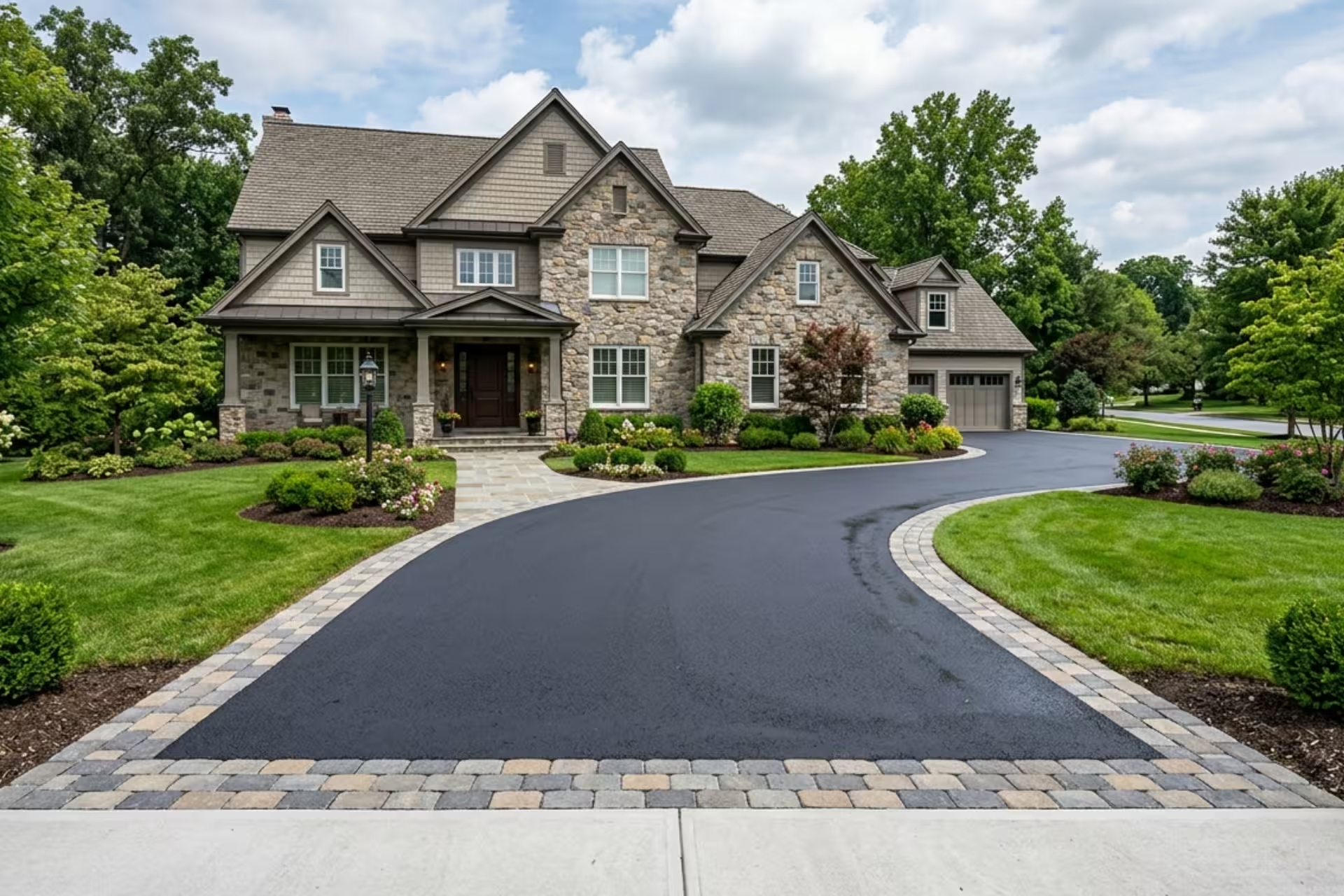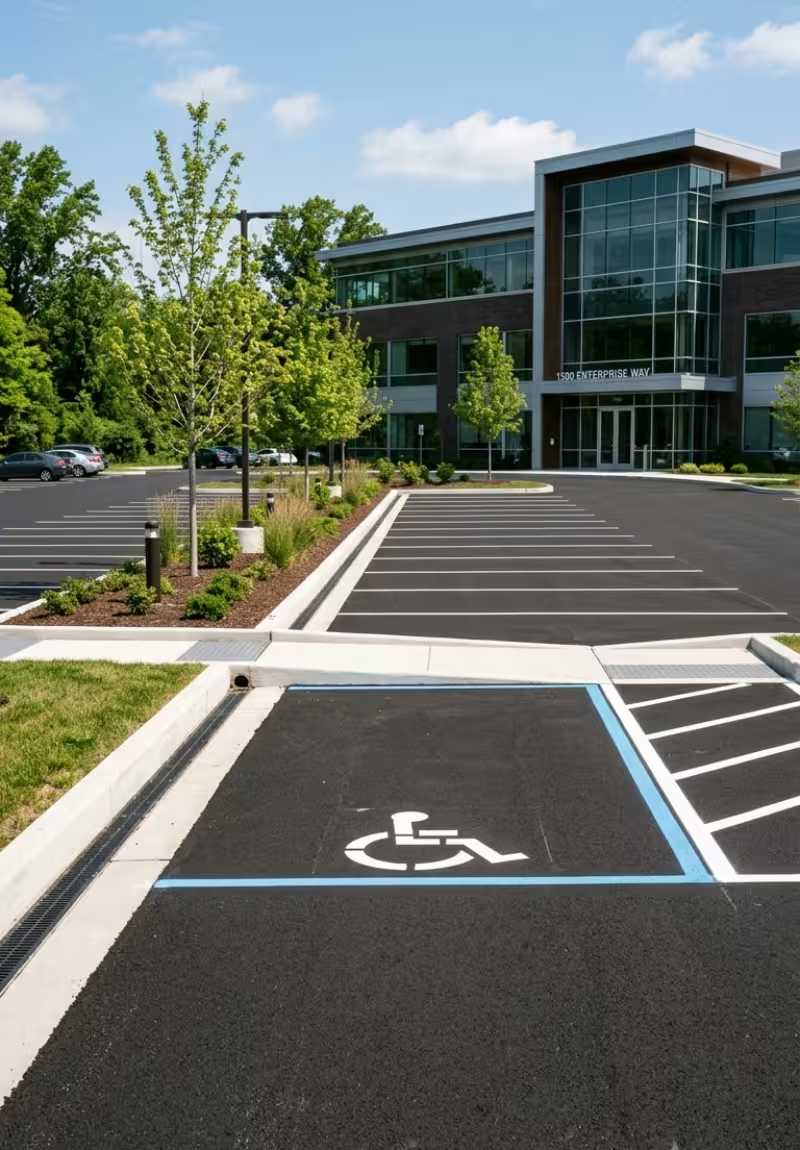
Asphalt pavement is continually exposed to vehicle traffic, sunlight, rainfall, freezing temperatures, snow, road salt and seasonal temperature changes. These conditions can contribute to cracks, potholes, surface wear, edge deterioration and drainage-related damage.
Maintenance helps identify and address developing problems while the surrounding asphalt remains suitable for preservation.
American Paving & Concrete provides professional asphalt maintenance for residential driveways, private lanes, parking areas and other paved surfaces in Tinicum Township and surrounding Bucks County communities.
Before recommending work, we evaluate the asphalt surface, supporting base, drainage, pavement edges, slope, vehicle use and previous repairs. This property-specific approach helps determine whether the pavement requires crack filling, patching, sealcoating, resurfacing or replacement.
Complete Asphalt Maintenance Services in Tinicum Township
Tinicum Township includes residential properties, rural roads, wooded lots, long driveways, private access lanes, local businesses and other sites with varied pavement-maintenance requirements.
Our services may include:
- Pavement inspections
- Crack filling and sealing
- Pothole repair
- Surface patching
- Full-depth asphalt patching
- Driveway-edge restoration
- Private-lane maintenance
- Drainage evaluation
- Low-area correction
- Sealcoating preparation
- Asphalt sealcoating
- Resurfacing evaluation
- Seasonal pavement maintenance
- Residential driveway maintenance
- Commercial parking-area maintenance
- Long-term pavement planning
The correct maintenance program depends on the pavement’s condition rather than a universal treatment schedule.
Why Asphalt Maintenance Matters
Cracks and broken edges can allow water to reach the aggregate base beneath the pavement. Traffic and freeze-thaw movement can then weaken the supporting material and contribute to additional surface failure.
Timely maintenance may help:
- Limit water penetration
- Slow the expansion of suitable cracks
- Address isolated potholes
- Protect stable pavement
- Preserve driveway edges
- Identify drainage problems
- Improve surface appearance
- Reduce the extent of future repairs
- Maintain dependable property access
- Extend the asphalt’s useful service life
Preventive maintenance cannot restore a failed base, but it can help preserve pavement that remains structurally stable.
Residential Driveway Maintenance
Residential driveways experience repeated vehicle loading and year-round weather exposure.
Common signs that maintenance may be needed include:
- New or widening cracks
- Small potholes
- Loose aggregate
- Surface fading
- Crumbling edges
- Depressions
- Standing water
- Failed patches
- Garage-transition damage
- Road-entrance deterioration
- Vegetation growing through cracks
Professional driveway paving and maintenance may include crack treatment, pothole repair, patching, edge restoration, drainage correction and sealcoating when appropriate.
Long Driveway and Private-Lane Maintenance
Long residential driveways and private lanes require careful inspection because problems may develop differently along the pavement.
An inspection may examine:
- Uphill and downhill sections
- Curves
- Vehicle turnarounds
- Passing or parking areas
- Road entrances
- Culvert crossings
- Garage approaches
- Shaded sections
- Unsupported edges
- Water-flow paths
- Heavy-vehicle turning areas
- Previous repair locations
The areas used by delivery trucks, trailers, service vehicles and waste-removal vehicles may experience greater stress than sections used primarily by passenger vehicles.
Maintenance for Sloped Pavement
Sloped driveways can experience concentrated water flow and additional stress near curves, low areas and transitions.
Potential problems include:
- Water flowing along pavement edges
- Aggregate shoulder erosion
- Cracks across the slope
- Settlement near drainage crossings
- Washout near the road entrance
- Loose pavement edges
- Ice formation
- Depressions near garage approaches
Maintenance recommendations should account for both visible damage and the way water moves across the property.
Wooded and Shaded Properties
Trees and surrounding vegetation can affect asphalt maintenance.
Wooded properties may experience:
- Leaves blocking drainage paths
- Moss or organic growth
- Moisture remaining longer in shaded areas
- Roots contributing to pavement movement
- Branch debris collecting in cracks
- Vegetation weakening driveway edges
- Limited sunlight after rain or snow
Routine cleaning, edge maintenance and drainage checks can help property owners identify developing problems.
If roots appear to be lifting the pavement, the cause and extent of the movement should be evaluated before the asphalt is repaired.
Asphalt Pavement Inspections
Routine inspections are the foundation of an effective maintenance plan.
A professional inspection may evaluate:
- Crack type and width
- Pothole depth
- Surface texture
- Loose aggregate
- Pavement movement
- Edge support
- Base instability
- Standing water
- Drainage routes
- Culvert transitions
- Previous patches
- Road connections
- Garage approaches
- Vehicle traffic
- Heavy-load areas
Property owners should inspect pavement after winter, periods of heavy rainfall and noticeable surface changes.
Crack Filling and Sealing
Cracks create openings through which water can enter the pavement structure.
Professional crack treatment may involve:
- Inspecting the crack and surrounding pavement
- Removing vegetation, dirt and loose material
- Cleaning and drying the opening
- Applying an appropriate crack-treatment material
- Allowing the treatment to set before vehicle use
Filling suitable cracks can help reduce water penetration and slow further expansion.
Crack treatment works best when the surrounding asphalt remains stable.
When Crack Filling Is Not Appropriate
Crack filling cannot correct:
- Widespread alligator cracking
- Severe settlement
- Large soft sections
- Unstable pavement
- Extensive base failure
- Major drainage problems
- Asphalt breaking apart
- Repeatedly failed patches
These conditions may require full-depth repair, resurfacing or complete replacement.
Pothole Repair
Potholes often develop where moisture and traffic have weakened the pavement and supporting base.
Professional asphalt repair may include:
- Removing loose asphalt
- Cutting back unstable edges
- Inspecting the supporting base
- Removing weak material
- Rebuilding the affected foundation
- Installing asphalt repair material
- Compacting the patch
- Finishing the surrounding transition
The appropriate repair method depends on the pothole’s size, depth and underlying stability.
Surface Patching
Surface patching may be appropriate when damage is primarily limited to the upper asphalt layer.
It may be used for:
- Shallow deterioration
- Limited surface breakup
- Minor depressions
- Small worn areas
- Localized edge damage
- Failed surface patches
The supporting base must remain stable enough to support the repair.
Full-Depth Patching
Full-depth patching addresses damage that extends through the asphalt and into the supporting layers.
It may be appropriate for:
- Deep potholes
- Soft pavement
- Sinking sections
- Severe localized cracking
- Recurring repair failure
- Culvert-area settlement
- Heavy-vehicle damage
The failed pavement is removed, unstable base material is corrected, and new asphalt is installed and compacted.
Asphalt Edge Maintenance
Driveway edges are vulnerable because they often receive less structural support than the pavement center.
Edge deterioration may result from:
- Vehicles leaving the asphalt
- Weak gravel shoulders
- Water erosion
- Heavy vehicle loads
- Vegetation growth
- Snowplow activity
- Poor base support
- Narrow driveway entrances
Edge maintenance may involve removing loose material, rebuilding damaged asphalt, improving shoulder support or correcting nearby drainage.
Drivers should avoid regularly placing vehicle wheels along unsupported pavement edges.
Gravel Shoulders and Edge Support
Some rural driveways depend on compacted gravel shoulders for edge support.
Maintenance may include:
- Replacing displaced aggregate
- Compacting shoulder material
- Correcting erosion channels
- Removing vegetation
- Creating a stable transition
- Preventing water from flowing beneath the edge
- Repairing broken asphalt before damage spreads
Placing loose stone beside a failed edge without correcting the damaged asphalt may not provide lasting support.
Drainage and Water Management
Water is one of the leading contributors to pavement deterioration.
Poor drainage may cause:
- Standing water
- Base erosion
- Settlement
- Potholes
- Crack expansion
- Ice formation
- Edge failure
- Recurring patch problems
Drainage maintenance may include:
- Correcting localized low areas
- Clearing runoff paths
- Improving pavement transitions
- Protecting driveway edges
- Repairing culvert approaches
- Directing water away from buildings
- Monitoring runoff after storms
Repairing asphalt without correcting a significant drainage problem may allow the damage to return.
Culvert and Road-Entrance Maintenance
Rural driveway entrances may include drainage pipes or culverts that carry runoff beneath the driveway.
Warning signs near an entrance include:
- Settlement above a culvert
- Cracking across the driveway
- Eroded shoulders
- Broken pavement edges
- Standing water
- Loose aggregate
- Uneven road transitions
- Washout around pipe openings
The pavement and supporting material should be inspected before a repair method is selected.
Sealcoating Stable Asphalt
Professional sealcoating applies a protective coating over eligible asphalt.
Sealcoating may help:
- Reduce exposure to sunlight
- Slow surface oxidation
- Limit minor weathering
- Improve color consistency
- Protect against some vehicle-fluid exposure
- Create a more uniform appearance
Sealcoating does not repair:
- Potholes
- Structural cracks
- Base failure
- Severe settlement
- Drainage problems
- Loose or crumbling pavement
- Large unstable areas
Necessary repairs should be completed before sealcoating.
Sealcoating Preparation
Proper preparation may include:
- Sweeping dirt and debris
- Removing leaves and organic material
- Treating oil-contaminated areas
- Trimming edge vegetation
- Filling suitable cracks
- Repairing potholes
- Patching failed sections
- Checking drainage
- Confirming dry conditions
- Confirming suitable weather
Applying a coating to wet, dirty or structurally damaged pavement may result in poor adhesion or uneven performance.
How Often Should Asphalt Be Sealcoated?
There is no single schedule suitable for every property.
The timing depends on:
- Pavement age
- Surface condition
- Previous coatings
- Vehicle traffic
- Sun exposure
- Tree cover
- Drainage
- Weather
- Previous repairs
- Product condition
New asphalt needs sufficient time to cure before sealcoating is considered.
An inspection can determine whether the pavement is ready and structurally suitable.
Maintenance, Resurfacing or Replacement?
The correct service depends on both the visible surface and supporting base.
Maintenance may be appropriate when:
- Cracks are isolated
- Potholes are limited
- Surface wear is moderate
- The base remains stable
- Drainage is functional
- Edge damage is localized
Resurfacing may be appropriate when:
- Surface wear is widespread
- Cracking is moderate
- The pavement remains reasonably level
- The supporting base is stable
- Failed sections can be repaired
- Drainage continues to function
Resurfacing installs a new asphalt layer over properly prepared existing pavement.
Replacement may be necessary when:
- Alligator cracking is extensive
- Settlement is severe
- Potholes repeatedly return
- Large sections are unstable
- The base has failed
- Drainage requires major reconstruction
- Repairs no longer offer a practical solution
When reconstruction is required, professional asphalt installation can address excavation, base preparation, grading, drainage, paving and compaction.
Commercial and Community Pavement Maintenance
Commercial parking areas and shared access surfaces may receive traffic from customers, employees, deliveries, service trucks and snow-removal equipment.
Our commercial paving services may support:
- Local businesses
- Offices
- Restaurants
- Churches
- Community facilities
- Apartment properties
- Storage properties
- Managed commercial sites
- Private parking areas
Commercial maintenance may include inspections, crack filling, patching, drainage repair, sealcoating, resurfacing planning and phased work.
Seasonal Asphalt Maintenance
Pennsylvania pavement experiences significant seasonal changes.
Spring
Spring inspections may identify:
- Winter cracks
- Potholes
- Snowplow damage
- Settlement
- Drainage blockages
- Loose edges
Summer
Warm, dry conditions may be suitable for:
- Crack filling
- Patching
- Drainage improvements
- Sealcoating
- Resurfacing
- Larger planned repairs
Fall
Fall maintenance may include:
- Filling suitable cracks
- Repairing potholes
- Clearing drainage paths
- Supporting pavement edges
- Preparing for winter
Winter
Property owners should monitor:
- Ice formation
- Snowplow damage
- Expanding potholes
- Blocked drainage
- Standing meltwater
- Damaged transitions
Permanent repairs generally require appropriate weather and surface conditions.
Snowplow and Deicing Considerations
Snow-removal equipment can damage loose edges, raised patches and uneven transitions.
Property owners may reduce avoidable damage by:
- Marking driveway edges
- Identifying culverts and drains
- Repairing potholes before winter
- Avoiding excessively low plow settings
- Keeping snow away from drainage paths
- Inspecting pavement after winter
- Using deicing products appropriately
Snow piles should not block drainage or direct melting water toward damaged asphalt.
What Affects Asphalt Maintenance Cost?
The cost of maintenance in Tinicum Township depends on:
- Pavement dimensions
- Driveway or private-lane length
- Number and width of cracks
- Pothole size and depth
- Required patch depth
- Base condition
- Edge deterioration
- Drainage correction
- Culvert-area repairs
- Sealcoating preparation
- Property access
- Equipment staging
- Residential or commercial use
An on-site inspection provides a more accurate estimate than a standard square-foot price that does not account for property conditions.
Asphalt Maintenance Throughout Bucks County
Tinicum Township is in Bucks County. The website’s Bucks County paving contractor page provides additional information about regional driveway paving, asphalt repair, sealcoating and pavement maintenance.
The recommended content structure is:
Asphalt Maintenance → Bucks County Paving → Tinicum Township Asphalt Maintenance
This connects the principal service, regional service area and local article.
Why Choose American Paving & Concrete?
American Paving & Concrete provides:
- Residential and commercial asphalt maintenance
- Long-driveway and private-lane evaluations
- Pavement inspections
- Crack filling
- Pothole repair
- Surface and full-depth patching
- Edge restoration
- Drainage evaluation
- Sealcoating
- Resurfacing options
- Asphalt replacement
- Site-specific recommendations
- Licensed Pennsylvania contractor services
- Free project estimates
We evaluate the complete paved area before recommending maintenance, repair, resurfacing or replacement.
Request an Asphalt Maintenance Estimate in Tinicum Township
If your driveway, private lane or parking area has cracks, potholes, damaged edges, surface wear or drainage problems, contact American Paving & Concrete.
We can inspect the pavement, explain the available options and prepare an estimate based on the property’s condition.
Call: (610) 477-3553
Email: info@americanpavingandconcrete.com
Address: 2114 Dublin Pike, Quakertown, PA 18951
Online: Request a free paving estimate