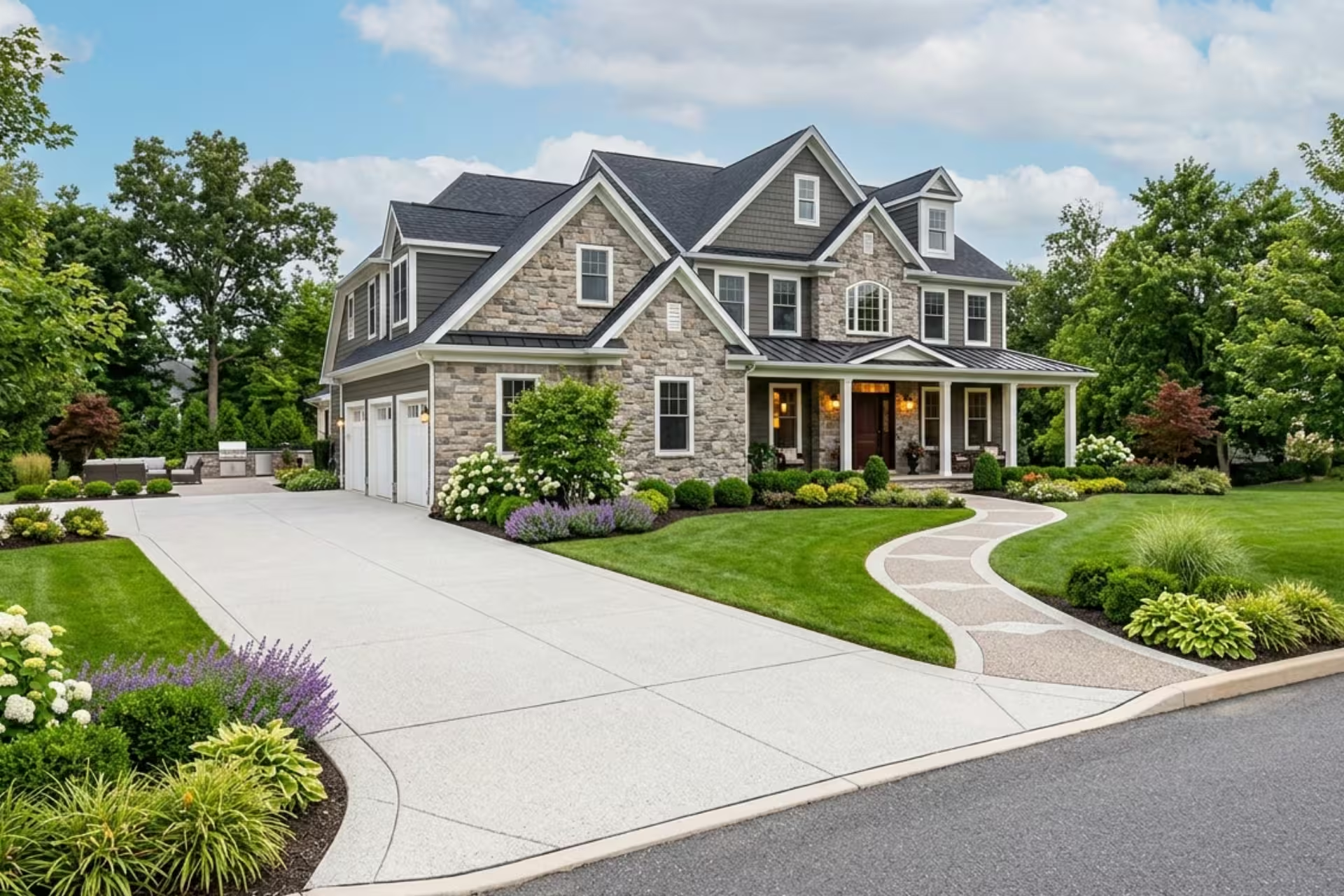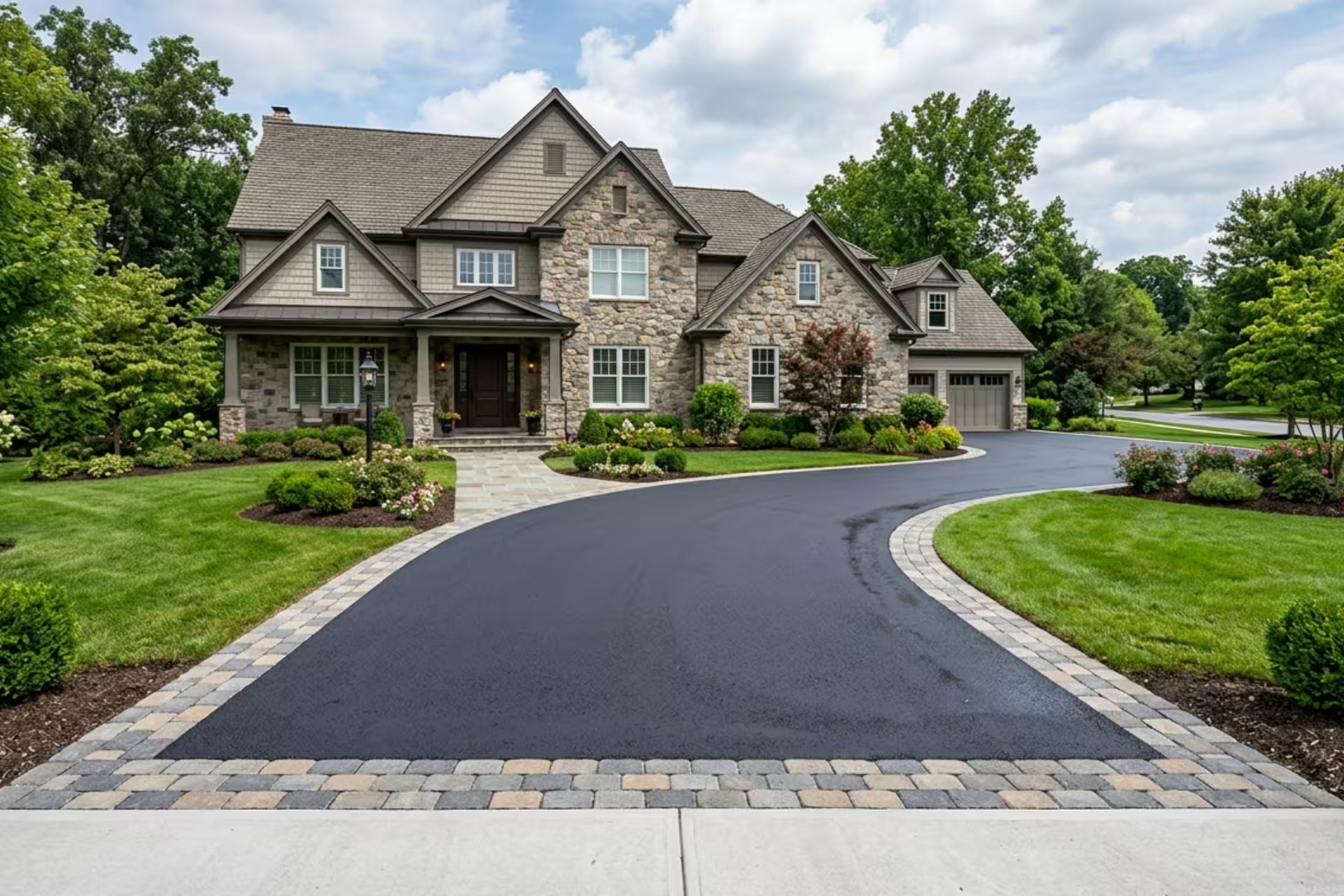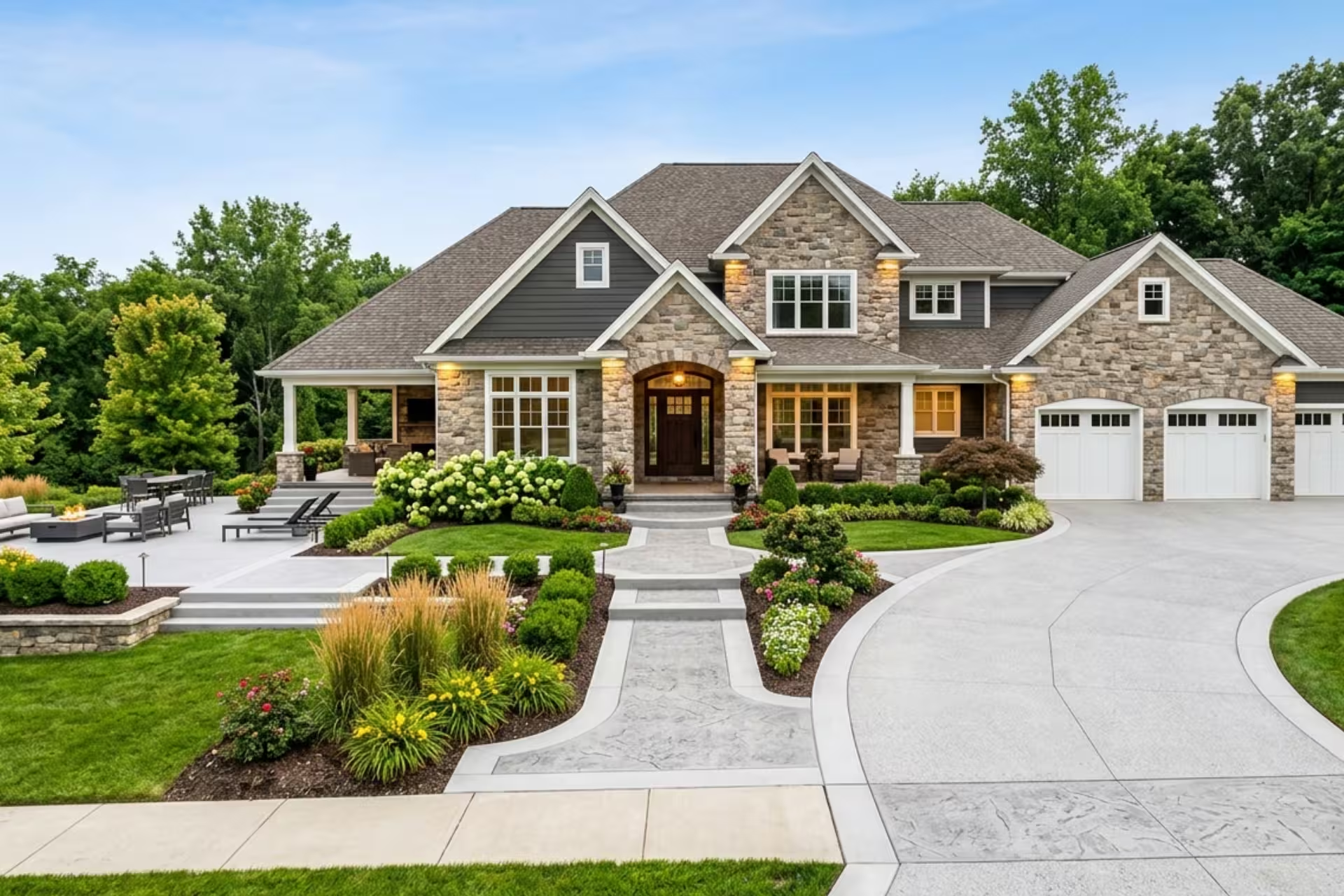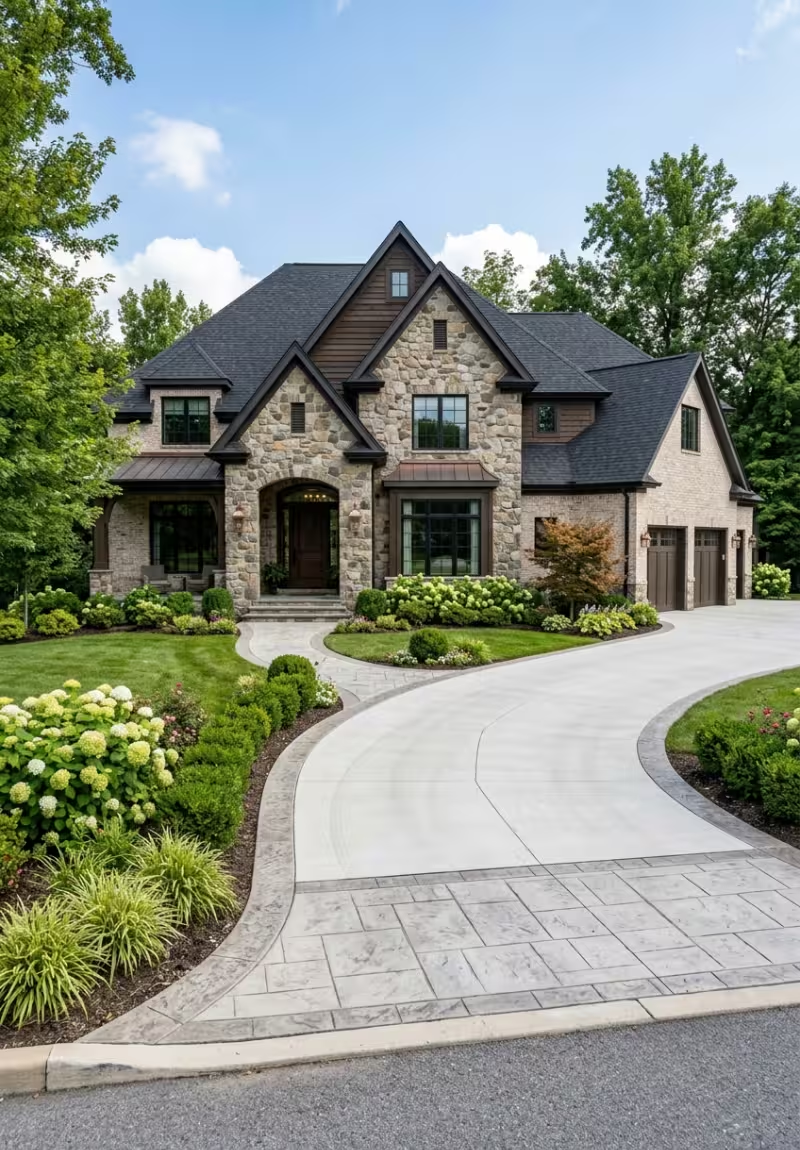
When homeowners compare asphalt vs concrete driveway options, they are usually trying to make the best long-term decision for their property. A driveway is not just a place to park vehicles. It affects curb appeal, drainage, home value, safety, and everyday convenience. Choosing the right material matters, especially in Pennsylvania where driveways face rain, snow, ice, summer heat, road salt, and freeze-thaw cycles.
Both asphalt and concrete can be excellent driveway materials when installed properly. Asphalt is often chosen for its smooth blacktop finish, flexible performance, lower initial cost, and easier repair options. Concrete is often chosen for its clean appearance, strength, and long-lasting surface when properly poured and maintained. The best choice depends on your budget, property layout, maintenance expectations, appearance preferences, and how the driveway will be used.
American Paving & Concrete provides asphalt installation, residential asphalt paving, asphalt repair, asphalt maintenance, seal coating, commercial paving, and concrete paving throughout Pennsylvania. Because the company works with both asphalt and concrete paving, homeowners can get honest guidance on which material is better for their driveway project.
Asphalt or Concrete for Driveway: Why the Choice Matters
A driveway is a long-term investment. If it is installed correctly, it can serve your home for many years. If it is installed poorly or if the wrong material is chosen for the property conditions, the driveway may crack, sink, stain, or require repairs sooner than expected.
When homeowners search for “asphalt or concrete for driveway,” they are usually comparing cost, lifespan, appearance, maintenance, and durability. These are all important factors, but local weather should also be considered. In Pennsylvania, freeze-thaw cycles can affect both asphalt and concrete. Water can enter cracks, freeze, expand, and cause damage if the driveway is not properly built or maintained.
A professional paving contractor should evaluate the property, drainage, slope, soil, expected vehicle use, and budget before recommending asphalt or concrete.
Asphalt Driveway: Main Benefits
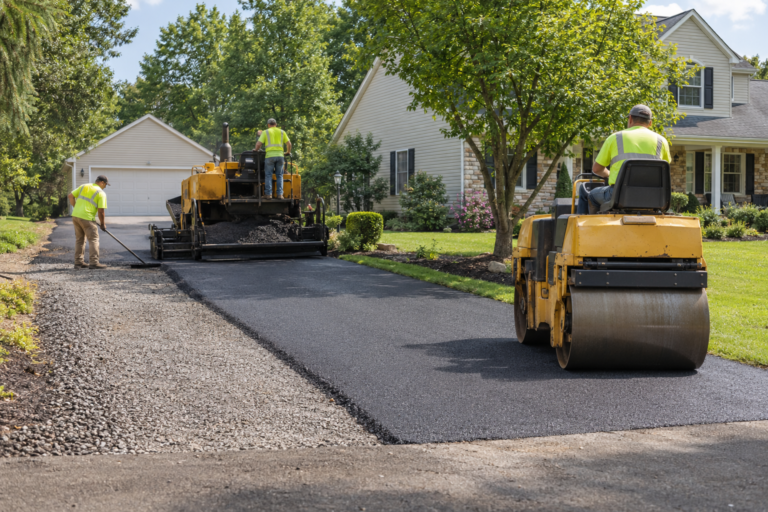
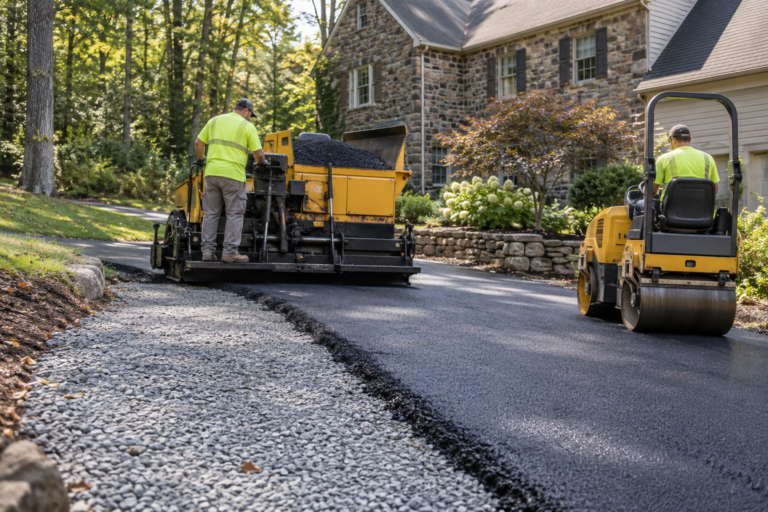
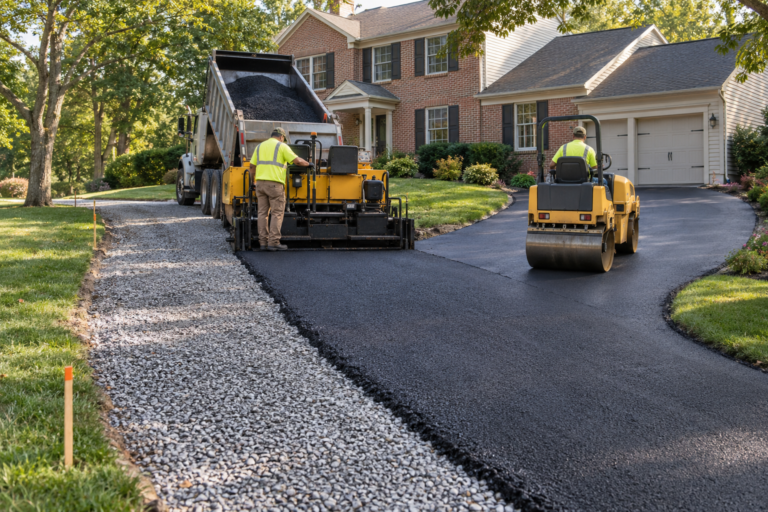
Asphalt is one of the most common driveway materials for residential properties. It provides a smooth, dark surface and is often preferred by homeowners who want a practical and cost-effective driveway.
Benefits of asphalt driveways include:
- Smooth blacktop appearance
- Often lower initial installation cost than concrete
- Good performance in cold-weather areas
- Flexible surface that can handle seasonal movement
- Easier repair options
- Faster installation in many cases
- Can be maintained with sealcoating
- Suitable for long driveways and larger surfaces
Asphalt is especially popular for homeowners who want a clean, functional driveway without the higher upfront investment that may come with concrete.
Concrete Driveway: Main Benefits
Concrete is another strong option for residential driveways. It provides a bright, clean look and can work well for homeowners who prefer a lighter-colored surface. Concrete can also be finished in different ways depending on the desired appearance.
Benefits of concrete driveways include:
- Clean and solid appearance
- Strong surface when properly installed
- Longer-lasting potential with proper care
- Less frequent surface sealing than asphalt in some cases
- Good option for certain decorative finishes
- Can add a polished look to the home exterior
Concrete may be a better choice for homeowners who prioritize a lighter surface, decorative options, or a different style from traditional blacktop.
Asphalt vs Concrete Driveway Cost
Cost is one of the biggest reasons homeowners compare asphalt and concrete. Many people search for “asphalt vs concrete driveway cost” or “is asphalt cheaper than concrete” before starting a project.
In many cases, asphalt has a lower upfront installation cost than concrete. This makes asphalt appealing for homeowners with larger driveways or those trying to keep the initial project budget more manageable. Concrete can cost more upfront, especially if the project includes thicker slabs, reinforcement, decorative finishes, or more complex preparation.
However, cost should not be judged only by installation price. Homeowners should also consider maintenance, repair costs, lifespan, and property conditions. A cheaper installation that is done poorly can become more expensive later. The best value comes from proper base preparation, correct installation, and a material that fits the property.
Which Is Cheaper: Asphalt or Concrete Driveway?
For many residential driveway projects, asphalt is often cheaper upfront than concrete. That is one reason blacktop driveways are common across Pennsylvania. Asphalt can be a smart choice for homeowners who want a durable driveway at a practical price.
Concrete may have a higher upfront cost, but some homeowners choose it for appearance, surface style, or long-term preferences. The right decision depends on the property and the homeowner’s goals.
A professional estimate from American Paving & Concrete can help compare both options for your specific driveway.
Asphalt vs Concrete in Pennsylvania Weather
Pennsylvania weather plays a major role in driveway performance. Driveways experience heat in summer, cold in winter, rain throughout the year, snow, ice, and salt exposure. These conditions can affect both asphalt and concrete.
Asphalt in Cold Weather
Asphalt has some flexibility, which can help it handle seasonal movement. It also absorbs heat from sunlight, which may help snow and ice melt faster than on lighter surfaces. However, asphalt still needs maintenance. Cracks should be filled, potholes repaired, and sealcoating applied when appropriate.
Concrete in Cold Weather
Concrete is strong, but freeze-thaw cycles, salt exposure, and surface moisture can affect it over time. If water enters cracks or joints and freezes, damage may occur. Proper installation, control joints, drainage, and maintenance are important.
Drainage Matters for Both
Whether you choose asphalt or concrete, drainage is critical. Water should move away from the driveway, garage, home, and foundation. Poor drainage can damage either material and shorten the life of the surface.
Maintenance Comparison
Asphalt and concrete have different maintenance needs. Understanding those needs can help homeowners choose the material they are more comfortable maintaining.
Asphalt Maintenance
Asphalt maintenance may include crack filling, sealcoating, pothole repair, edge repair, and resurfacing when needed. Sealcoating helps protect asphalt from sunlight, water, oil, and surface wear. Regular maintenance can help keep the driveway looking dark and clean.
Concrete Maintenance
Concrete maintenance may include cleaning, sealing, joint care, crack repair, and stain treatment. Concrete may not need sealcoating like asphalt, but it can still stain, crack, or surface-spall if neglected or exposed to harsh conditions.
Which Is Easier to Repair?
Asphalt is generally easier to repair than concrete. Cracks, potholes, and worn areas can often be patched or resurfaced. Concrete repairs can be more visible because matching the original color and finish may be difficult.
Appearance and Curb Appeal
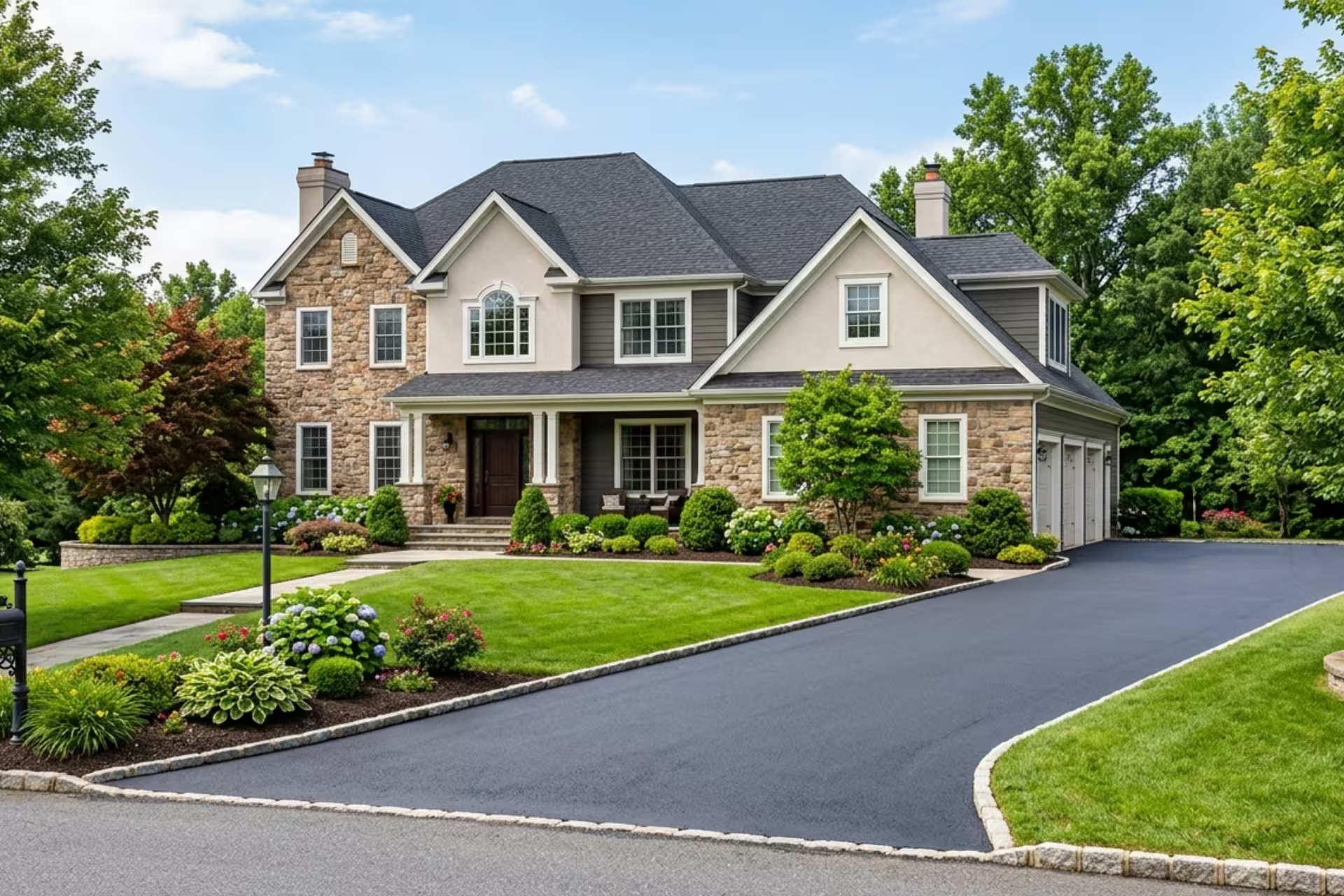
Appearance is a personal preference. Asphalt gives a rich blacktop look that creates contrast with lawns, landscaping, and home exteriors. It often gives a clean and uniform finish.
Concrete gives a lighter, brighter appearance and can match certain home styles better. It may also offer decorative finish options depending on the project.
If you prefer a traditional black driveway, asphalt may be the better choice. If you prefer a lighter or more decorative surface, concrete may be more appealing.
Lifespan and Long-Term Value
Both asphalt and concrete can last a long time when installed correctly and maintained properly. The lifespan depends on base preparation, drainage, material quality, installation, traffic, weather, and maintenance.
An asphalt driveway may require more regular surface maintenance, such as sealcoating and crack repair. A concrete driveway may have a higher upfront cost but can provide strong long-term performance if installed and maintained correctly.
Long-term value depends less on the material alone and more on the quality of workmanship. A properly installed asphalt driveway can outperform poorly installed concrete, and properly installed concrete can outperform poorly installed asphalt.
Which Is Better for Long Driveways?
For long driveways, asphalt is often a practical choice because of its lower upfront cost and smooth installation over larger areas. This can make asphalt more budget-friendly for homeowners with long rural driveways, extended private lanes, or larger parking areas.
Concrete can still be used for long driveways, but the cost may be higher. Some homeowners may choose a combination, such as asphalt for the main driveway and concrete for aprons, walkways, or specific high-use areas.
American Paving & Concrete can help determine whether asphalt, concrete, or a combination is best for your property.
Which Is Better for Heavy Vehicles?
If your driveway will regularly support heavy trucks, trailers, RVs, work vehicles, or equipment, the structure underneath the surface becomes especially important. Both asphalt and concrete can be designed for heavier loads, but the base preparation, thickness, and installation method must be appropriate.
A professional contractor should inspect the property and ask how the driveway will be used before recommending a material.
Asphalt vs Concrete: Quick Homeowner Comparison
Here is a simple comparison for Pennsylvania homeowners:
| Factor | Asphalt Driveway | Concrete Driveway |
| Upfront Cost | Often lower | Often higher |
| Appearance | Dark blacktop finish | Light, clean finish |
| Cold Weather | Performs well with maintenance | Needs proper joints and care |
| Repairs | Usually easier to patch | Repairs may be more visible |
| Maintenance | Sealcoating and crack repair | Cleaning, sealing, joint care |
| Best For | Cost-effective driveways, long driveways | Clean look, decorative options |
| Drainage Needs | Very important | Very important |
So, Which Is Better for Pennsylvania Homes?
There is no single answer for every home. Asphalt may be better if you want a cost-effective, smooth, flexible driveway with easier repair options. Concrete may be better if you prefer a lighter appearance, decorative finish options, and are comfortable with the higher upfront investment.
For many Pennsylvania homeowners, asphalt is a strong choice because it handles seasonal conditions well when installed and maintained properly. However, concrete can also be a great option for the right property.
The smartest decision is to have a local contractor inspect your driveway area, discuss your budget, and explain both options.
Choose American Paving & Concrete for Asphalt and Concrete Driveways
If you are comparing asphalt vs concrete for your driveway, American Paving & Concrete can help you choose the right solution. The company provides asphalt installation, residential asphalt paving, asphalt repair, asphalt maintenance, seal coating, commercial paving, and concrete paving throughout Pennsylvania.
Whether you want a new asphalt driveway, concrete paving, driveway repair, resurfacing, or long-term maintenance, the team can inspect your property and recommend the best option.
Call American Paving & Concrete: (610) 477-3553
Email: info@americanpavingandconcrete.com