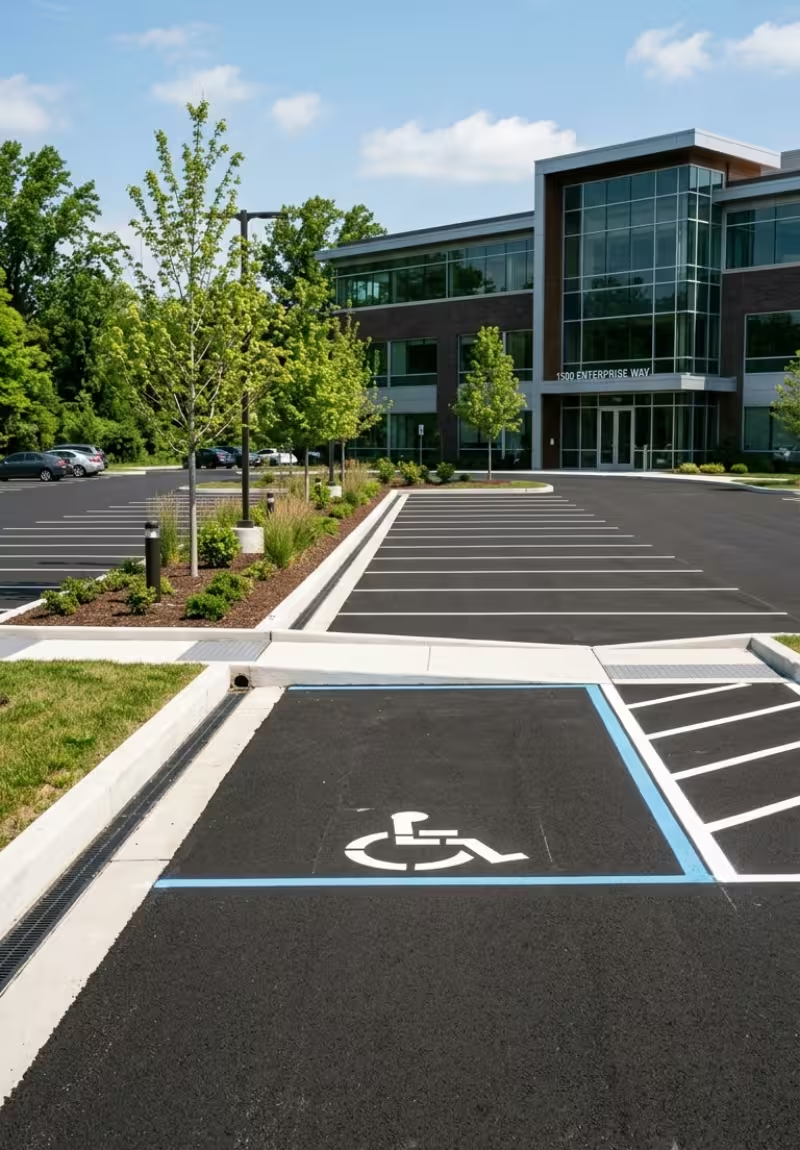
Asphalt milling and parking lot striping are frequently completed as part of the same pavement-improvement project, but they do not have the same lifespan.
Asphalt milling is a preparation process, not a finished surface with an independent service life. It removes a controlled depth of deteriorated asphalt so a new pavement layer can be installed. A properly designed mill-and-overlay project may provide approximately 10–15 years of service or longer, depending on the remaining pavement structure, drainage, traffic and maintenance.
Parking lot striping generally wears much faster. Conventional painted lines may need refreshing approximately every 12–24 months, although traffic, snowplowing, surface condition, paint type and weather exposure can shorten or extend that interval.
These figures are general planning ranges rather than guarantees. Every property should be evaluated individually.
American Paving & Concrete provides professional commercial paving services for parking lots, access roads, drive aisles and other asphalt surfaces throughout its Pennsylvania service area.
Asphalt Milling and Striping Have Different Functions
Understanding the difference between these services helps explain why their maintenance schedules are not the same.
Asphalt milling
Milling uses specialized equipment to remove a selected depth of existing asphalt.
It may be used to:
- Remove a deteriorated surface layer
- Prepare pavement for an asphalt overlay
- Correct limited elevation problems
- Improve transitions
- Remove rutted pavement
- Maintain curb exposure
- Prepare areas around drains
- Remove failed surface material
- Improve bonding for new asphalt
- Recycle removed asphalt material
The milling process creates a prepared surface. Its long-term performance depends on what happens next—usually repair, tack-coat application and installation of a new asphalt layer.
Parking lot striping
Striping creates visible pavement markings for:
- Parking spaces
- Accessible parking areas
- Access aisles
- Directional arrows
- Fire lanes
- Loading zones
- Crosswalks
- Stop bars
- Traffic lanes
- No-parking areas
- Reserved spaces
Striping is exposed directly to tires, sunlight, rain, snow, salt, sweeping and snowplows. It naturally wears faster than the underlying pavement.
How Long Does Milled and Resurfaced Asphalt Last?
A properly completed mill-and-overlay project may last approximately 10–15 years, and sometimes longer under favorable conditions.
The actual lifespan depends on:
- Depth of milling
- Condition of the remaining asphalt
- Base stability
- Overlay thickness
- Asphalt mixture
- Drainage
- Traffic volume
- Vehicle weight
- Turning and braking movements
- Installation temperature
- Compaction
- Pavement maintenance
Milling cannot correct every underlying defect. If the base or deeper pavement layers have failed, removing only the upper surface may not provide a lasting solution.
Professional parking lot paving should begin with an assessment of the entire pavement structure rather than the visible surface alone.
Milling Is Not the Same as Resurfacing
The terms are connected but should not be used interchangeably.
Milling removes existing pavement.
Resurfacing installs new asphalt over a prepared existing surface.
A typical mill-and-overlay sequence may include:
- Inspecting the pavement
- Identifying structural failures
- Repairing unstable areas
- Milling the selected depth
- Cleaning the milled surface
- Adjusting drains or utility covers
- Applying a tack coat
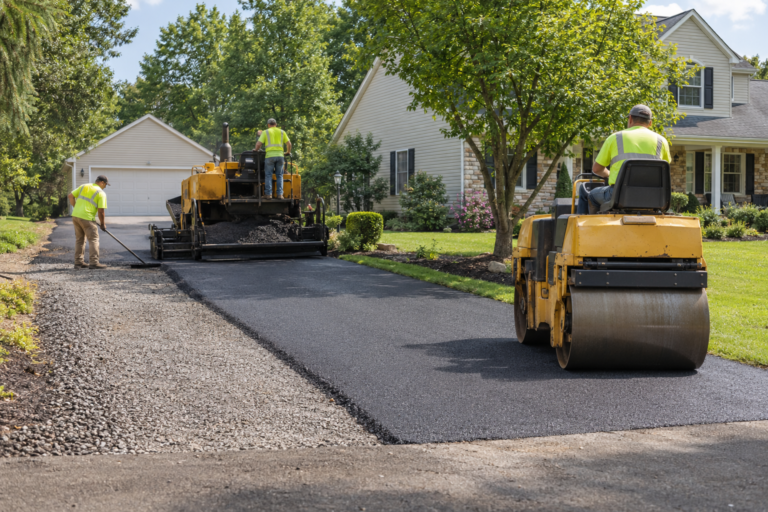
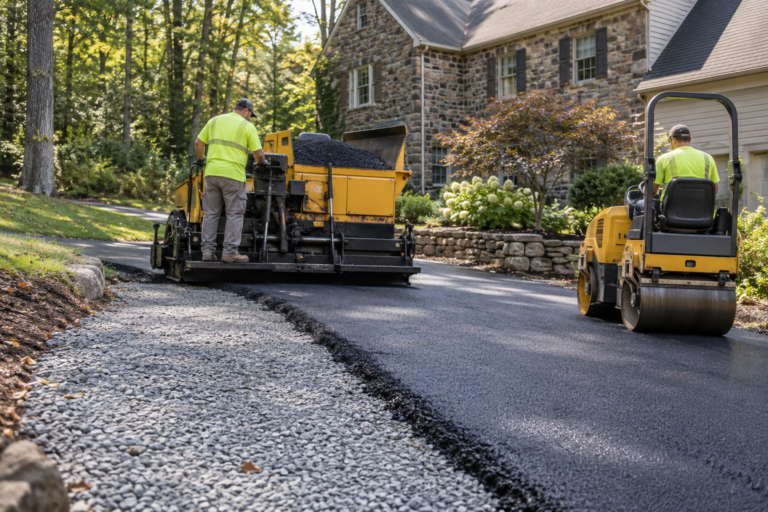
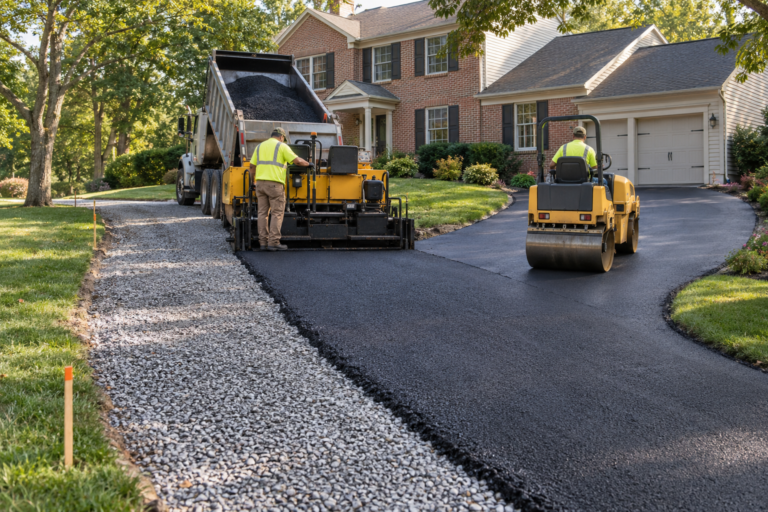
- Installing the asphalt overlay
- Compacting the new pavement
- Allowing suitable curing before striping
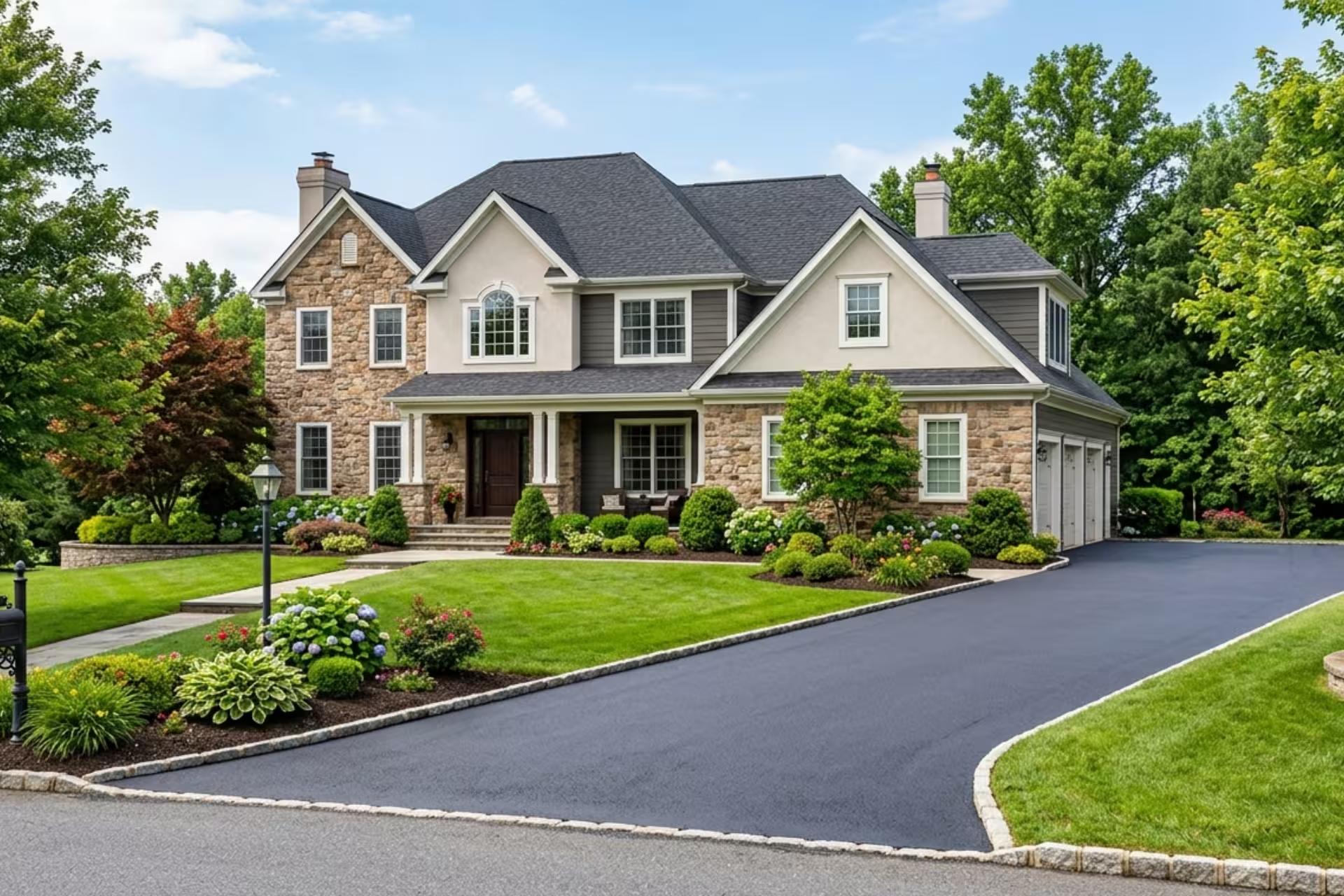
The completed asphalt overlay—not the milling operation—is what provides the renewed driving surface.
What Affects the Lifespan of a Mill-and-Overlay?
Condition of the underlying pavement
An overlay depends on the pavement beneath it.
If the remaining structure has:
- Extensive alligator cracking
- Deep rutting
- Base movement
- Severe settlement
- Recurring potholes
- Soft areas
- Water-related damage
- Failed utility cuts
those defects may eventually reflect through the new surface.
Structurally failed areas should be removed and rebuilt before resurfacing.
Milling depth
The appropriate milling depth depends on the type and depth of deterioration, existing pavement elevations and planned overlay thickness.
Milling too shallowly may leave failed material beneath the overlay. Excessive removal may expose deeper layers unnecessarily or change project requirements.
The contractor should select a depth based on actual pavement conditions.
Asphalt-overlay thickness
A parking lot used primarily by passenger vehicles may require different pavement construction from a loading area that supports delivery trucks, waste-removal vehicles or commercial equipment.
The overlay should account for:
- Traffic frequency
- Vehicle weight
- Turning movements
- Braking
- Existing pavement strength
- Expected service life
A thin cosmetic layer cannot be expected to correct significant structural deficiencies.
Tack coat and surface cleaning
After milling, the surface should be cleaned so loose material does not interfere with bonding.
A tack coat helps the new asphalt layer bond with the prepared pavement. Poor bonding can contribute to movement, slippage or separation between layers.
Compaction
New asphalt must be compacted while it remains within an appropriate working temperature range.
Proper compaction helps:
- Increase pavement density
- Improve load-bearing performance
- Reduce excessive air voids
- Limit water infiltration
- Create a smoother surface
- Improve long-term stability
Drainage
Water can shorten the life of any asphalt pavement system.
Poor drainage may contribute to:
- Standing water
- Base erosion
- Cracking
- Potholes
- Settlement
- Freeze-thaw damage
- Surface raveling
- Edge failure
Low areas and drainage problems should be addressed before or during milling and resurfacing whenever practical.
When Is Milling Appropriate?
Milling and resurfacing may be suitable when:
- The pavement base remains generally stable
- Surface wear is widespread
- Rutting is concentrated near the surface
- Elevations need adjustment
- Curb exposure must be maintained
- Existing transitions would be too high after a direct overlay
- Potholes and isolated failures can be repaired
- Drainage remains functional or can be corrected
- The pavement has sufficient structural value to preserve
Milling may be used across an entire parking lot or only in selected areas.
When Is Full-Depth Reconstruction Better?
Complete reconstruction may be more appropriate when the parking lot has:
- Widespread base failure
- Severe alligator cracking
- Extensive settlement
- Numerous recurring potholes
- Large soft areas
- Major drainage problems
- Failed pavement across most of the property
- Inadequate pavement construction for current traffic
- Significant redesign or elevation requirements
Reconstruction removes failed pavement and unsuitable supporting material so the base, grade and surface can be rebuilt.
Our asphalt-installation services address new pavement construction and complete replacement when resurfacing is not sufficient.
How Long Does Parking Lot Striping Last?
Conventional parking lot paint commonly remains effective for approximately 12–24 months. Some markings may remain visible longer, while heavily trafficked areas can require refreshing sooner.
Striping lifespan depends on:
- Paint or marking material
- Surface preparation
- Pavement age
- Pavement texture
- Traffic volume
- Vehicle turning
- Snowplow use
- Mechanical sweeping
- Sun exposure
- Rain and moisture
- Road salt
- Application thickness
- Drying conditions
- Oil and fuel exposure
The appropriate restriping schedule should be based on visibility and condition rather than the calendar alone.
Why Some Pavement Markings Wear Faster
Striping rarely fades at the same rate throughout an entire parking lot.
Faster wear commonly appears at:
- Entrances and exits
- Stop bars
- Crosswalks
- Drive aisles
- Turning areas
- Loading zones
- Accessible access aisles
- Cart-return areas
- High-occupancy parking rows
- Snow-storage locations
Lines beneath stationary parked vehicles may retain color longer than directional markings that receive constant tire contact.
Types of Pavement-Marking Materials
Different materials have different costs, application requirements and performance characteristics.
Water-based traffic paint
Water-based paint is commonly used for parking lots because it can provide:
- Clear markings
- Relatively quick drying
- Straightforward application
- Multiple color options
- Practical restriping
Its performance depends on weather, traffic and surface preparation.
Solvent-based paint
Where regulations and project conditions permit, solvent-based coatings may offer different drying and durability characteristics.
Compatibility with the pavement and previous coatings must be considered.
Thermoplastic markings
Thermoplastic is commonly associated with roadways and high-wear traffic applications. It may provide greater thickness and durability but requires specialized equipment and may not be necessary for every private parking lot.
Specialty markings
Some projects require specialized materials for:
- Accessible symbols
- Fire lanes
- Crosswalks
- High-traffic areas
- Reflective markings
- Warehouses
- Commercial loading areas
Material selection should reflect the property’s traffic, regulations and maintenance goals.
How Long After Paving Should Striping Be Applied?
Striping should be applied only after the pavement is ready to accept the selected marking material.
The appropriate waiting period depends on:
- Asphalt mixture
- Pavement temperature
- Weather
- Surface condition
- Paint specifications
- Contractor recommendations
- Project schedule
- Traffic-control needs
Applying markings to a surface that is too hot, dirty, wet or otherwise unsuitable can reduce adhesion and durability.
The paving and striping contractors should coordinate the reopening schedule.
Why Surface Preparation Matters for Striping
Paint bonds best to a clean and dry pavement surface.
Before striping, preparation may include:
- Removing loose aggregate
- Sweeping dirt
- Cleaning debris
- Removing vegetation
- Evaluating oil stains
- Removing incompatible loose paint
- Confirming that repairs have cured
- Allowing new pavement to become suitable
- Verifying dry weather
- Establishing the new layout
Poor surface preparation may cause premature peeling, flaking, uneven coverage or reduced visibility.
Can Existing Lines Be Repainted?
Existing markings can often be refreshed when the layout remains correct and the pavement is suitable.
Restriping may involve:
- Cleaning the surface
- Confirming measurements
- Aligning new paint with existing markings
- Repainting symbols
- Refreshing arrows and stop bars
- Renewing accessible spaces
- Correcting visibly worn sections
If the layout needs to change, old markings may require removal, covering or surface treatment. Painting conflicting lines over one another can confuse drivers and pedestrians.
When Should a Parking Lot Be Restriped?
Consider restriping when:
- Parking-space lines are difficult to see
- Accessible markings have faded
- Directional arrows are unclear
- Stop bars are worn
- Fire-lane markings are no longer visible
- Drivers park inconsistently
- The parking layout has changed
- Pavement repairs disrupted markings
- Sealcoating covered the existing layout
- A new asphalt surface has been installed
- Property-management or regulatory requirements call for renewal
Regular inspections help property owners plan work before markings become ineffective.
Striping After Sealcoating
Sealcoating covers existing pavement markings, so the parking lot normally needs to be restriped after the coating has dried and cured sufficiently.
A coordinated asphalt-maintenance program may include:
- Pavement inspection
- Crack treatment
- Pothole repair
- Failed-area repair
- Sealcoating
- Restriping
- Drainage checks
- Future resurfacing planning
The work should be sequenced properly. Applying new striping immediately before sealcoating would result in the markings being covered.
Asphalt Repair Before Milling or Striping
Neither an overlay nor new paint should hide unresolved pavement failure.
Before milling, resurfacing or striping, inspect the property for:
- Potholes
- Alligator cracking
- Depressions
- Broken edges
- Failed utility cuts
- Drainage problems
- Loose pavement
- Surface contamination
- Unstable loading areas
Localized asphalt repair can preserve surrounding pavement that remains structurally sound.
Paint improves organization and visibility; it does not correct pavement damage.
Pennsylvania Weather and Pavement Longevity
Pennsylvania parking lots experience:
- Summer heat
- Ultraviolet exposure
- Heavy rainfall
- Freezing temperatures
- Snow and ice
- Road salt
- Freeze-thaw cycles
- Snowplow activity
Water entering cracks can weaken the pavement structure. When trapped water freezes, expansion can worsen existing damage.
Snowplows can scrape painted markings and catch damaged pavement edges. Salt and winter debris can also accelerate visible wear.
Our guide to asphalt milling and striping in cold weather explains how temperature, precipitation and material requirements affect scheduling.
How to Extend the Life of Resurfaced Asphalt
Property owners can help protect a mill-and-overlay project by:
- Inspecting the pavement regularly
- Treating appropriate cracks
- Repairing potholes promptly
- Maintaining drains and runoff paths
- Cleaning oil and fuel spills
- Protecting pavement edges
- Avoiding unnecessary heavy loads
- Correcting recurring standing water
- Using careful snow-removal practices
- Planning preventive maintenance
- Monitoring high-stress loading areas
Maintenance cannot make pavement permanent, but it can help prevent small defects from developing into widespread failure.
How to Extend the Life of Parking Lot Striping
To preserve pavement markings:
- Allow paint to dry fully before reopening
- Apply markings during suitable weather
- Clean the pavement before application
- Use traffic-appropriate marking materials
- Avoid aggressive mechanical scraping
- Maintain the underlying asphalt
- Repair oil-contaminated areas
- Coordinate snowplow operations
- Inspect high-traffic markings more frequently
- Refresh faded safety markings promptly
High-wear markings may require attention before lower-traffic parking-space lines.
What Affects Milling and Striping Cost?
Project pricing depends on site conditions and scope.
Milling and paving factors
- Total pavement area
- Milling depth
- Existing pavement condition
- Failed-area repairs
- Asphalt-overlay thickness
- Drainage correction
- Utility adjustments
- Property access
- Traffic requirements
- Number of construction phases
- Disposal and recycling logistics
- Required transitions
Striping factors
- Number of parking spaces
- Layout complexity
- Line length
- Accessible symbols
- Crosswalks
- Directional arrows
- Fire lanes
- Loading zones
- Surface cleaning
- Old-marking removal
- Paint type
- Traffic-control requirements
- Phased work
An on-site assessment provides a more accurate estimate than a general unit price that does not account for pavement condition or layout.
Planning Commercial Pavement Work
Commercial projects may need to preserve access for:
- Customers
- Employees
- Tenants
- Deliveries
- Emergency services
- Waste removal
- Loading operations
When site conditions permit, milling, paving and striping may be completed in phases.
A project plan should address:
- Pavement evaluation
- Repairs and drainage
- Milling limits
- Asphalt placement
- Cooling and curing
- Striping layout
- Drying time
- Traffic reopening
Clear sequencing reduces disruption and protects completed work.
Request a Commercial Pavement Assessment
If your parking lot has worn asphalt, ruts, potholes or faded markings, American Paving & Concrete can inspect the property and explain suitable options.
Depending on its condition, the recommended work may include repair, milling and resurfacing, reconstruction, maintenance or restriping coordination.
Call: (610) 477-3553
Email: info@americanpavingandconcrete.com
Address: 2114 Dublin Pike, Quakertown, PA 18951
Online: Request a free paving estimate