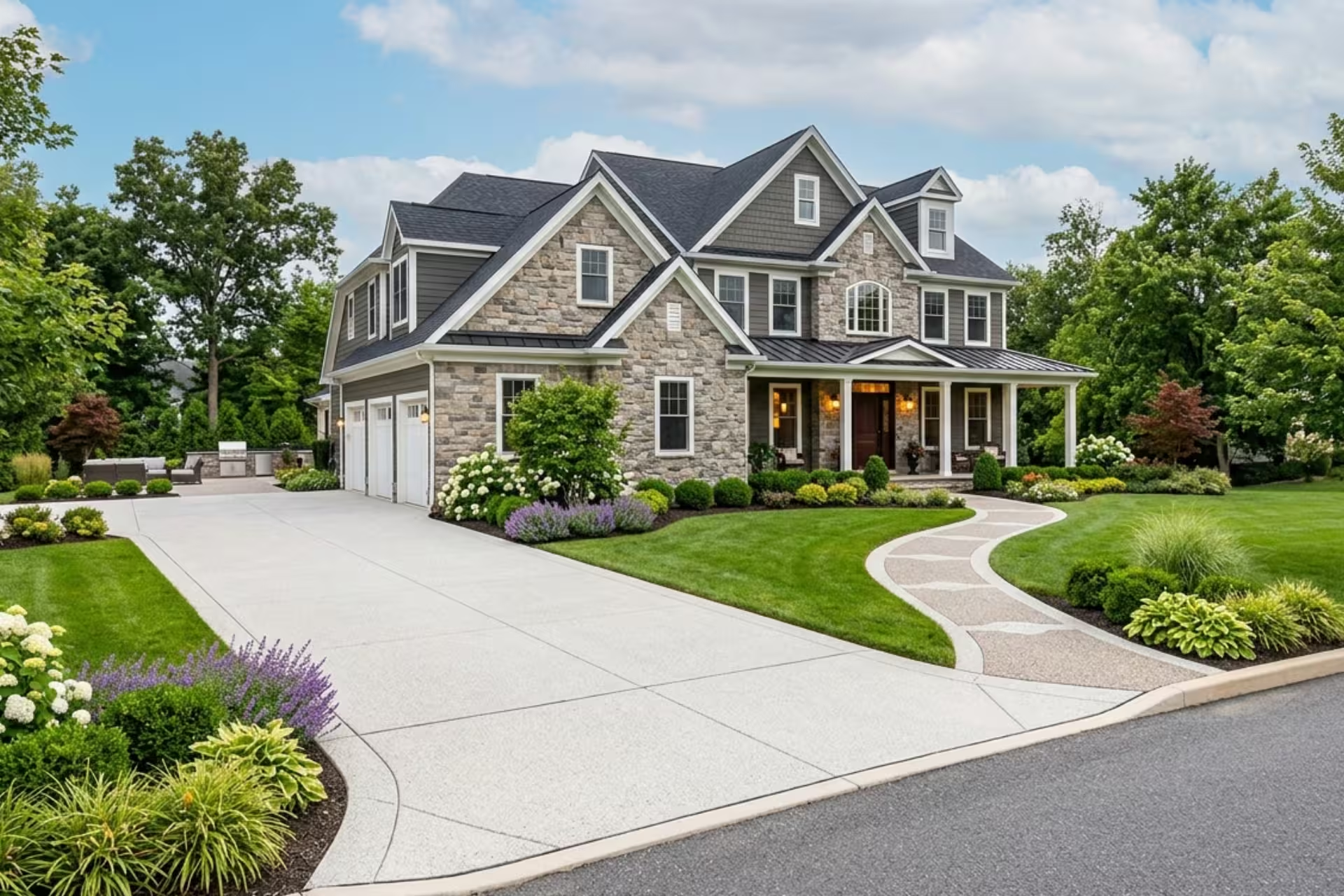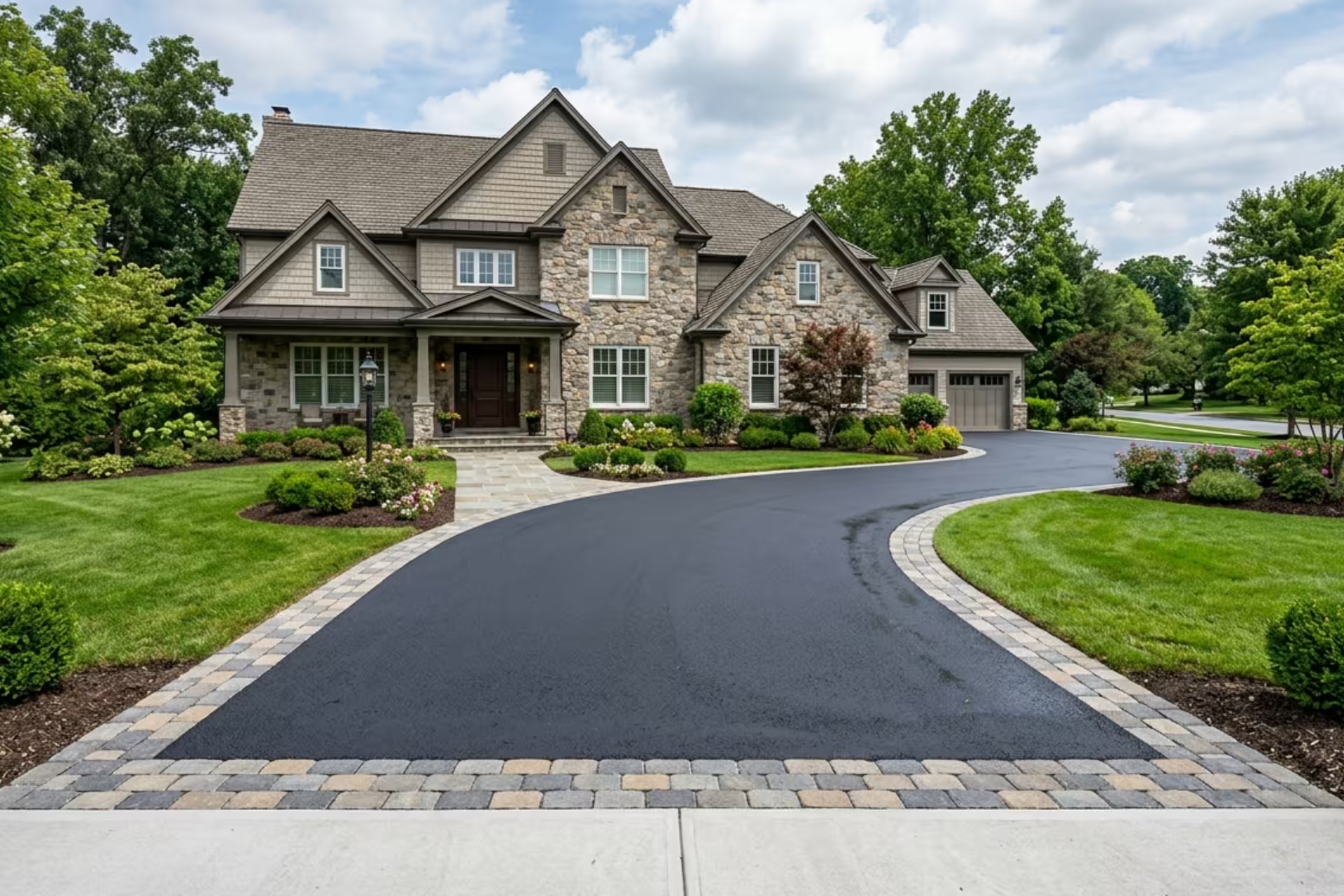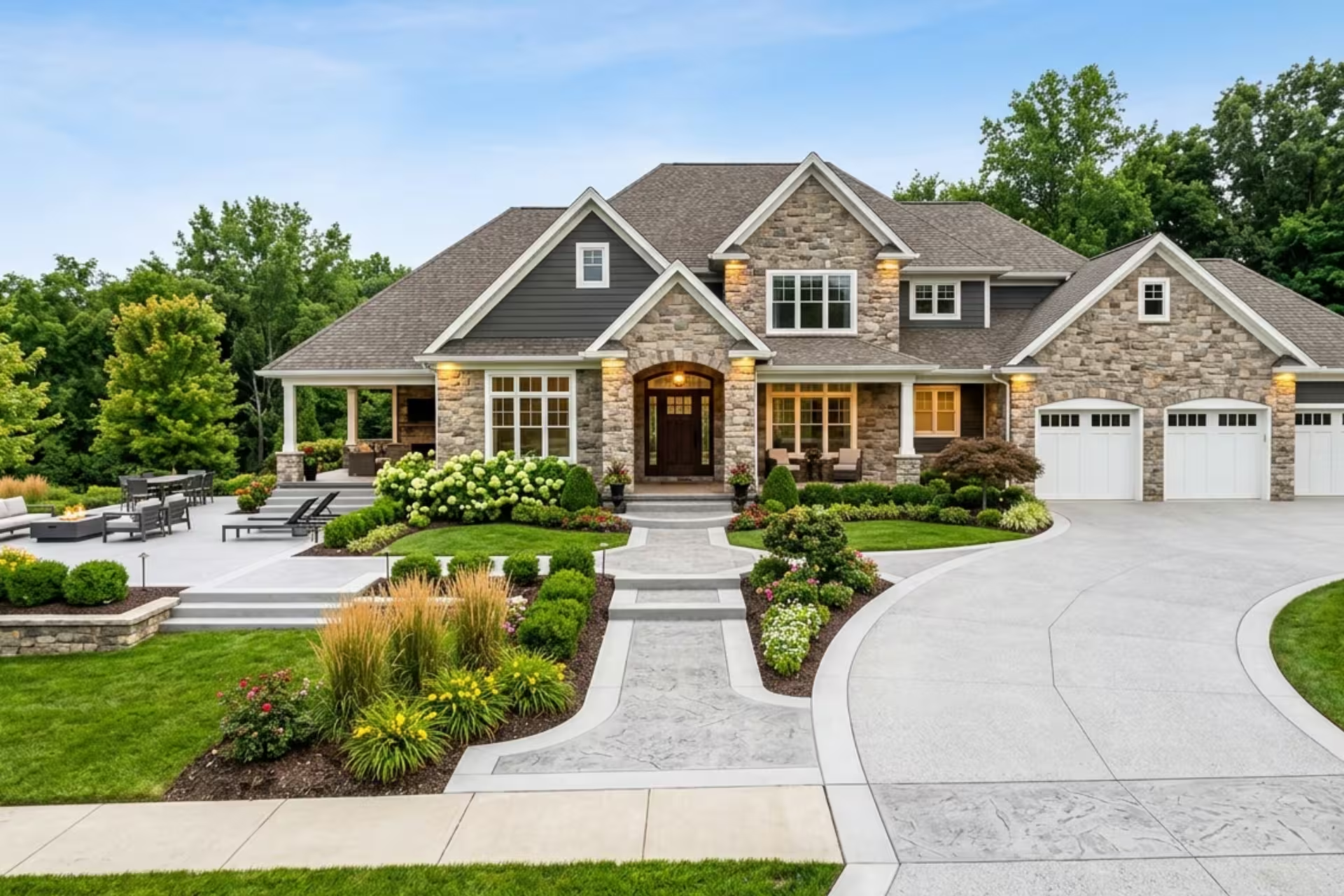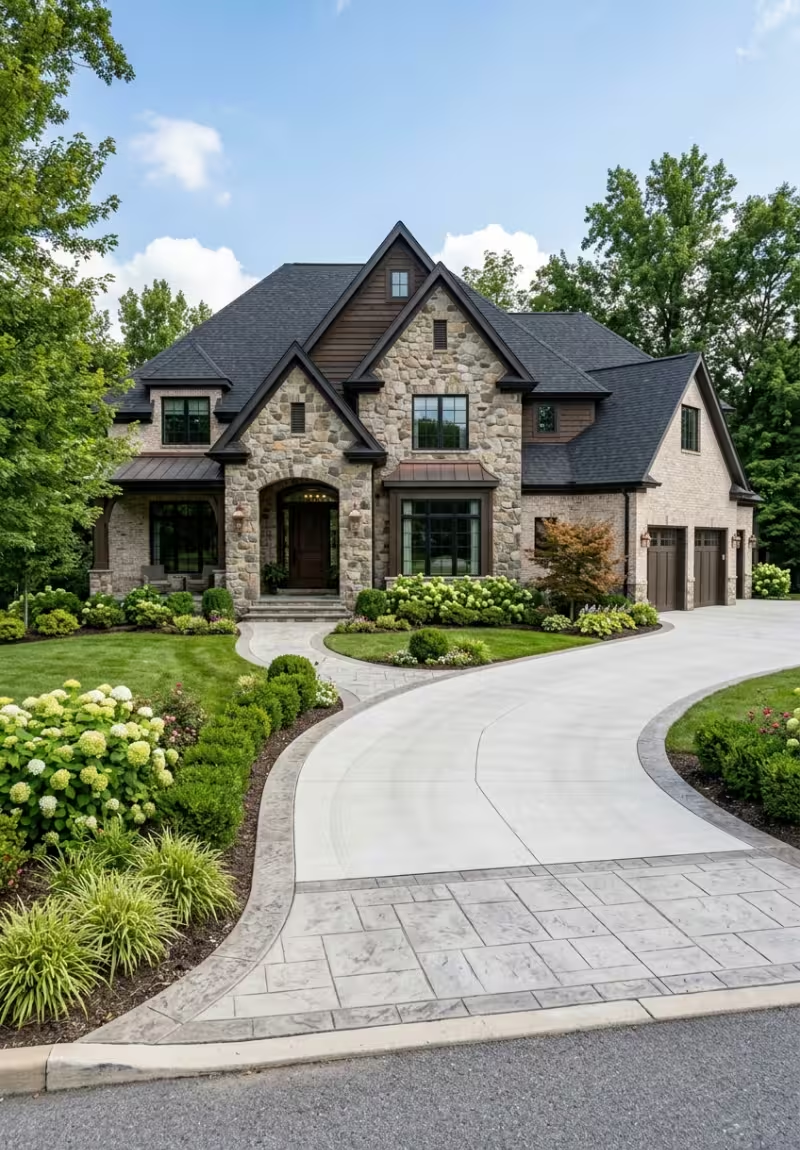
For many homeowners, the driveway is one of the most important exterior features of the property. It is used every day, it affects curb appeal, and it plays a major role in safe vehicle access. When properly installed, residential asphalt paving gives homeowners a smooth, durable, and attractive surface that can handle daily traffic, seasonal weather, and long-term use.
If your current driveway is cracked, faded, uneven, or difficult to maintain, residential asphalt may be the right solution. Asphalt is a popular driveway material because it provides a clean blacktop appearance, reliable performance, and practical value for Pennsylvania homes. Whether you need a new driveway, driveway replacement, resurfacing, repair, or sealcoating, understanding the basics can help you make a better decision.
American Paving & Concrete provides residential asphalt paving, asphalt installation, asphalt repair, asphalt maintenance, seal coating, commercial paving, and concrete paving throughout Pennsylvania. This guide explains what homeowners should know before starting a residential asphalt project.
What Is Residential Asphalt Paving?
Residential asphalt paving is the process of installing or repairing asphalt surfaces for home properties. The most common residential asphalt project is a driveway, but asphalt can also be used for private lanes, small parking areas, walkways, and access surfaces around a home.
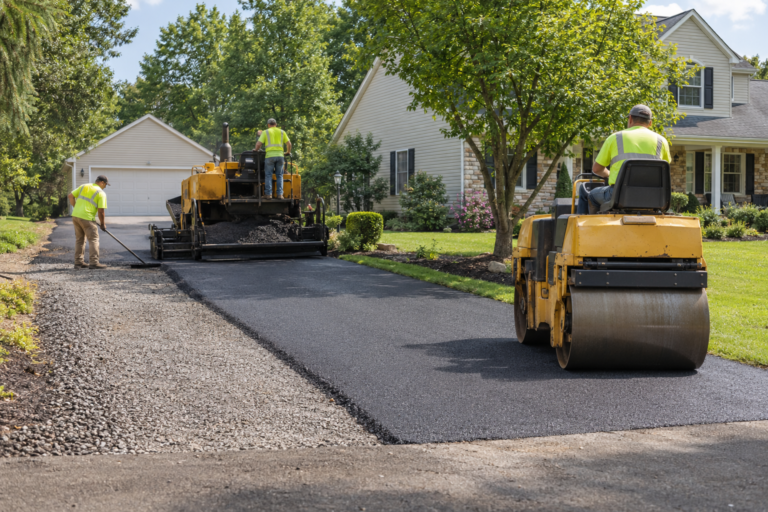
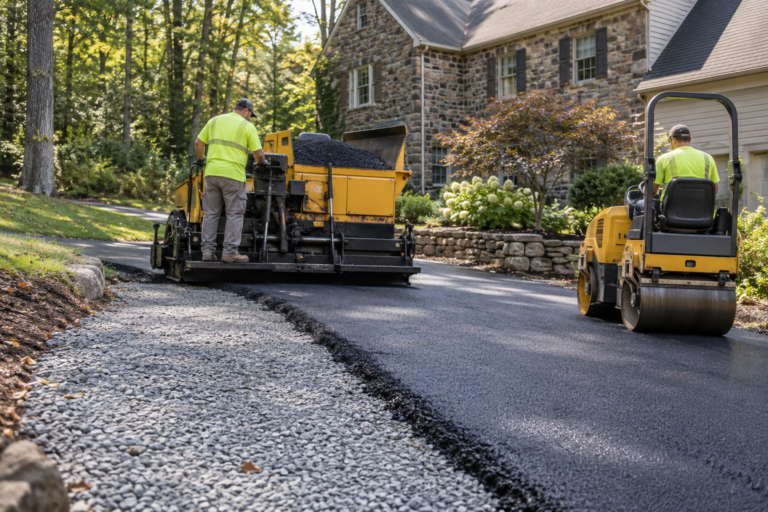
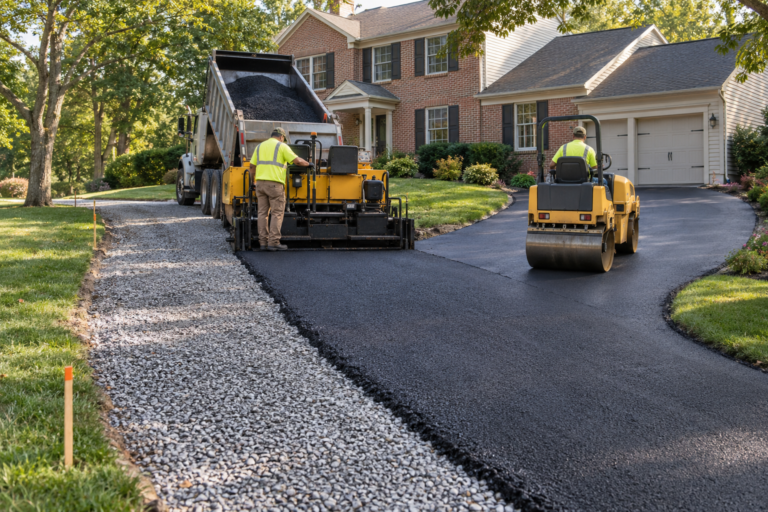
A residential asphalt driveway is built using a prepared base and a compacted asphalt surface. The base supports the driveway, while the asphalt layer provides the smooth finished surface. Both parts matter. If the base is weak, the driveway may crack or sink. If the asphalt is installed too thin or poorly compacted, it may wear out sooner than expected.
A professional asphalt contractor should inspect the property, check drainage, prepare the base, and install the asphalt correctly for long-term performance.
Why Homeowners Choose Asphalt Driveways
Homeowners choose asphalt driveways for several reasons. Asphalt is practical, smooth, attractive, and well-suited for many residential properties. It gives the front of a home a clean, finished look and can often be installed more efficiently than some other driveway materials.
Benefits of residential asphalt paving include:
- Smooth driving and parking surface
- Strong curb appeal
- Cost-effective driveway option
- Good performance in changing weather
- Easier repair compared with some materials
- Suitable for small and large driveways
- Can be maintained with sealcoating
- Clean blacktop finish
For Pennsylvania homeowners, asphalt is especially useful because it performs well when properly installed and maintained through seasonal changes.
Residential Asphalt Paving Near Me: Why Local Experience Matters
When homeowners search for “residential asphalt paving near me,” they are usually looking for a contractor who understands local driveway conditions. Pennsylvania driveways deal with rain, snow, ice, heat, and freeze-thaw cycles. These weather changes can affect asphalt over time, especially if water gets into cracks or the base is not prepared correctly.
A local asphalt paving contractor understands these conditions and can recommend the right approach for your property. Local experience also matters for grading, drainage, soil conditions, and driveway layout. A driveway that drains properly will usually last longer than one where water sits on the surface or runs toward the home.
American Paving & Concrete works with homeowners throughout Pennsylvania and provides residential asphalt services designed for local property needs.
Signs You May Need a New Asphalt Driveway
Not every driveway needs full replacement. However, there are signs that indicate your driveway may be reaching the end of its useful life. If the surface has serious damage or the base underneath has failed, a new driveway may be more cost-effective than repeated repairs.
You may need new residential asphalt paving if you notice:
- Large cracks across the driveway
- Deep potholes
- Sinking or uneven areas
- Water pooling after rain
- Loose or crumbling asphalt
- Broken driveway edges
- Severe surface fading
- Drainage problems
- Multiple failed patches
- Rough or unsafe driving surface
A professional inspection can help determine whether repair, resurfacing, or full replacement is best.
Asphalt Driveway Repair vs Replacement
One of the biggest questions homeowners ask is whether they should repair or replace their driveway. The right answer depends on the condition of the surface and base.
Asphalt Driveway Repair
Repair may be suitable when damage is limited to smaller areas. Common repairs include crack filling, pothole patching, edge repair, and low spot correction. If the driveway base is still stable, repair can be a practical and affordable solution.
Asphalt Driveway Resurfacing
Resurfacing may be recommended when the driveway surface is worn but the base is still strong. A new asphalt layer is installed over the existing surface after proper preparation. This gives the driveway a fresh appearance without removing the entire pavement structure.
Asphalt Driveway Replacement
Replacement is usually needed when there is widespread cracking, major potholes, drainage failure, or base problems. This may involve removing the old asphalt, preparing a new base, correcting drainage, and installing fresh asphalt.
American Paving & Concrete can inspect your driveway and recommend the best option based on condition, budget, and long-term value.
How Thick Should a Residential Asphalt Driveway Be?
Homeowners often ask, “How thick should a residential asphalt driveway be?” The answer depends on the driveway’s use, base condition, soil, and expected traffic. A driveway used only for passenger vehicles may not need the same structure as a driveway used by heavier trucks, trailers, or work vehicles.
A professional contractor will recommend the right asphalt depth and base preparation for the property. Thickness matters, but it is not the only factor. A properly compacted base is just as important as the asphalt layer itself. A thick asphalt layer over a weak base can still fail early.
The best driveway is built as a complete system: stable base, proper grading, correct asphalt thickness, and good compaction.
The Importance of Base Preparation
Base preparation is one of the most important parts of residential asphalt paving. The base supports the asphalt surface and helps prevent cracking, sinking, and premature failure.
Proper base preparation may include:
- Removing old pavement
- Excavating soft areas
- Installing crushed stone
- Compacting the base
- Correcting slope and grade
- Improving drainage
- Preparing clean edges
A driveway that looks smooth on the surface can still fail if the base underneath is weak. That is why homeowners should always ask their contractor how the base will be prepared before paving begins.
Drainage and Grading for Asphalt Driveways
Good drainage is essential for long-lasting asphalt. Water is one of the biggest causes of driveway damage. If water sits on the surface, enters cracks, or flows under the pavement, it can weaken the base and cause potholes, cracks, or sinking.
A properly graded driveway should direct water away from the home, garage, and foundation. The contractor should check the slope of the driveway and identify any low spots before installation.
Drainage planning is especially important for sloped driveways, long driveways, and properties where water already collects after rain.
How Long Does It Take to Asphalt a Driveway?
The time required for residential asphalt paving depends on driveway size, preparation needs, weather, and project complexity. A small driveway with good access may be completed faster than a large driveway that needs excavation, base repair, drainage correction, or old pavement removal.
Homeowners should also remember that new asphalt needs time before regular use. Your contractor will explain when it is safe to walk, park, or drive on the surface. Following these instructions helps protect the new driveway during the early curing period.
Do You Need a Permit to Asphalt a Driveway?
Permit requirements can vary depending on your township, borough, city, or local municipality. Some areas may require permits for driveway installation, widening, apron work, drainage changes, or work near public roads.
Before starting a project, homeowners should check local requirements or ask their contractor for guidance. A local paving company is often familiar with general municipal expectations in the areas they serve.
Residential Asphalt Maintenance
Once your driveway is installed, maintenance helps protect it. Asphalt maintenance can extend the life of the driveway and reduce the need for larger repairs.
Common maintenance services include:
- Crack filling
- Sealcoating
- Pothole repair
- Edge repair
- Cleaning debris
- Fixing drainage issues
- Inspecting the surface regularly
Sealcoating is especially helpful for driveways that are still in good condition but beginning to fade or dry out. It helps protect the asphalt from sunlight, water, oil, and surface wear.
Choosing Residential Asphalt Paving Contractors Near Me
When searching for “residential asphalt paving contractors near me,” choose a contractor that understands driveways, not just general paving. Residential paving requires attention to garage transitions, street connections, grading, property access, and curb appeal.
Before hiring a contractor, ask:
- Do you specialize in residential asphalt paving?
- Will you inspect the driveway first?
- Do I need repair, resurfacing, or replacement?
- How will you prepare the base?
- How will drainage be handled?
- What asphalt thickness do you recommend?
- Do you offer sealcoating and maintenance?
- Will I receive a clear written estimate?
A reliable contractor should explain the process clearly and recommend the right solution for your property.
Get Residential Asphalt Paving in Pennsylvania
If your driveway is cracked, faded, uneven, or ready for replacement, American Paving & Concrete can help. The company provides residential asphalt paving, asphalt installation, asphalt repair, asphalt maintenance, seal coating, commercial paving, and concrete paving throughout Pennsylvania.
Whether you need a new asphalt driveway, driveway repair, resurfacing, or long-term maintenance, the team can inspect your property and recommend the right service.
Call American Paving & Concrete: (610) 477-3553
Email: info@americanpavingandconcrete.com