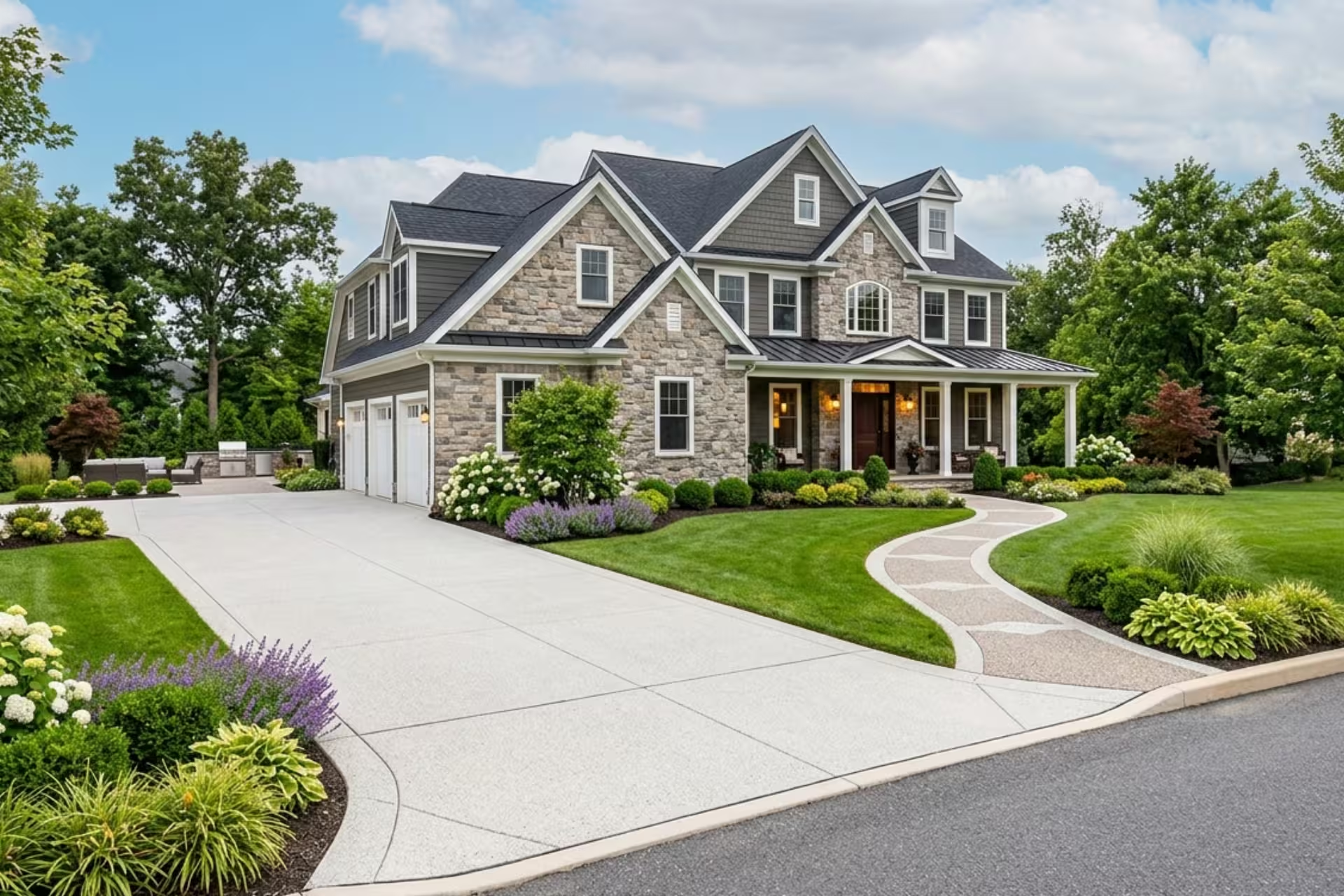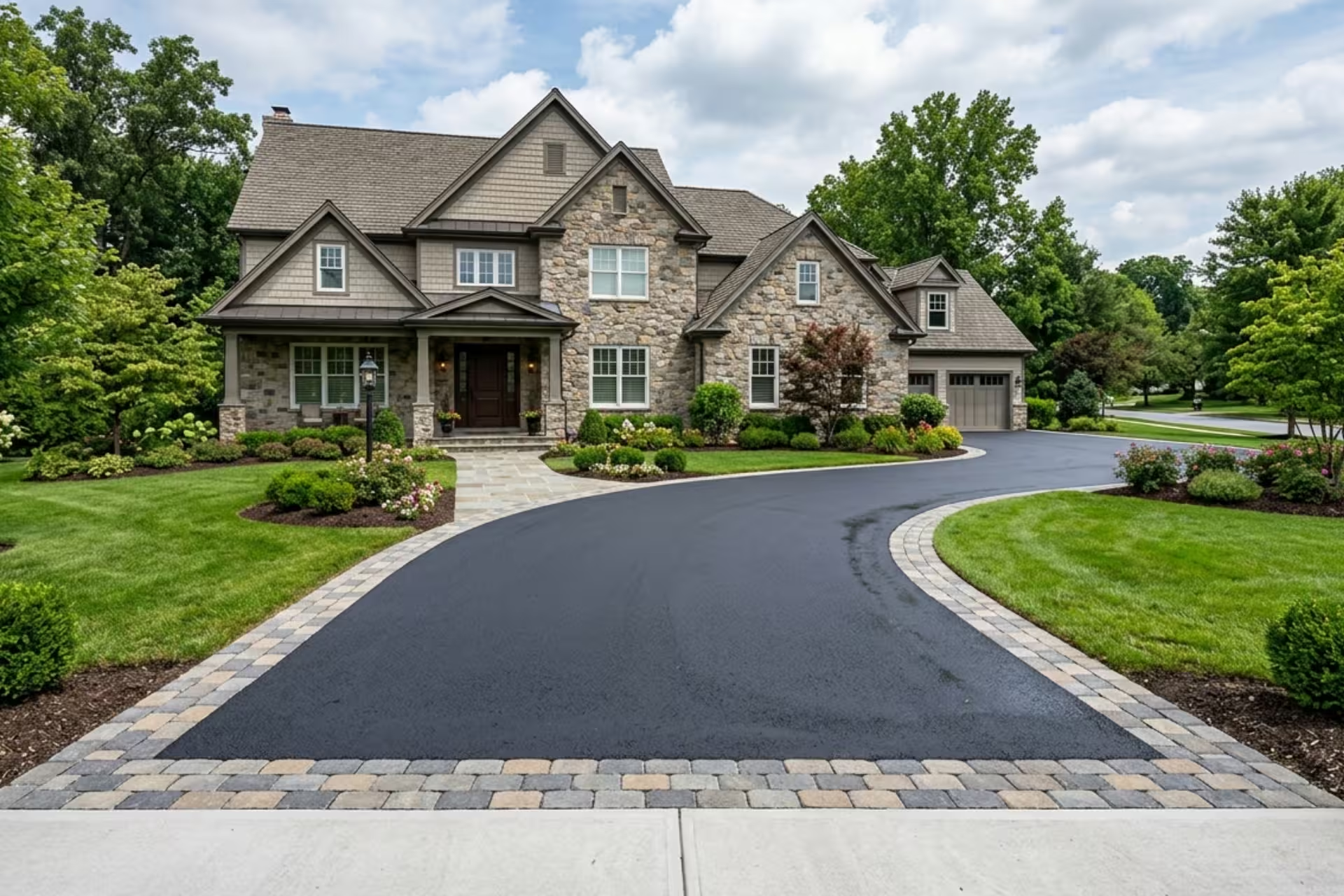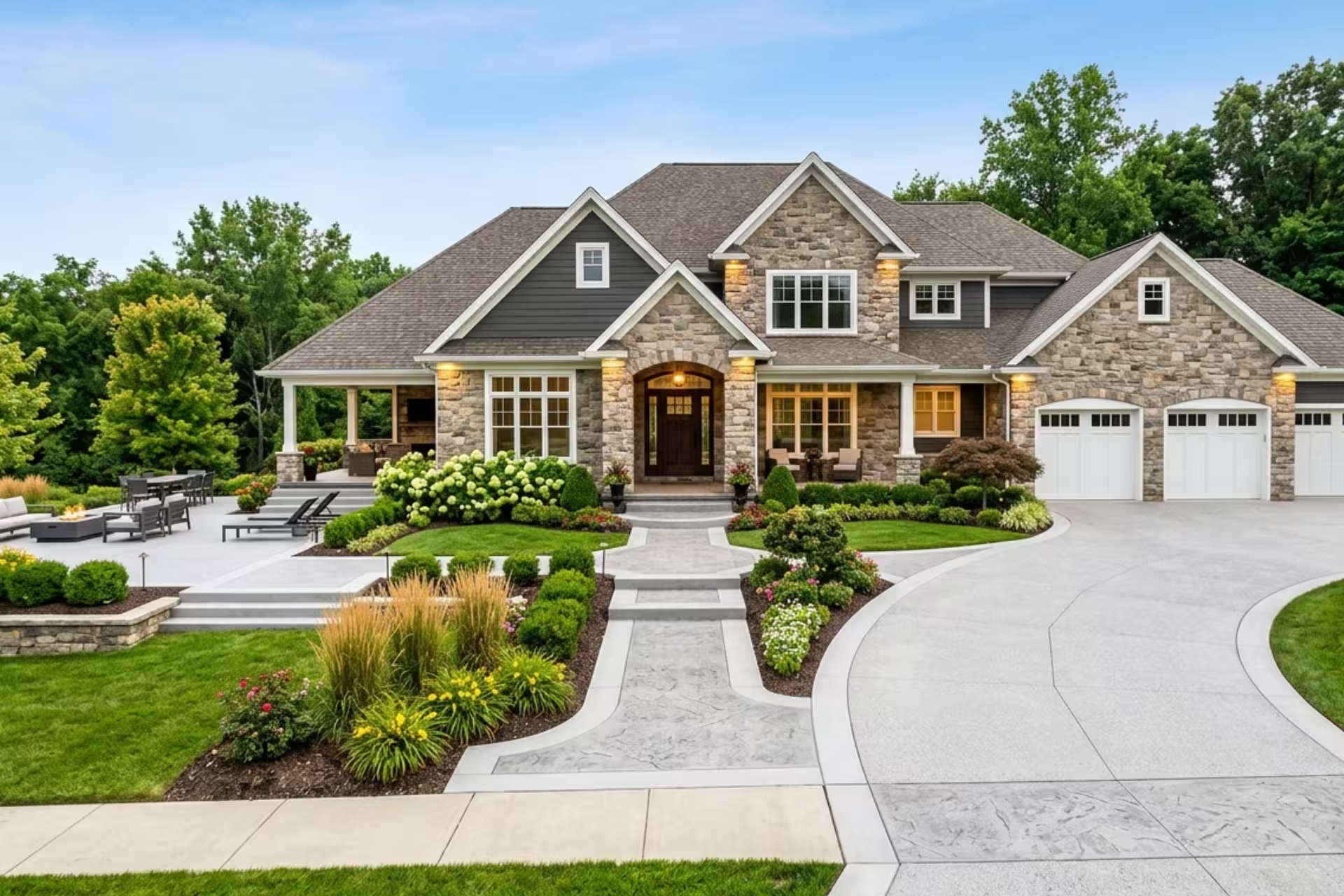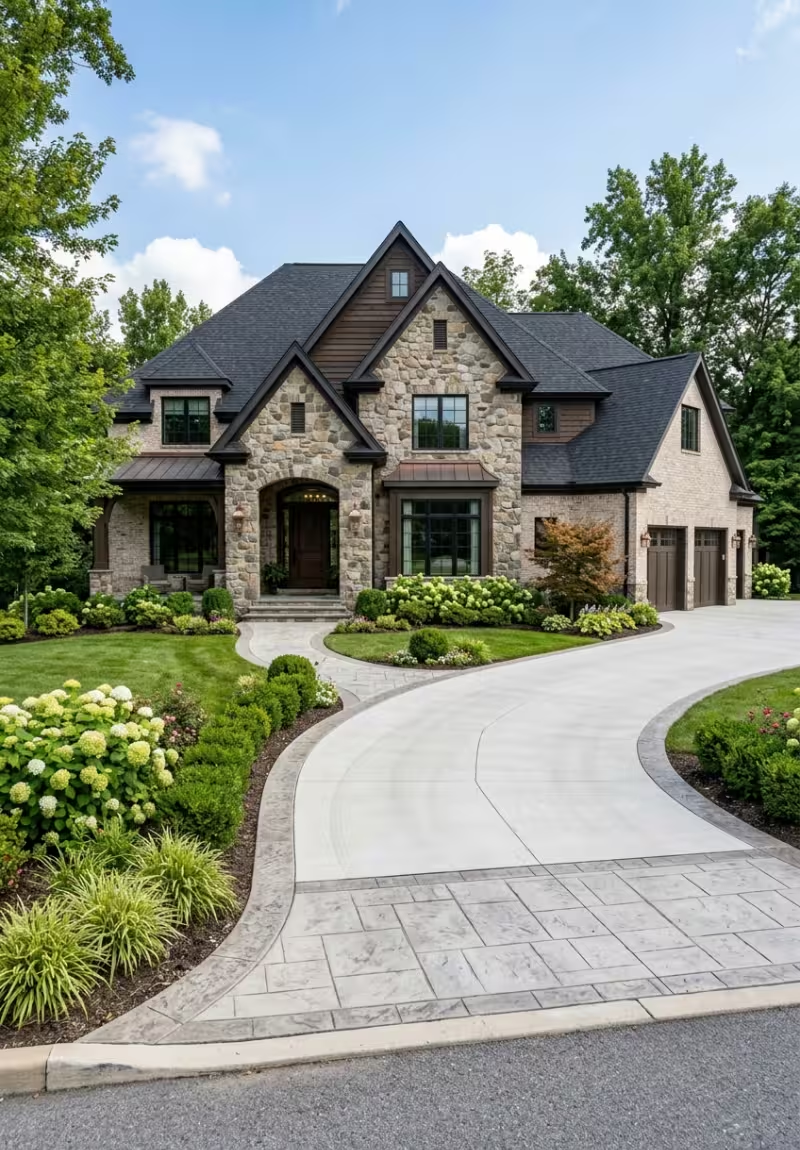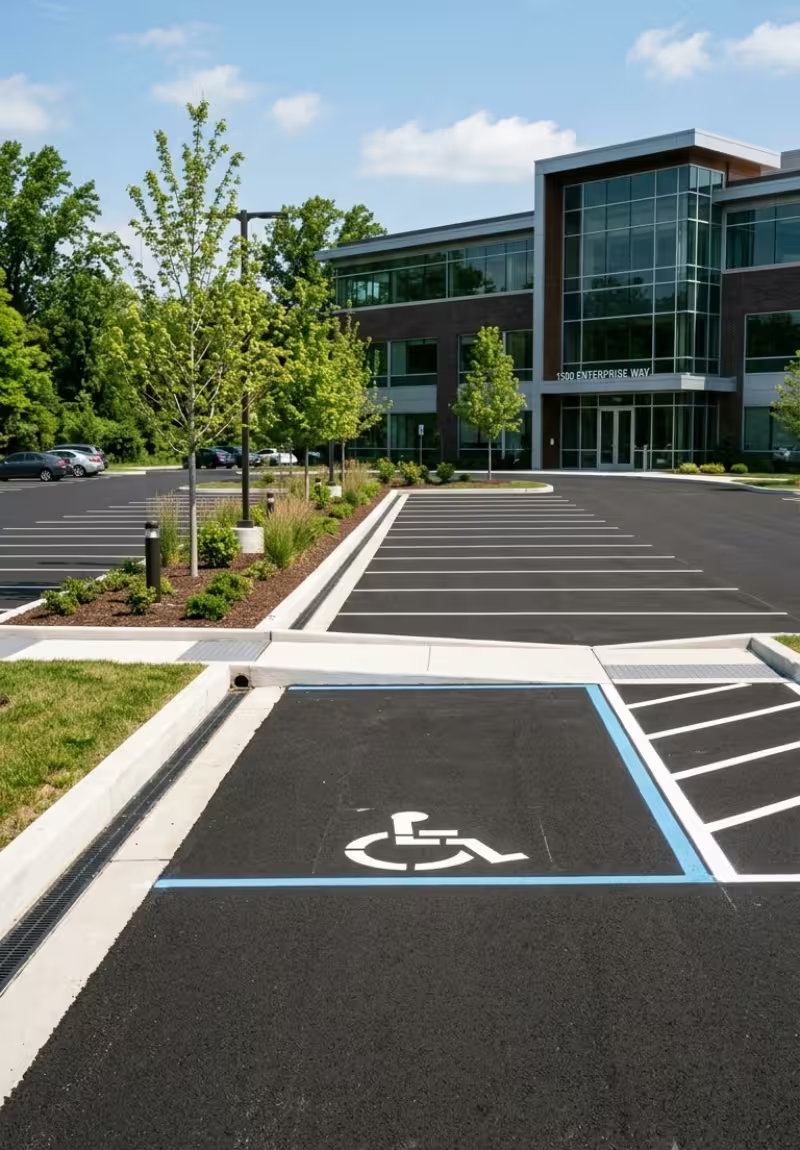
Coopersburg properties include established homes, commercial locations, private lanes and nearby rural properties with different pavement layouts and maintenance requirements. Although every asphalt surface ages differently, sunlight, water, road salt, vehicle traffic and seasonal temperature changes can gradually affect its appearance and condition.
Sealcoating applies a protective coating over structurally stable asphalt. When the pavement is properly prepared and the treatment is applied under suitable conditions, sealcoating may reduce direct weather exposure, restore a darker appearance and support an organized maintenance program.
American Paving & Concrete provides professional asphalt sealcoating for eligible residential and commercial surfaces in Coopersburg and surrounding southern Lehigh County communities.
We inspect the pavement before recommending treatment because sealcoating protects suitable asphalt—it does not correct structural failure.
Sealcoating Services for Coopersburg Properties
Sealcoating requirements depend on the type, condition and use of the paved surface.
Our services may include:
- Residential driveway sealcoating
- Commercial parking lot sealcoating
- Private-lane sealcoating
- Apartment parking-area maintenance
- Retail and office pavement
- Church and institutional parking areas
- Surface inspection
- Asphalt cleaning
- Vegetation removal
- Oil-stain preparation
- Eligible crack treatment
- Edge preparation
- Sealcoat application
- Commercial project phasing
- Curing and reopening instructions
- Future maintenance recommendations
Property owners can also explore our complete Coopersburg paving services when the pavement requires more than preventive surface treatment.
How Sealcoating Protects Asphalt
As asphalt ages, oxidation and ultraviolet exposure can gradually dry the pavement’s surface. Weathered asphalt commonly changes from black to gray and may begin revealing more aggregate.
Sealcoating creates a protective surface layer that may help:
- Reduce direct ultraviolet exposure
- Limit direct contact with rain and melting snow
- Slow surface oxidation
- Improve resistance to certain automotive fluids
- Restore a consistent dark appearance
- Make new parking-lot markings more visible
- Simplify routine surface cleaning
- Support long-term maintenance planning
The coating protects the upper surface. It cannot strengthen an unstable aggregate base or restore asphalt that is already breaking apart.
Is Your Asphalt Suitable for Sealcoating?
A pavement assessment should consider more than surface color.
Asphalt may be suitable for sealcoating when:
- The supporting base remains stable
- The surface is generally firm
- Drainage is functional
- Potholes have been repaired
- Eligible cracks have been treated
- Loose material can be removed
- Previous coatings remain properly bonded
- Pavement edges are reasonably stable
- The surface can be thoroughly cleaned
- Structural deterioration is limited
A faded driveway is not automatically ready for sealcoating. Its cracks, drainage, edges and supporting structure should also be evaluated.
When Sealcoating Is Not the Correct Treatment
Sealcoating should not be used to hide serious pavement problems.
It cannot repair:
- Potholes
- Alligator cracking
- Deep structural cracks
- Base failure
- Severe settlement
- Large depressions
- Drainage problems
- Widespread loose aggregate
- Broken pavement edges
- Frost-related movement
- Soft or unstable sections
- Extensive pavement breakup
These conditions may require professional asphalt repair, resurfacing or complete replacement.
Applying a coating over failed asphalt may temporarily improve its color while leaving the underlying problem unresolved.
Residential Driveway Sealcoating
Residential driveways face more stress than their traffic volume may suggest. Vehicles often park in the same locations, and stationary tire movements place concentrated pressure on the surface.
Driveway deterioration may also be influenced by:
- Work trucks and trailers
- Recreational vehicles
- Snowplow blades
- Oil leaks
- Road salt
- Direct sunlight
- Tree-root movement
- Poor drainage
- Unsupported edges
- Water flowing from roofs or yards
- Garage and roadway transitions
Before applying sealcoat, the driveway should be inspected from the garage entrance to the road connection.
Long or sloped driveways may require additional planning for water movement, access and safe application. Rural properties may also have gravel shoulders or drainage channels that need protection during the project.
Commercial Parking Lot Sealcoating
Commercial pavement must support customers, employees, tenants, deliveries, service vehicles and snow-removal equipment.
A commercial assessment may review:
- Entrances and exits
- Main drive aisles
- Parking spaces
- Accessible parking areas
- Delivery routes
- Loading zones
- Dumpster areas
- Catch basins
- Oil-stained sections
- High-turning locations
- Snow-storage areas
- Pavement markings
When conditions allow, commercial sealcoating may be divided into phases. This can preserve access to part of the property while another section is cleaned, treated and allowed to cure.
Line striping should be coordinated after the coating is sufficiently dry.
How Often Should Asphalt Be Sealcoated?
Many structurally sound asphalt surfaces are evaluated approximately every two to three years. This is general guidance rather than an automatic schedule.
The correct interval depends on:
- Pavement age
- Previous coatings
- Traffic volume
- Vehicle weight
- Direct sunlight
- Drainage
- Surface condition
- Snowplow activity
- Road-salt exposure
- Oil or fuel contamination
- Product specifications
- Application history
A lightly used residential driveway may require less frequent service than a busy parking lot or shared access lane.
Applying sealcoating too often may cause excessive buildup, poor bonding, peeling or flaking. Every application should be based on an inspection.
When Can New Asphalt Be Sealcoated?
Freshly installed asphalt should not be sealcoated immediately. It needs sufficient time to cure and release oils from the pavement.
New asphalt is commonly evaluated after approximately six to twelve months, but the correct waiting period varies according to:
- Asphalt mixture
- Installation season
- Weather exposure
- Pavement temperature
- Sunlight
- Vehicle use
- Surface appearance
- Sealer-manufacturer instructions
The contractor should confirm that the surface is ready before a coating is scheduled.
If the pavement is still under installation or replacement planning, review the company’s asphalt installation services before choosing a maintenance schedule.
Why Drainage Matters Before Sealcoating
Sealcoating does not correct water-flow problems.
Standing water may indicate:
- A low area in the pavement
- Insufficient surface slope
- Settlement
- A blocked drainage channel
- Deterioration near a catch basin
- Improper runoff from an adjoining surface
- Movement in the supporting base
Water can enter open cracks and affect the aggregate below the asphalt. During freezing conditions, trapped moisture may expand and contribute to additional movement.
Drainage problems should be evaluated before sealcoating so a protective coating is not applied over an unresolved failure.
Surface Preparation Process
Proper preparation supports adhesion, uniform coverage and a professional result.
The process may include:
- Inspecting the complete pavement area
- Identifying structural damage
- Removing dirt and loose aggregate
- Clearing vegetation from cracks and edges
- Cleaning contaminated areas
- Treating eligible cracks
- Repairing potholes
- Correcting failed sections
- Protecting adjoining concrete and landscaping
- Confirming suitable weather
- Establishing closure and traffic-control areas
- Applying the selected coating
Sealcoat should not be installed over wet pavement, loose debris, untreated potholes or unstable asphalt.
Crack Filling Versus Sealcoating
Crack treatment and sealcoating serve different purposes.
Crack filling places appropriate material into eligible openings to help reduce moisture penetration. Sealcoating covers the broader asphalt surface.
Sealcoating alone does not properly fill large or active cracks. Openings should be assessed before the surface coating is applied.
Recurring cracks, interconnected alligator patterns or pavement displacement may indicate structural movement requiring a more substantial repair.
Best Conditions for Sealcoating
Suitable weather is necessary during application and curing.
General requirements include:
- Clean, dry pavement
- Appropriate air temperature
- Suitable pavement temperature
- No immediate rain
- Manageable humidity
- Adequate airflow
- Sufficient curing time
- Controlled pedestrian and vehicle traffic
Product-specific requirements should always be followed. Application should be postponed if moisture or unsuitable temperatures could interfere with adhesion and curing.
How Long Must the Pavement Remain Closed?
The closure period depends on:
- Sealer type
- Application thickness
- Number of coats
- Temperature
- Humidity
- Sunlight and shade
- Surface condition
- Vehicle weight
- Site airflow
Pedestrians may sometimes return before vehicles, but the contractor’s instructions should determine when the pavement reopens.
Commercial property managers should notify customers, employees, tenants and delivery companies before work begins.
What Affects Sealcoating Cost?
The cost of a Coopersburg sealcoating project depends on more than square footage.
Important pricing factors include:
- Total pavement area
- Surface condition
- Cleaning requirements
- Crack quantity
- Pothole or patch repairs
- Oil-stain treatment
- Previous coating condition
- Number of applications
- Property accessibility
- Detailed edging
- Traffic control
- Commercial phasing
- Line-striping requirements
An on-site inspection provides a more accurate estimate because the contractor can identify preparation and repair needs.
Sealcoating as Part of Asphalt Maintenance
Sealcoating works best as one part of a condition-based maintenance program.
A broader asphalt maintenance plan may include:
- Seasonal inspections
- Crack treatment
- Pothole repair
- Surface patching
- Drainage maintenance
- Edge support
- Oil-stain cleanup
- Catch-basin-area repairs
- Periodic sealcoating
- Parking lot restriping
- Resurfacing planning
- Eventual replacement planning
Preventive maintenance cannot stop normal pavement aging, but timely attention may help prevent minor damage from developing into more extensive failure.
Sealcoating Services Across Southern Lehigh County
American Paving & Concrete serves Coopersburg and surrounding southern Lehigh County communities with asphalt paving, repair, resurfacing, sealcoating and concrete services.
Our broader Lehigh County paving services cover residential and commercial properties, including driveways, private lanes, parking lots, access areas and other paved surfaces.
Service availability should be confirmed using the specific project address.
Request a Sealcoating Estimate in Coopersburg
American Paving & Concrete can inspect your driveway or parking area, determine whether the pavement is suitable for sealcoating and explain any preparation or repair required before application.
Call: (610) 477-3553
Email: info@americanpavingandconcrete.com
Address: 2114 Dublin Pike, Quakertown, PA 18951
Online: Request a free estimate