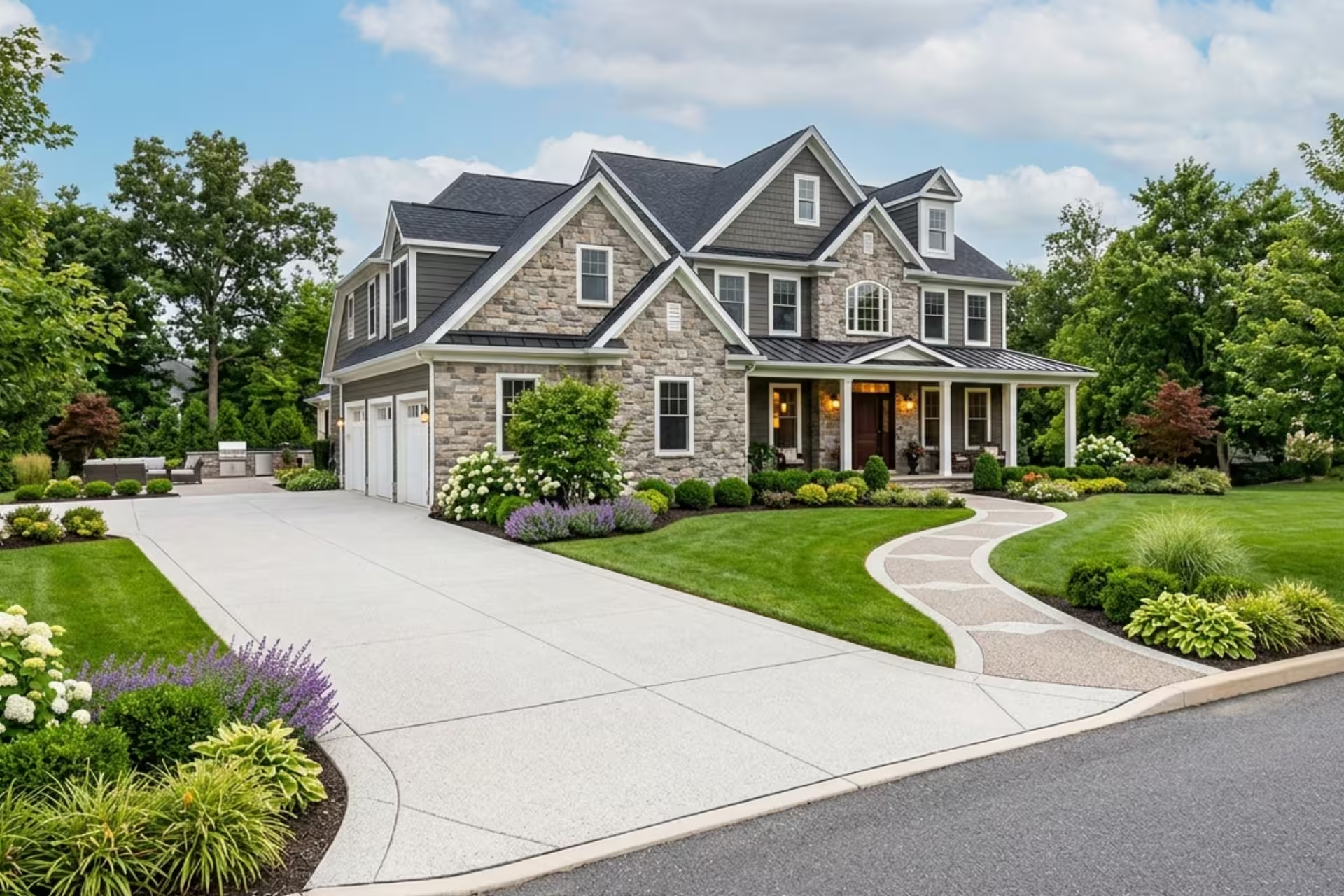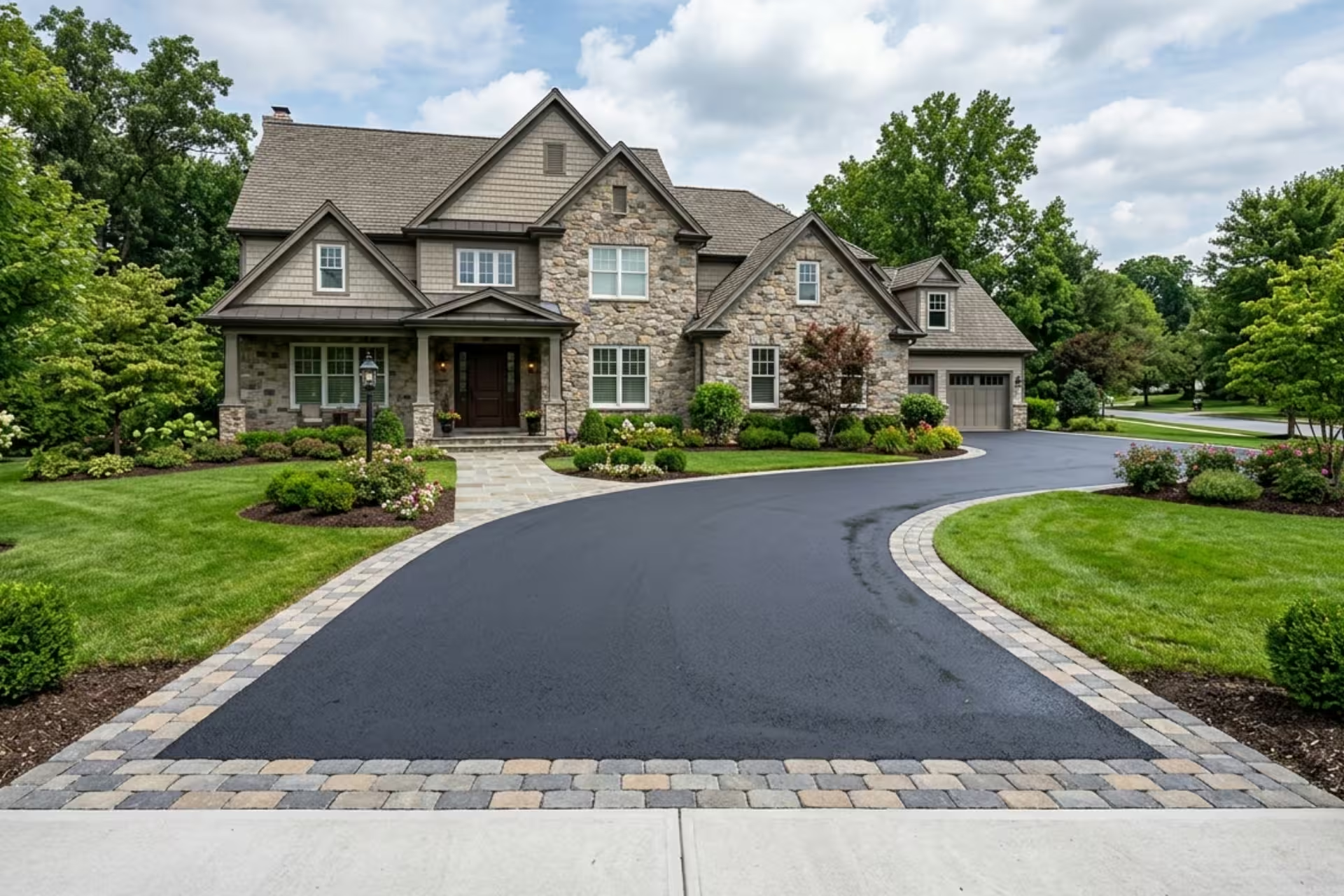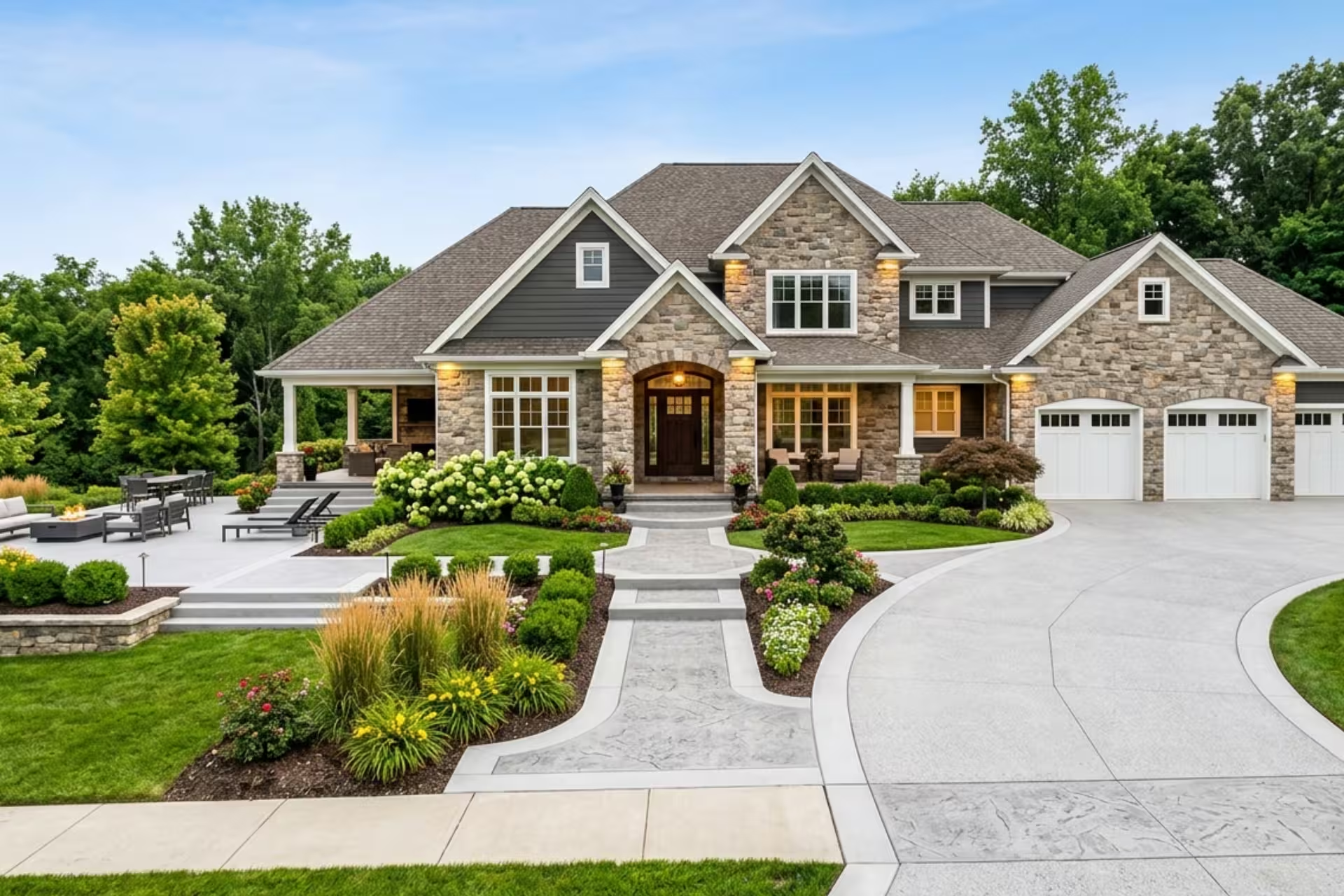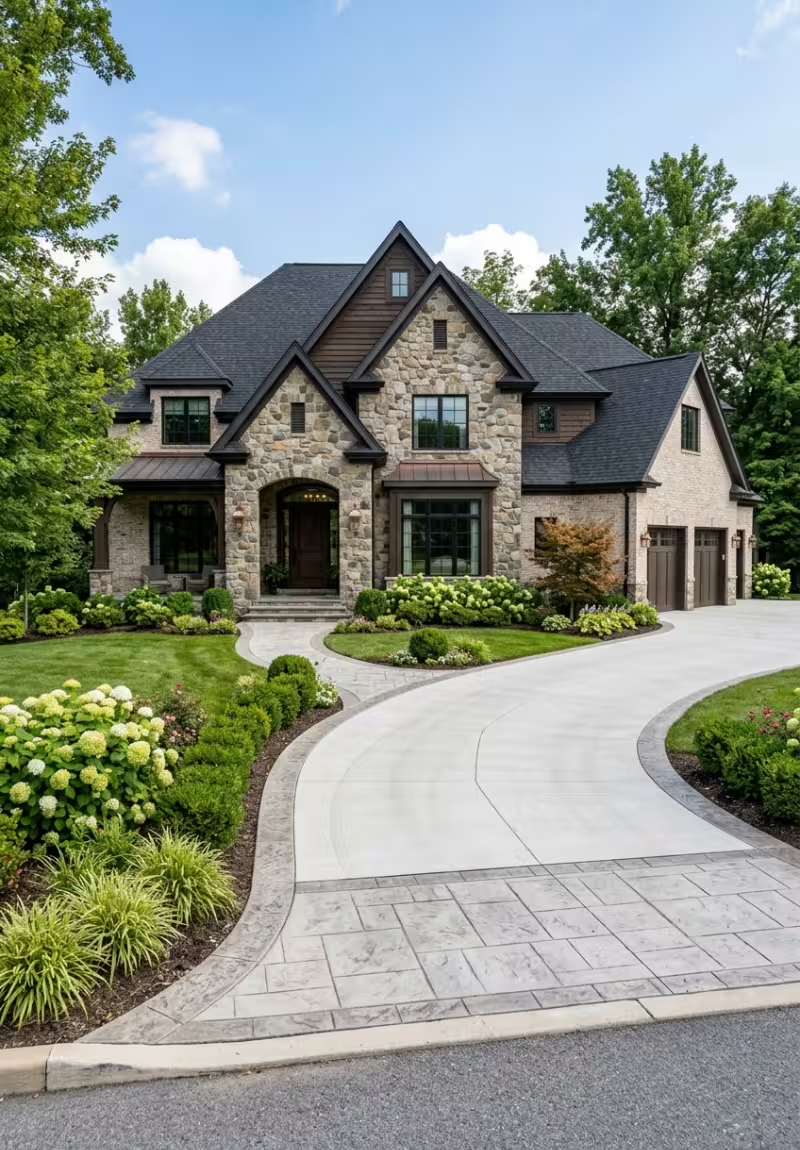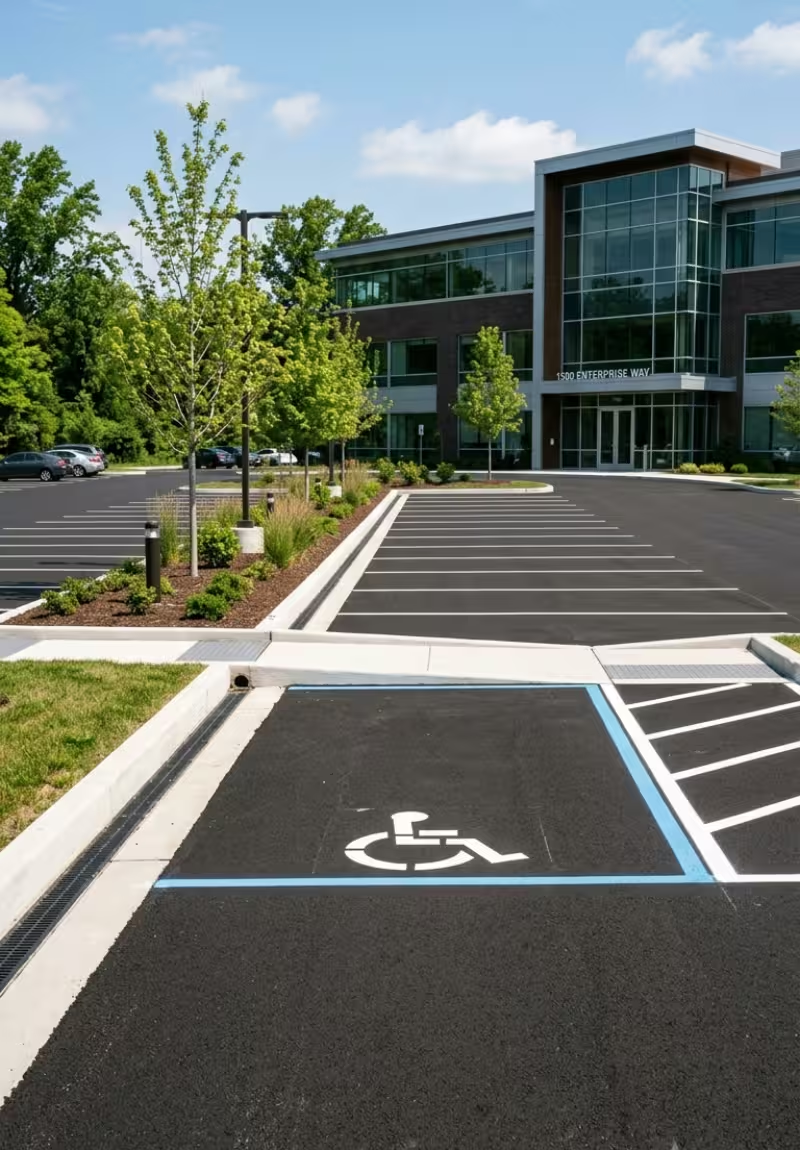
Asphalt driveways and parking lots in Trooper are exposed to sunlight, rain, snow, road salt, vehicle traffic and Pennsylvania’s seasonal temperature changes. Over time, these conditions can dry the asphalt surface, fade its appearance and contribute to cracking and deterioration.
Professional sealcoating applies a protective coating over eligible asphalt. When installed at the right time and over a properly prepared surface, it can reduce exposure to oxidation, weather and certain vehicle fluids while restoring a uniform dark finish.
American Paving & Concrete provides residential and commercial sealcoating services throughout Trooper, Lower Providence Township and surrounding Montgomery County communities.
Before recommending sealcoating, we inspect the pavement and identify cracks, potholes, drainage problems or failed areas that should be addressed first.
Residential and Commercial Sealcoating in Trooper
Different properties experience different traffic patterns and pavement stresses.
Our sealcoating services may be appropriate for:
- Residential asphalt driveways
- Shared residential driveways
- Townhome and condominium properties
- Apartment parking areas
- Homeowner-association pavement
- Retail parking lots
- Office properties
- Medical and professional buildings
- Community facilities
- Churches and nonprofit properties
- Service-business lots
- Drive aisles
- Eligible loading areas
The surface must be evaluated before every application. Asphalt color alone does not determine whether the pavement is ready for another coating.
What Does Asphalt Sealcoating Do?
Sealcoating places a protective coating over the general asphalt surface. It does not rebuild the pavement, but it can support a broader asphalt maintenance program.
A properly timed application may help reduce surface exposure to:
- Ultraviolet sunlight
- Oxidation
- Rain and moisture
- Snow and ice
- Road salt
- Gasoline
- Oil
- Other vehicle fluids
- Normal surface wear
Sealcoating can also replace a faded gray surface with a cleaner, more consistent dark finish.
For commercial properties, newly sealed asphalt can provide a uniform background for fresh parking-space and traffic markings.
What Sealcoating Cannot Repair
Sealcoating is preventive maintenance—not a structural repair.
It cannot correct:
- Potholes
- Alligator cracking
- Base failure
- Severe settlement
- Large depressions
- Drainage problems
- Broken pavement edges
- Large structural cracks
- Crumbling asphalt
- Soft or unstable areas
- Extensive pavement movement
Applying a coating over failed pavement may temporarily improve its color without correcting the cause of the damage.
Deteriorated sections should be evaluated for professional asphalt repair before sealcoating begins.
Is Your Trooper Asphalt Suitable for Sealcoating?
A driveway or parking lot may be suitable when:
- The pavement remains structurally stable
- The asphalt has faded or begun oxidizing
- Cracking is limited and repairable
- Potholes have been corrected
- The surface can be thoroughly cleaned
- Drainage remains functional
- Pavement edges have adequate support
- Previous coatings have worn evenly
- The asphalt is old enough to accept the product
Sealcoating should normally be postponed when the pavement is loose, severely cracked, unstable or affected by unresolved drainage problems.
An on-site assessment provides a more dependable recommendation than choosing a schedule based solely on age.
Residential Driveway Sealcoating
Residential driveways usually experience less traffic than commercial parking lots, but concentrated loads and repeated turning can still cause wear.
Common sources of driveway stress include:
- Vehicles parked in the same location
- Tires turning while stationary
- Work and delivery trucks
- Trailers
- Recreational vehicles
- Snow-removal equipment
- Road salt
- Vehicle-fluid leaks
- Water runoff
- Unsupported pavement edges
- Ground or root movement
Before sealcoating a driveway, we inspect its surface, edges, cracks, transitions and drainage.
If deterioration has progressed beyond preventive maintenance, driveway paving or resurfacing may be more appropriate.
Multifamily and Shared-Pavement Sealcoating
Apartment, condominium and townhome properties require coordination because multiple residents may depend on the same parking areas and drive aisles.
Planning may include:
- Dividing the pavement into phases
- Maintaining emergency access
- Identifying temporary parking
- Providing advance closure notices
- Coordinating pedestrian routes
- Protecting entrances and sidewalks
- Allowing adequate curing time
- Reapplying pavement markings
- Reopening one section before closing another
A phased plan can reduce disruption while helping each completed area cure without vehicle traffic.
Commercial Parking Lot Sealcoating
Commercial pavement often wears unevenly because traffic is concentrated in particular locations.
A parking-lot assessment may include:
- Entrances and exits
- Main drive aisles
- Customer parking spaces
- Employee parking
- Accessible parking areas
- Delivery routes
- Loading zones
- Dumpster locations
- Catch basins
- Oil-stained areas
- Sharp turns
- Snow-storage areas
- Existing pavement markings
High-use areas may require repair even when the surrounding pavement remains suitable for sealcoating.
Properties with extensive pavement deterioration may require parking lot paving, resurfacing or targeted repair before receiving a protective coating.
Crack Repair Before Sealcoating
Crack treatment and sealcoating serve different purposes.
Crack repair addresses eligible openings in the pavement. Sealcoating covers the general asphalt surface. It is not intended to fill large, active or structural cracks.
Open cracks can allow water to reach the supporting aggregate. Freezing and thawing moisture may then contribute to movement and further deterioration.
Before sealcoating, cracks should be evaluated for:
- Width and depth
- Pavement movement
- Surrounding stability
- Water infiltration
- Vegetation
- Edge deterioration
- Evidence of structural failure
Eligible cracks should be cleaned and treated before the general coating is applied.
Potholes and Failed Pavement
Potholes indicate a loss of pavement material and possible instability beneath the visible surface.
A proper repair may require:
- Removing loose and failed asphalt
- Evaluating the supporting base
- Correcting unsuitable material
- Installing repair asphalt
- Compacting the new material
- Treating the repair edges when appropriate
- Allowing the repair to become suitable for subsequent maintenance
Sealcoating should never be used to hide potholes or crumbling pavement.
Drainage and Pavement Protection
Water management is important to the performance of residential and commercial asphalt.
Sealcoating cannot correct:
- Standing water
- Improper pavement slope
- Low areas
- Blocked drains
- Failed catch basins
- Water moving beneath the pavement
- Roof or landscape runoff
- Erosion along pavement edges
Drainage problems should be investigated before a coating is installed. Otherwise, water may continue weakening the pavement system beneath the new finish.
How We Prepare Asphalt for Sealcoating
Proper preparation supports a more uniform application and dependable bonding.
Depending on the property, preparation may include:
- Inspecting the paved area
- Identifying unstable sections
- Establishing traffic control
- Removing dirt and loose debris
- Clearing vegetation from cracks and edges
- Treating contaminated areas
- Repairing potholes
- Filling eligible cracks
- Protecting adjoining concrete and landscaping
- Confirming appropriate weather
- Applying the selected sealer
- Allowing sufficient curing time
- Reopening the pavement when conditions permit
Sealer should not be applied over standing water, loose material or unresolved structural failure.
How Often Should Asphalt Be Sealcoated?
Many eligible asphalt surfaces are evaluated for sealcoating approximately every two to three years. This is a general planning range rather than a mandatory schedule.
The appropriate interval depends on:
- Pavement age
- Previous coatings
- Vehicle volume
- Vehicle weight
- Turning and braking
- Sun exposure
- Shade
- Drainage
- Snowplow activity
- Road-salt exposure
- Fluid contamination
- Surface condition
- Product requirements
A lightly used residential driveway may have a different schedule from a busy apartment or commercial parking lot.
Applying sealcoating every year is unnecessary for many surfaces. Excessive buildup may contribute to poor bonding, peeling, flaking and uneven texture.
When Can New Asphalt Be Sealcoated?
New pavement should not be sealcoated immediately after asphalt installation.
Fresh asphalt needs time to cure and release oils. Coating the surface prematurely may interfere with curing or prevent proper adhesion.
New asphalt is often evaluated after approximately six to twelve months, but readiness depends on:
- Asphalt mixture
- Installation date
- Weather exposure
- Sunlight
- Traffic
- Surface condition
- Curing progress
- Product requirements
The pavement should be inspected before scheduling its first coating.
Best Weather for Sealcoating
Sealcoating requires a dry surface and suitable weather during application and curing.
Important conditions include:
- Appropriate air temperature
- Appropriate pavement temperature
- No immediate rain
- Manageable humidity
- Adequate sunlight or airflow
- Sufficient curing time
- Restricted vehicle traffic
Exact requirements depend on the selected product.
Rain, cold temperatures, high humidity or heavy shade may delay the project and extend the closure period.
How Long Must the Pavement Stay Closed?
Many sealcoated surfaces must remain closed to vehicles for approximately 24 to 48 hours, although the actual period varies.
Factors include:
- Product type
- Number of applications
- Temperature
- Humidity
- Direct sunlight
- Shade
- Pavement condition
- Application thickness
- Vehicle weight
Always follow the contractor’s reopening instructions.
Commercial and multifamily properties should notify employees, customers, residents, tenants and delivery providers before work begins.
Sealcoating and Parking Lot Striping
Existing pavement markings may need to be reapplied after sealcoating.
A restriping plan may include:
- Standard parking spaces
- Accessible parking spaces
- Access aisles
- Directional arrows
- Fire lanes
- Crosswalks
- Loading zones
- Reserved spaces
- No-parking areas
- Curb markings
The coating should cure sufficiently before pavement-marking paint is installed.
What Affects Sealcoating Cost in Trooper?
The cost depends on the pavement’s size, condition and preparation requirements.
Pricing factors may include:
- Total square footage
- Pavement condition
- Number and size of cracks
- Pothole repairs
- Oil-stain treatment
- Cleaning requirements
- Number of coats
- Pavement shape
- Detailed edges
- Property access
- Traffic control
- Project phasing
- Parking-lot striping
- Adjoining concrete and landscaping
An on-site inspection allows the contractor to measure the pavement and identify required preparation before providing an estimate.
Long-Term Asphalt Maintenance
Sealcoating works best as one component of a complete maintenance plan.
A long-term plan may include:
- Routine pavement inspections
- Crack treatment
- Pothole repair
- Drainage maintenance
- Edge protection
- Oil-stain cleanup
- Catch-basin repair
- Periodic sealcoating
- Pavement-marking renewal
- Resurfacing planning
- Replacement planning
Addressing localized deterioration early may help prevent it from spreading into surrounding pavement.
Request a Sealcoating Estimate in Trooper
American Paving & Concrete provides professional sealcoating, asphalt repair and pavement maintenance for residential, multifamily and commercial properties in Trooper and surrounding Montgomery County communities.
We can inspect your pavement, determine whether it is suitable for sealcoating and explain any preparation or repairs required first.
Call: (610) 477-3553
Email: info@americanpavingandconcrete.com
Address: 2114 Dublin Pike, Quakertown, PA 18951
Online: Request a free estimate