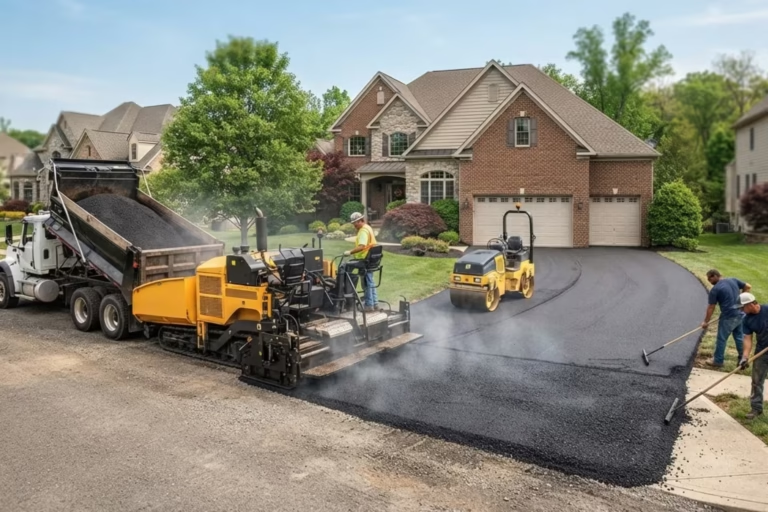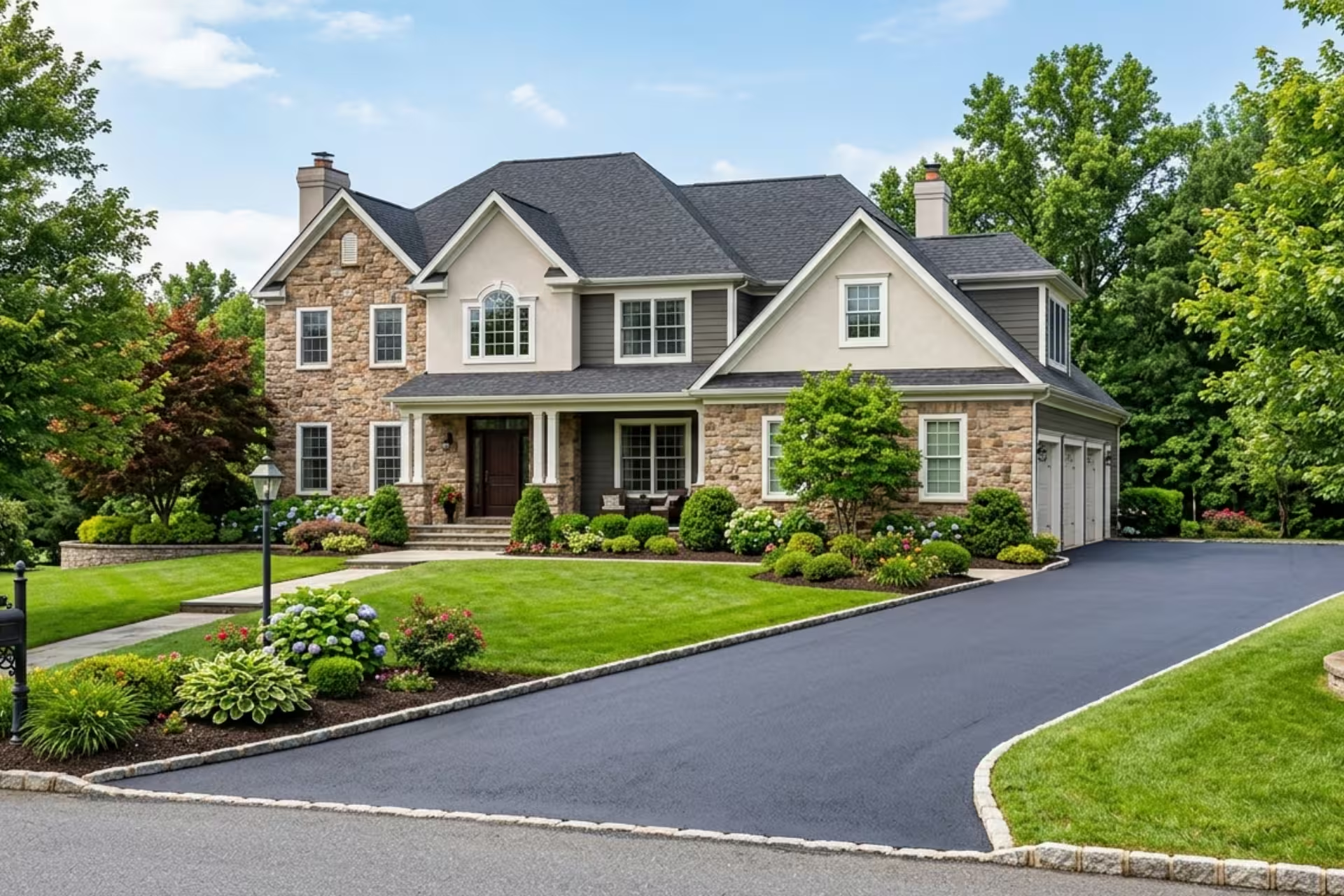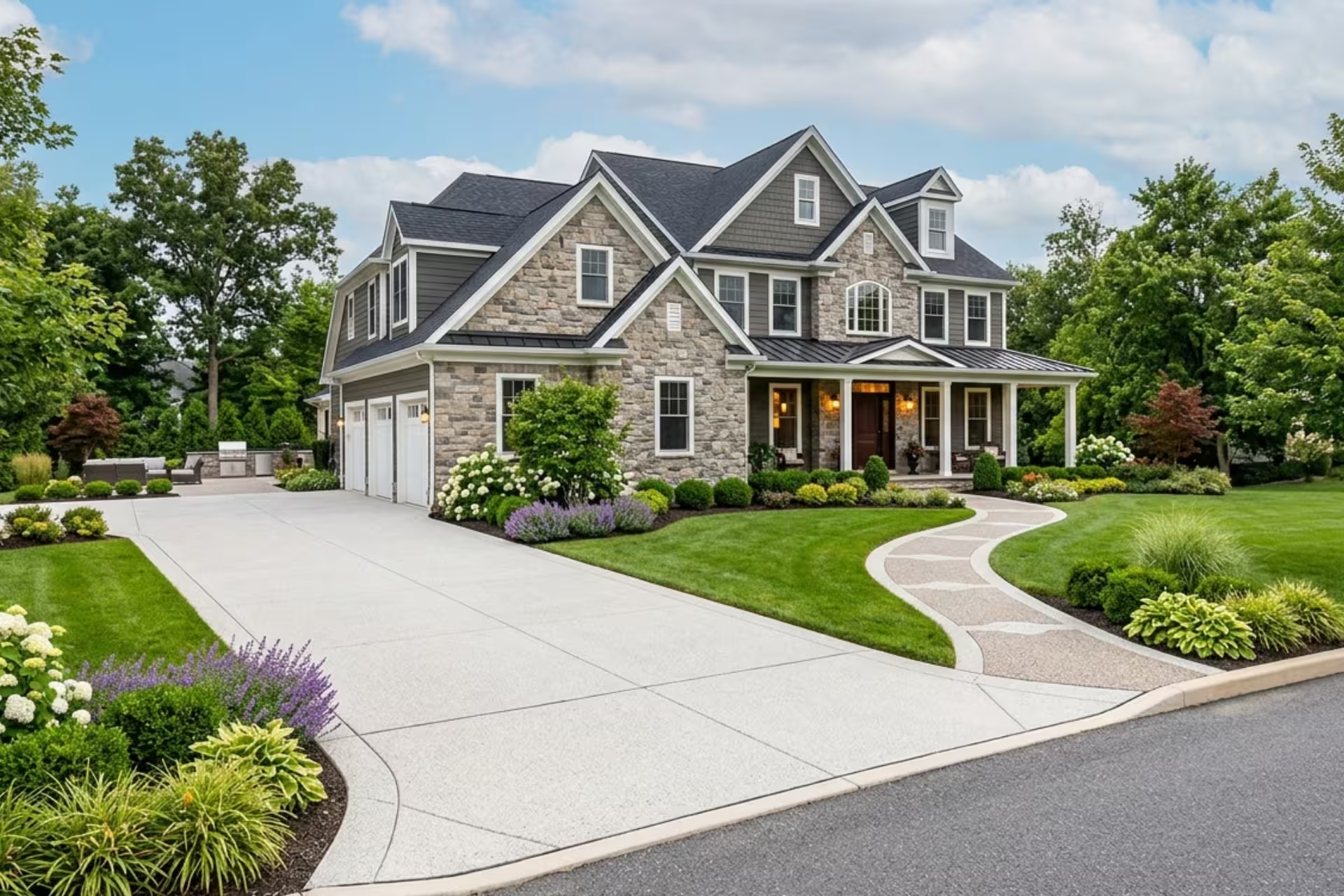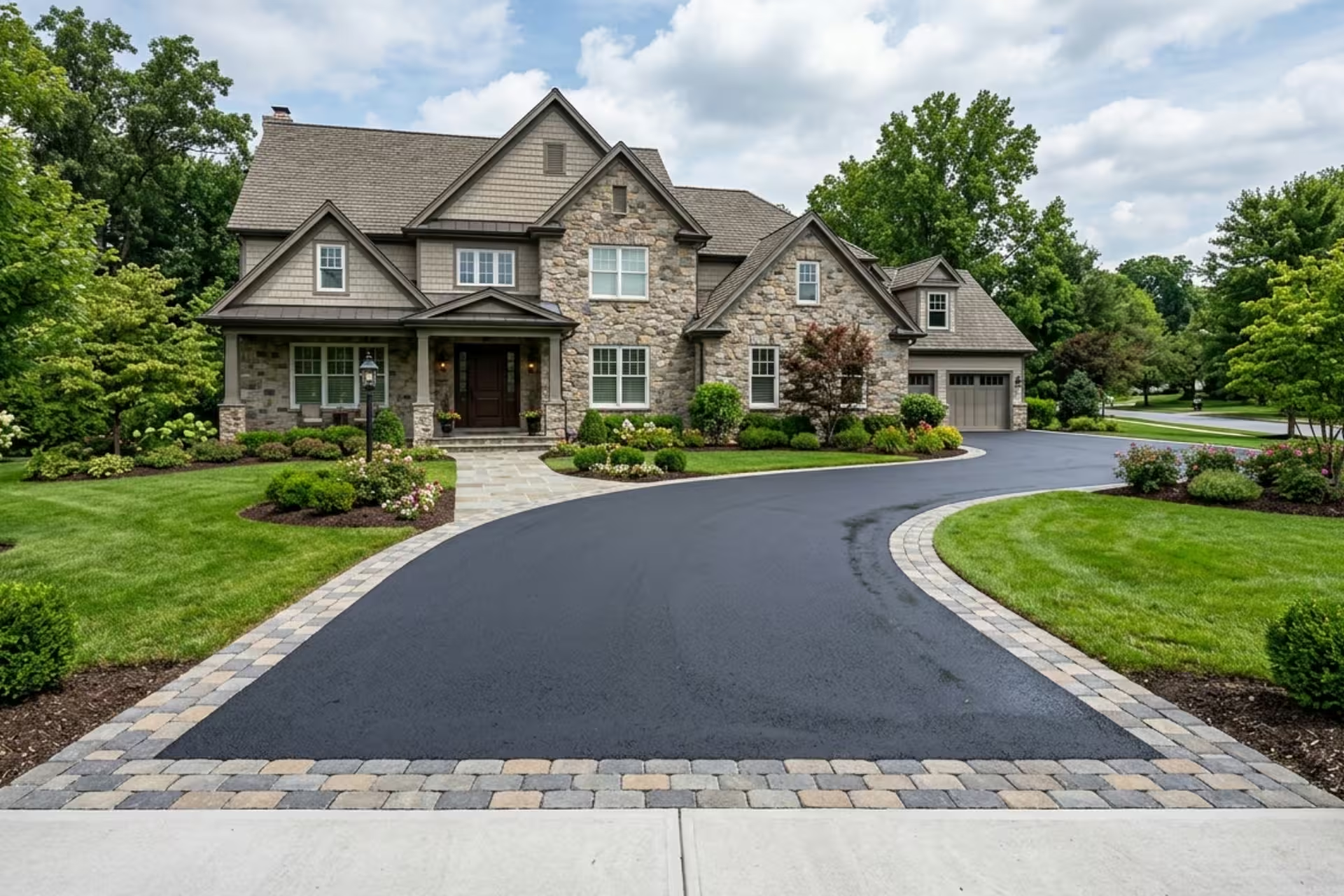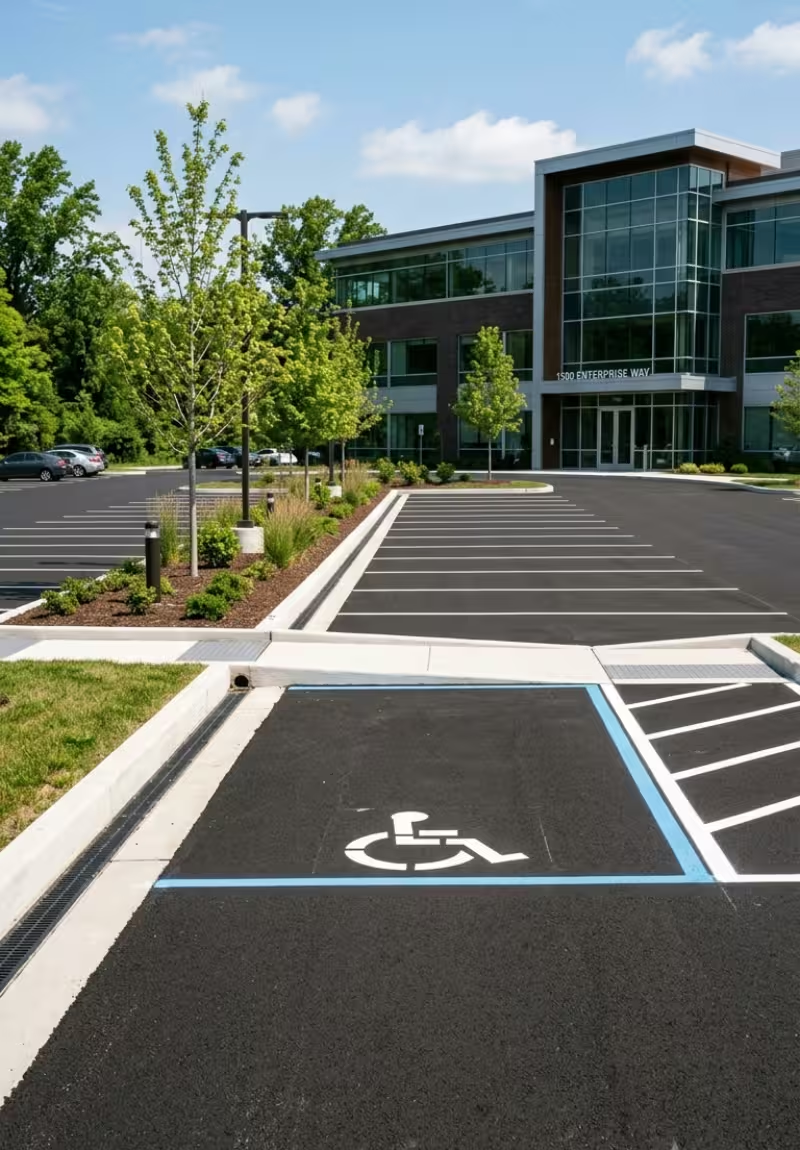
Regular asphalt maintenance in Montgomeryville, PA, can help protect driveways, parking lots and access areas from premature deterioration. Cracks, standing water, potholes, faded pavement and crumbling edges often begin as small problems but can become more serious when they are ignored.
American Paving & Concrete provides residential and commercial asphalt maintenance in Montgomeryville and surrounding Pennsylvania communities. Our services include pavement inspections, crack filling, pothole repair, asphalt patching, sealcoating, drainage correction, resurfacing and pavement replacement.
The right maintenance plan depends on the age of the asphalt, traffic volume, drainage, existing damage and how the surface is used. A professional inspection helps determine which services are needed and whether the pavement should be repaired, resurfaced or replaced.
Residential and Commercial Asphalt Maintenance
We provide asphalt maintenance for:
- Residential driveways
- Commercial parking lots
- Apartment properties
- Retail centers
- Office buildings
- Churches
- Schools
- Private access lanes
- Commercial drive aisles
- Loading and delivery areas
Every pavement surface has different needs. Residential driveways may experience edge damage and drainage problems, while commercial lots may face heavier traffic, delivery vehicles and repeated turning movements.
What Is Asphalt Maintenance?
Asphalt maintenance includes preventive and corrective services that help preserve the pavement and slow deterioration.
Common services include:
- Pavement inspections
- Crack filling
- Pothole repair
- Surface patching
- Full-depth patching
- Edge repair
- Sealcoating
- Drainage correction
- Asphalt resurfacing
- Surface cleaning
- Maintenance planning
Maintenance should be based on the actual condition of the pavement rather than applying the same treatment to every surface.
Why Asphalt Maintenance Is Important
Asphalt is exposed to sunlight, rain, snow, road salt, oil, vehicle traffic and seasonal temperature changes.
Regular maintenance may help:
- Reduce water penetration
- Slow crack development
- Prevent potholes from spreading
- Improve pavement appearance
- Protect the supporting base
- Reduce larger repair costs
- Extend pavement service life
- Improve driving conditions
- Prepare asphalt for resurfacing
Addressing small problems early may help prevent more extensive structural damage.
Residential Driveway Maintenance
Residential asphalt driveways may deteriorate because of daily traffic, drainage problems, freeze-thaw cycles, snow removal and unsupported edges.
Residential maintenance may include:
- Crack filling
- Pothole repair
- Edge repair
- Low-spot correction
- Sealcoating
- Drainage checks
- Asphalt resurfacing
- Driveway replacement planning
Homeowners should inspect their driveway after winter, heavy rain and noticeable changes in the pavement.
Commercial Parking Lot Maintenance
Commercial parking lots receive more frequent traffic and may support delivery vehicles, service trucks, customers, employees and snow-removal equipment.
Commercial maintenance may include:
- Routine inspections
- Crack filling
- Pothole repair
- Full-depth patching
- Drainage maintenance
- Sealcoating
- Resurfacing
- Edge repair
- Line-striping coordination
- Phased repair planning
A maintenance program can help property managers identify problems early and plan future paving expenses.
Asphalt Inspections
Regular pavement inspections can help identify damage before it becomes more expensive to repair.
An inspection may look for:
- New cracks
- Potholes
- Loose aggregate
- Faded pavement
- Standing water
- Crumbling edges
- Sinking areas
- Failed patches
- Damage near drains
- Rough entrances
The inspection should also evaluate drainage, traffic patterns and the condition of the base.
Crack Filling
Cracks allow water to enter the pavement and reach the supporting base.
Crack filling may help:
- Reduce moisture intrusion
- Slow crack expansion
- Protect the pavement base
- Improve surface appearance
- Prepare asphalt for sealcoating
Crack filling is best suited for isolated cracks. Widespread alligator cracking may indicate deeper structural failure.
Pothole Repair
Potholes form when weakened asphalt breaks apart under traffic.
Common causes include:
- Water intrusion
- Freeze-thaw cycles
- Weak base material
- Heavy vehicles
- Poor drainage
- Delayed maintenance
Professional pothole repair may include:
- Removing loose material
- Cutting back unstable edges
- Inspecting the base
- Rebuilding weak material
- Installing new asphalt
- Compacting the repair
- Sealing the patch edges
Prompt pothole repair can help prevent damage from spreading to nearby pavement.
Surface Patching
Surface patching may be appropriate when damage is limited mainly to the upper asphalt layer.
It may be used for:
- Small failed areas
- Shallow depressions
- Minor pavement breakup
- Localized edge damage
- Limited surface wear
Surface patching is not suitable when the base below the asphalt has failed.
Full-Depth Patching
Full-depth patching addresses both the damaged asphalt and unstable material beneath it.
It may be recommended for:
- Deep potholes
- Soft areas
- Severe cracking
- Sinking pavement
- Recurring patch failure
- Damage near drains
- Base erosion
The failed section is removed, the base is rebuilt and new asphalt is installed and compacted.
Asphalt Edge Maintenance
Pavement edges may crumble when they lack support or are exposed to repeated vehicle traffic.
Edge damage may be caused by:
- Vehicles leaving the pavement
- Weak shoulders
- Water erosion
- Heavy loads
- Vegetation growth
- Poor base support
Repairing damaged edges and improving support beside the asphalt can help prevent further deterioration.
Low Spots and Standing Water
Low areas allow water to collect after rain or snow.
Standing water may contribute to:
- Cracking
- Potholes
- Base erosion
- Settlement
- Ice formation
- Repeated repair problems
Correcting a low spot may require removing damaged pavement, rebuilding the base and adjusting the grade.
Drainage Maintenance
Water is one of the main causes of asphalt deterioration.
Drainage maintenance may include:
- Correcting low spots
- Improving pavement slope
- Clearing drainage paths
- Repairing areas near catch basins
- Protecting pavement edges
- Directing water away from buildings
- Preventing standing water
Repairing asphalt without correcting the drainage problem may allow the same damage to return.
Sealcoating
Sealcoating applies a protective coating to structurally sound asphalt.
It may help reduce exposure to:
- Water
- Sunlight
- Road salt
- Oil
- Fuel residue
- Surface oxidation
- General traffic wear
Sealcoating can also restore a darker, more uniform blacktop appearance.
It does not repair potholes, deep cracks, sinking or base failure. Necessary repairs should be completed before the coating is applied.
Asphalt Resurfacing
Resurfacing, also called an asphalt overlay, may be appropriate when the base remains stable but the upper pavement is worn.
Resurfacing may be suitable when:
- The pavement is faded
- Moderate cracking is present
- The surface is rough
- Potholes are limited
- The base remains stable
- Drainage is functioning
Before resurfacing, damaged areas should be repaired and the existing pavement properly prepared.
When Asphalt Needs Replacement
Maintenance cannot correct every pavement problem.
Replacement may be needed when asphalt has:
- Widespread alligator cracking
- Multiple recurring potholes
- Severe sinking
- Large soft areas
- Major drainage failure
- Extensive base damage
- Asphalt breaking apart across the surface
- Repairs that repeatedly fail
Replacement allows the old pavement to be removed so the base, drainage and grade can be corrected before new asphalt is installed.
Preventive Maintenance vs Emergency Repair
Preventive maintenance addresses small problems before they become serious.
It may include:
- Crack filling
- Sealcoating
- Drainage checks
- Edge repair
- Routine inspections
Emergency repair usually addresses sudden or severe problems such as:
- Large potholes
- Collapsed pavement
- Unsafe sinking areas
- Drainage washouts
- Major surface failure
A preventive maintenance plan can help reduce the need for urgent repairs.
Seasonal Asphalt Maintenance
Pennsylvania asphalt experiences:
- Summer heat
- Winter freezing
- Snow and ice
- Heavy rain
- Road salt
- Freeze-thaw cycles
Seasonal maintenance may include inspecting pavement after winter, filling cracks before cold weather and correcting drainage before heavy rain.
Signs Asphalt Maintenance Is Needed
Schedule an inspection if you notice:
- New or widening cracks
- Potholes
- Faded gray asphalt
- Loose aggregate
- Crumbling edges
- Standing water
- Sinking areas
- Rough transitions
- Failed patches
- Damage near drains
Early maintenance may provide more repair options and reduce future costs.
Asphalt Maintenance Cost Factors
The cost of asphalt maintenance in Montgomeryville depends on:
- Pavement size
- Number and size of cracks
- Pothole depth
- Base condition
- Drainage problems
- Type of repair
- Sealcoating requirements
- Site access
- Residential or commercial use
- Whether resurfacing is needed
An on-site inspection provides the most accurate estimate.
Why Choose American Paving & Concrete?
American Paving & Concrete provides residential and commercial asphalt maintenance throughout Pennsylvania.
Our services include:
- Driveway maintenance
- Parking lot maintenance
- Crack filling
- Pothole repair
- Surface patching
- Full-depth repair
- Sealcoating
- Drainage correction
- Asphalt resurfacing
- Pavement replacement
We inspect the pavement and recommend maintenance, repair, resurfacing or replacement based on actual site conditions.
Schedule Asphalt Maintenance in Montgomeryville, PA
Protect your driveway or parking lot with professional asphalt maintenance in Montgomeryville, Pennsylvania.
Contact American Paving & Concrete to schedule a pavement inspection and discuss crack filling, pothole repair, sealcoating, patching or resurfacing.
Call: (610) 203-4241
Email: info@americanpavingandconcrete.com
Website: goldenrod-bat-405442.hostingersite.com/