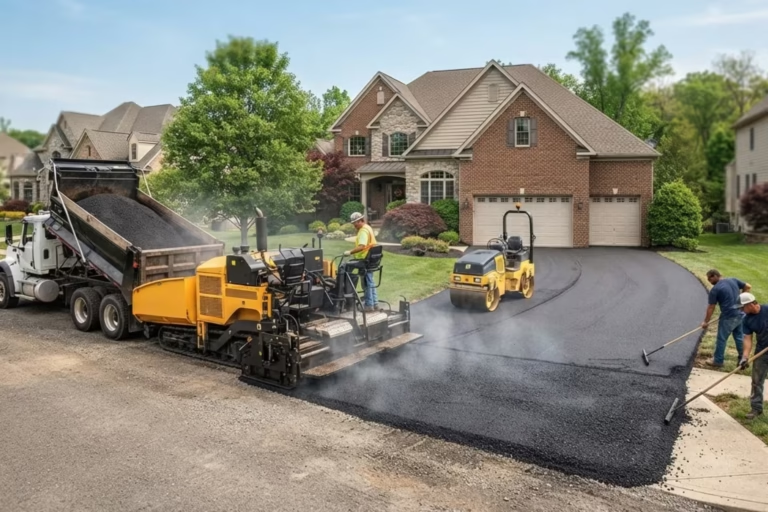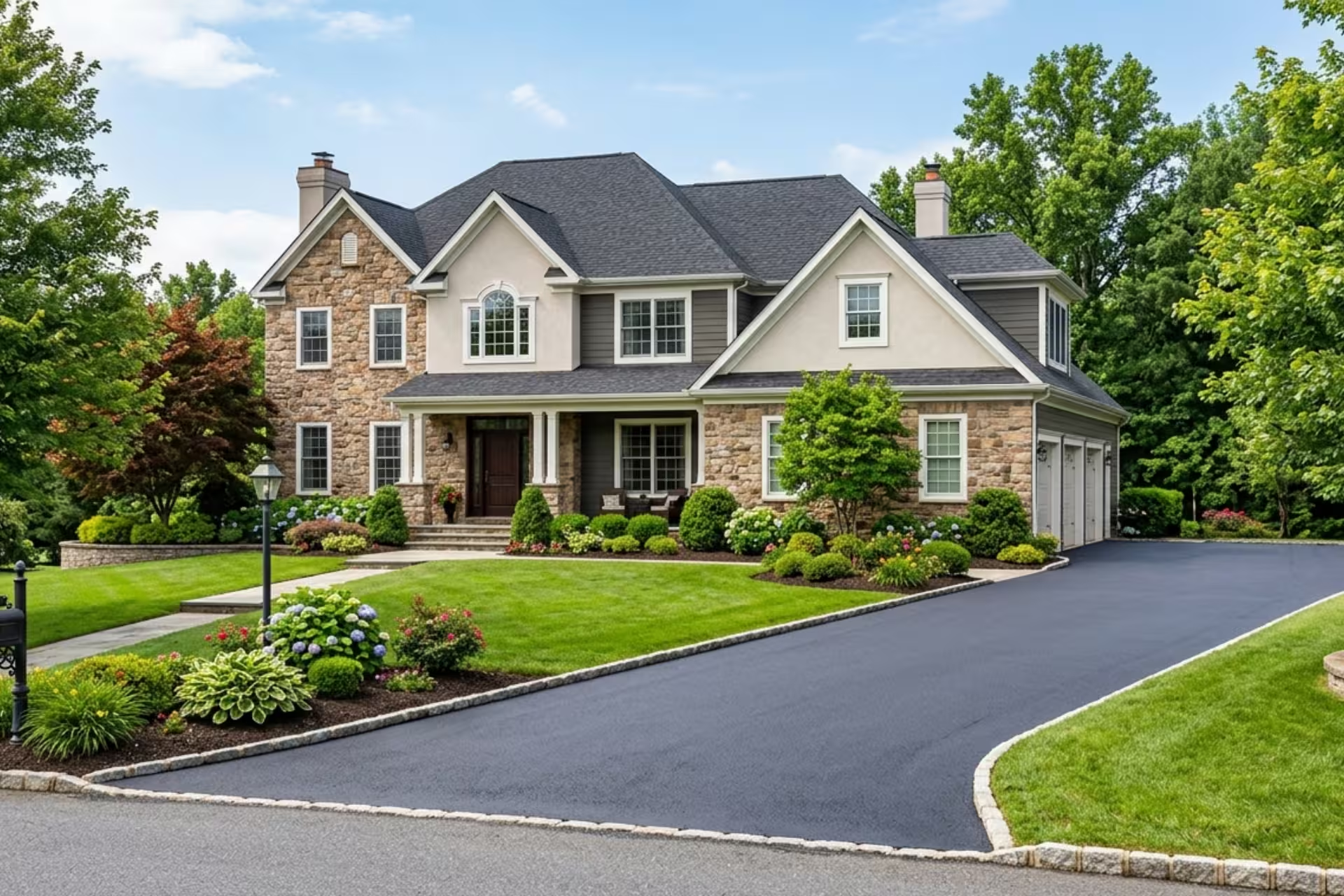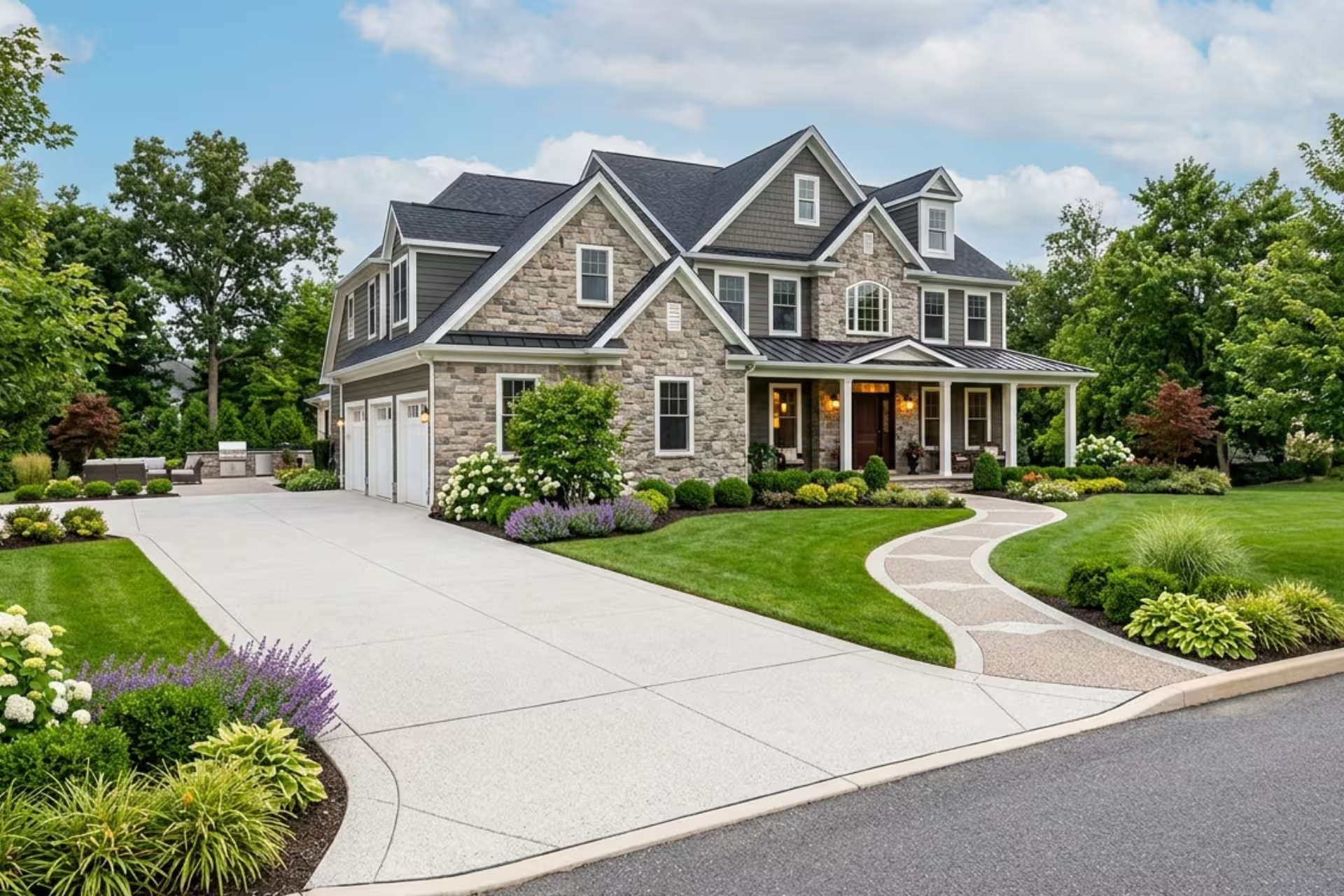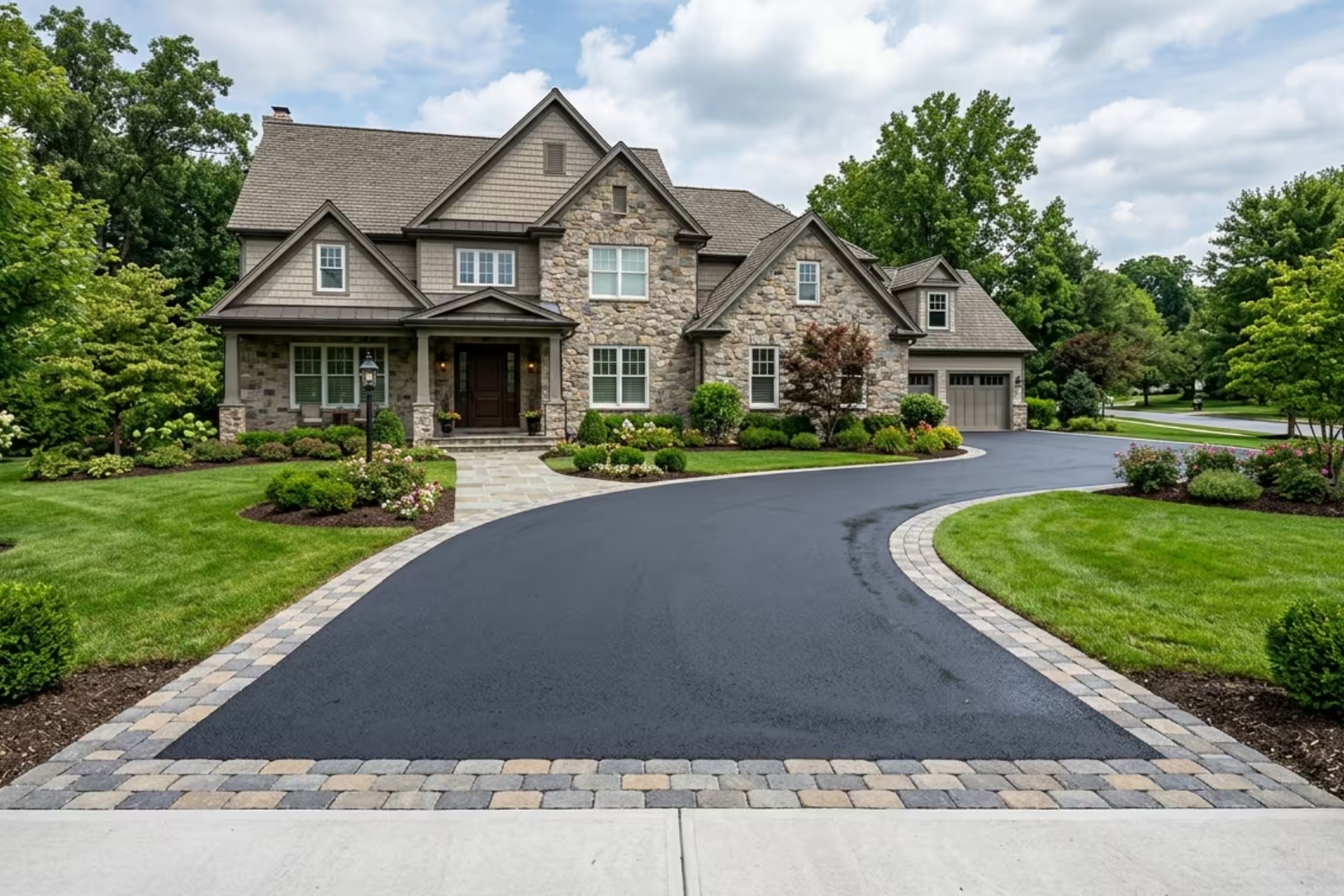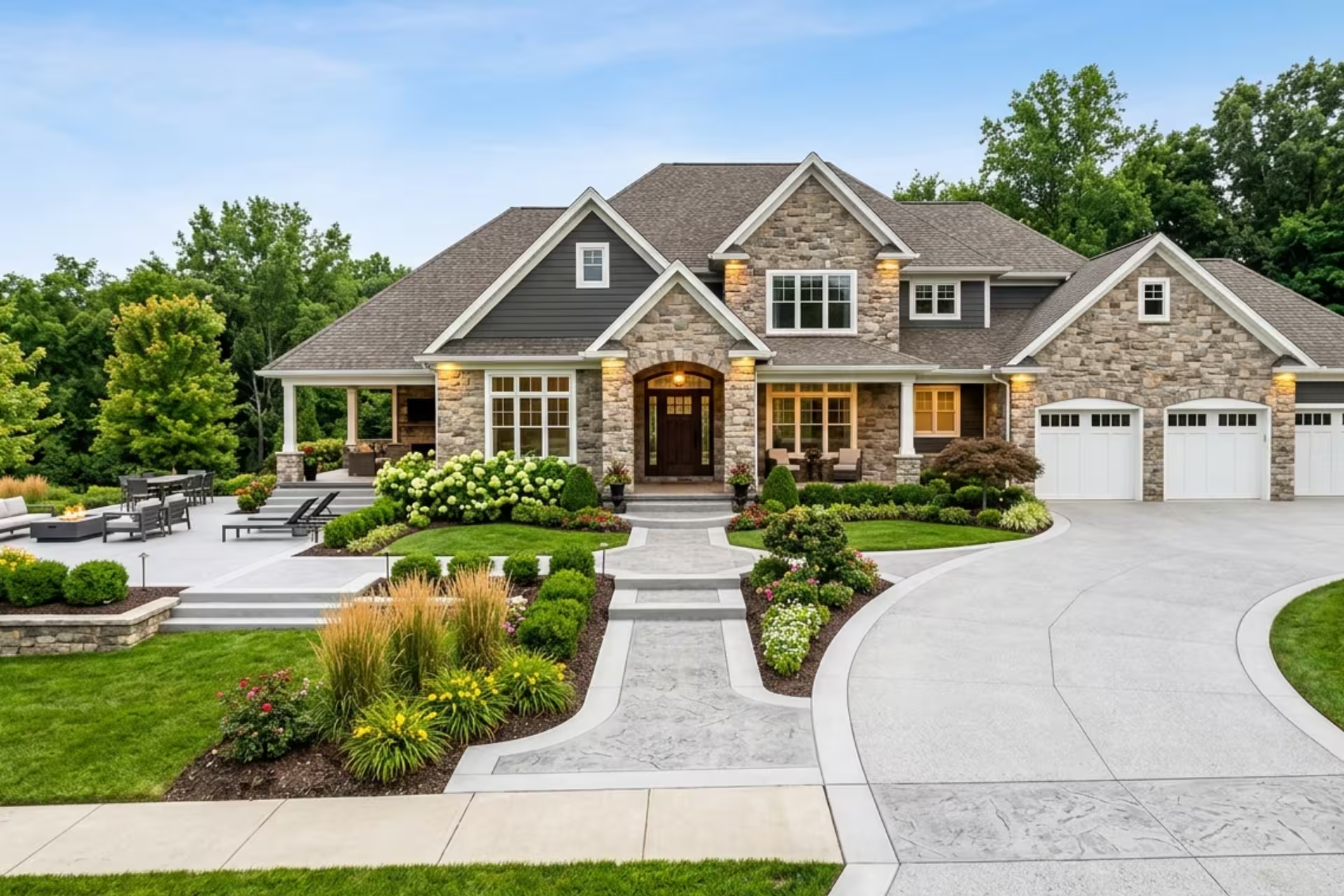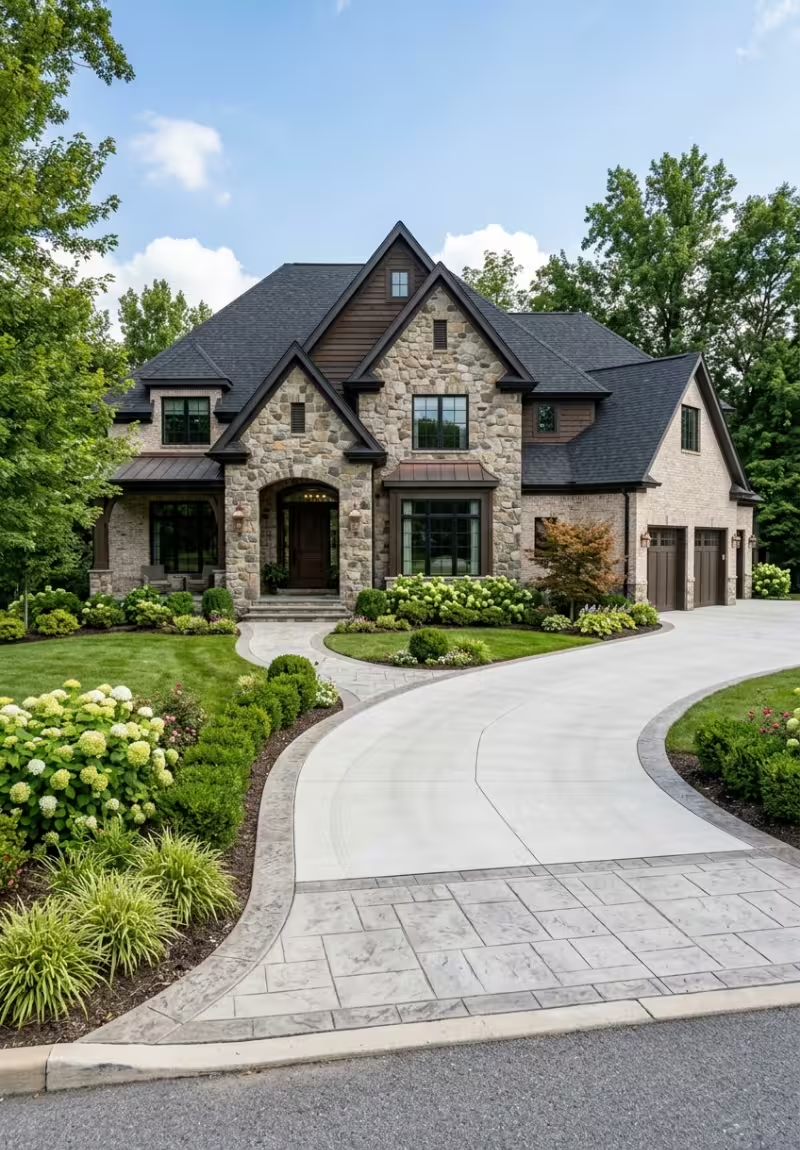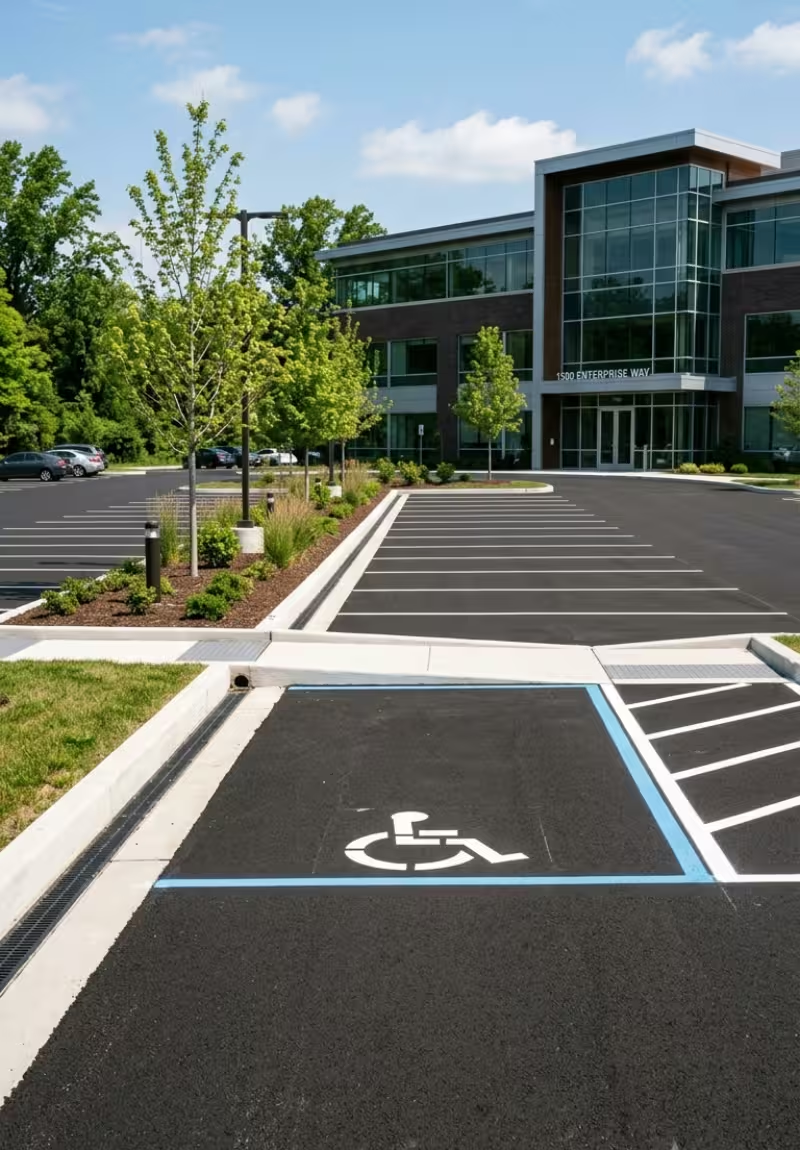
A professionally paved and properly maintained parking lot improves access, supports daily business operations and creates a stronger first impression for customers, tenants, employees and visitors. Cracks, potholes, uneven pavement and standing water can affect both the appearance and function of a commercial property.
American Paving & Concrete provides professional commercial paving in Doylestown, PA. Our services include new parking lot installation, asphalt replacement, resurfacing, milling, pothole repair, crack filling, full-depth patching, sealcoating, drainage correction and ongoing pavement maintenance.
Every commercial property has different requirements. Traffic volume, vehicle weight, drainage, pavement condition, site access and business operations all influence the correct paving solution. We evaluate the complete property before recommending repair, resurfacing or replacement.
Commercial Asphalt Paving in Doylestown
We provide paving services for a wide range of commercial, institutional and multi-unit properties, including:
- Retail centers
- Office buildings
- Apartment complexes
- Medical facilities
- Restaurants
- Churches
- Schools
- Warehouses
- Industrial facilities
- Commercial access roads
- Loading and delivery areas
- Private parking facilities
Asphalt is a practical option for many commercial properties because it creates a smooth driving surface and can be repaired, maintained and resurfaced as it ages.
Complete Commercial Paving Services
Our commercial paving services may include:
- New parking lot installation
- Parking lot replacement
- Commercial asphalt paving
- Parking lot resurfacing
- Asphalt milling
- Pothole repair
- Crack filling
- Surface patching
- Full-depth asphalt repair
- Edge restoration
- Drainage correction
- Sealcoating
- Concrete pads and aprons
- Pavement maintenance
- Preparation for line striping
The correct service depends on the pavement’s condition, the stability of its supporting base and the type of traffic using the property.
New Parking Lot Installation
A durable parking lot begins below the finished asphalt surface.
The installation process may include:
- Inspecting and measuring the property
- Planning entrances, parking areas and traffic flow
- Removing old pavement or unstable material
- Excavating to the required depth
- Installing and compacting aggregate base
- Grading the property for drainage
- Installing hot-mix asphalt
- Compacting each pavement layer
- Finishing entrances, edges and transitions
- Preparing the surface for line striping
Areas used by delivery trucks, buses, waste-removal vehicles or other heavy equipment may require stronger base construction and greater pavement thickness than standard passenger-vehicle parking areas.
Parking Lot Replacement
Complete replacement may be necessary when an existing parking lot has widespread structural failure.
Replacement may be appropriate when the pavement has:
- Extensive alligator cracking
- Multiple recurring potholes
- Severe settlement
- Large soft areas
- Major drainage problems
- Asphalt breaking apart throughout the property
- Repairs that repeatedly fail
- An unstable pavement base
Replacement allows the old pavement to be removed so the supporting base, slope and drainage can be corrected before new asphalt is installed.
Commercial Asphalt Resurfacing
Resurfacing, also called an asphalt overlay, involves placing a new asphalt layer over prepared existing pavement.
Resurfacing may be suitable when:
- The pavement base remains stable
- The parking lot is generally level
- Surface wear is widespread
- Cracking is moderate
- Potholes are limited and repairable
- Drainage is working properly
Before resurfacing, damaged areas should be repaired and the existing surface properly prepared.
Resurfacing should not be used to conceal severe settlement, widespread base failure or unresolved drainage problems.
Asphalt Milling
Milling removes part of the existing asphalt surface before a new layer is installed.
Commercial asphalt milling may be used to:
- Remove worn pavement
- Correct surface elevations
- Maintain curb exposure
- Improve entrances and transitions
- Prepare pavement around drains
- Improve surface drainage
- Prepare the property for resurfacing
The depth of milling depends on the existing pavement condition and the thickness of the planned overlay.
Commercial Asphalt Repair
Localized pavement damage does not always require complete parking lot replacement.
Commercial asphalt repair services may include:
- Crack filling
- Pothole repair
- Surface patching
- Full-depth patching
- Edge repair
- Low-area correction
- Repairs around catch basins
- Drainage-related repairs
- Failed-section replacement
A professional inspection helps determine whether the damage is limited to the upper asphalt layer or extends into the supporting base.
Pothole Repair
Potholes can create rough driving conditions, collect water and make a commercial property appear poorly maintained.
Professional pothole repair may include:
- Removing loose asphalt
- Cutting back unstable edges
- Inspecting the supporting base
- Rebuilding weak material
- Installing new asphalt
- Compacting the repair
- Sealing the patch edges
Temporary filling may address an immediate concern, but full-depth repair generally provides a better solution when the pavement base is damaged.
Crack Filling
Cracks allow water to enter the pavement and reach the supporting base.
Crack filling may help:
- Reduce water penetration
- Slow crack expansion
- Protect the pavement base
- Improve surface appearance
- Prepare asphalt for sealcoating
Widespread interconnected cracking may indicate structural failure and require patching, resurfacing or replacement.
Full-Depth Asphalt Repair
Full-depth repair addresses both the damaged asphalt and the unstable material underneath it.
It may be recommended for:
- Deep potholes
- Soft pavement sections
- Severe cracking
- Sinking pavement
- Recurring patch failures
- Damage near catch basins
- Base erosion
The failed pavement is removed, the base is rebuilt and new asphalt is installed and compacted.
Parking Lot Drainage
Water is one of the most common causes of asphalt deterioration.
Poor drainage may contribute to:
- Standing water
- Potholes
- Base erosion
- Pavement cracking
- Settlement
- Ice formation
- Damage around drains
- Repeated patch failures
The finished parking lot should direct water away from:
- Building entrances
- Pedestrian routes
- Loading areas
- Low sections
- Pavement edges
- Foundations
- Adjacent properties
Drainage improvements may include:
- Correcting pavement slope
- Repairing low spots
- Improving runoff paths
- Rebuilding areas near drains
- Protecting pavement edges
- Coordinating catch basins
Repairing or resurfacing asphalt without addressing the drainage problem may allow the damage to return.
Heavy-Traffic and Loading Areas
Some sections of a commercial property receive greater stress than standard parking spaces.
These areas may include:
- Loading zones
- Dumpster areas
- Delivery lanes
- Truck entrances
- Turning sections
- Fire lanes
- Drive-through lanes
- High-traffic entrances
Heavy-use sections may require:
- Stronger aggregate base
- Greater asphalt thickness
- Full-depth pavement construction
- Concrete pads
- Improved drainage
- Reinforced transitions
The pavement design should reflect the expected vehicle type, load and traffic frequency.
Asphalt and Concrete for Commercial Properties
Many commercial properties benefit from using asphalt and concrete together.
Asphalt may be appropriate for:
- Parking stalls
- Drive aisles
- Access roads
- General parking areas
Concrete may be appropriate for:
- Dumpster pads
- Loading areas
- Building entrances
- Sidewalks
- Equipment pads
- High-load sections
- Garage and warehouse aprons
Using one contractor for asphalt and concrete work can simplify grading, drainage, elevations, transitions and scheduling.
Commercial Sealcoating
Sealcoating can help protect structurally sound asphalt from:
- Water
- Ultraviolet sunlight
- Road salt
- Oil
- Fuel residue
- Surface oxidation
- General traffic wear
It can also restore a darker and more uniform appearance.
Sealcoating does not repair potholes, deep cracks, settlement or base failure. Necessary repairs should be completed before the coating is applied.
Commercial Pavement Maintenance
A preventive maintenance plan can help identify small issues before they become more extensive.
Commercial pavement maintenance may include:
- Routine inspections
- Crack filling
- Pothole repair
- Asphalt patching
- Drainage checks
- Edge restoration
- Sealcoating
- Resurfacing planning
- Line-striping coordination
Maintenance should be based on the actual condition of the pavement and the traffic it receives.
Line Striping and Parking Layout
After paving, resurfacing or sealcoating, the parking lot may require new markings.
Line-striping coordination may include:
- Standard parking stalls
- Accessible spaces
- Fire lanes
- Directional arrows
- Loading zones
- Crosswalks
- No-parking areas
- Curb markings
The property owner should confirm that the planned parking layout meets applicable requirements before striping begins.
Reducing Disruption to Business Operations
Commercial paving can affect customers, tenants, employees, deliveries and service vehicles.
When property conditions allow, work may be completed in phases.
Project planning may include:
- Dividing the parking lot into work zones
- Maintaining temporary entrances
- Scheduling around business hours
- Coordinating deliveries
- Providing temporary parking
- Clearly marking closed areas
- Maintaining pedestrian access
- Allowing proper cooling or curing time
Access requirements should be discussed before the project begins.
Parking Lot Paving for Different Properties
Retail and Shopping Properties
Retail parking lots need clear entrances, smooth drive lanes and well-planned pedestrian routes.
Offices and Medical Facilities
Office and medical properties often need paving completed in phases to preserve employee, visitor and patient access.
Apartment and Multi-Unit Properties
Apartment parking areas require coordination with residents, property managers and service providers.
Warehouses and Industrial Properties
Industrial properties may need stronger pavement construction for trucks, equipment, loading areas and repeated turning movements.
Churches and Schools
Churches and schools may require project scheduling around services, classes, events and pedestrian access.
Signs a Commercial Parking Lot Needs Attention
Schedule a pavement inspection if you notice:
- Potholes
- Long or widening cracks
- Alligator cracking
- Standing water
- Sinking pavement
- Crumbling edges
- Failed patches
- Damage around drains
- Rough entrances
- Faded or brittle asphalt
Early evaluation may provide more repair options and reduce disruption later.
Pennsylvania Weather and Commercial Pavement
Commercial asphalt in Doylestown is exposed to:
- Summer heat
- Winter freezing
- Snow and ice
- Heavy rain
- Road salt
- Freeze-thaw cycles
- Snowplow activity
Water entering cracks can weaken the base. When trapped moisture freezes and expands, existing cracks and potholes may become worse.
Proper installation, drainage and timely maintenance are important for long-term pavement performance.
Repair, Resurface or Replace?
Commercial Asphalt Repair
Repair may be suitable for isolated cracks, potholes, edge damage and localized pavement failure.
Asphalt Resurfacing
Resurfacing may be appropriate when the supporting base remains stable but the upper asphalt layer is worn or moderately cracked.
Parking Lot Replacement
Replacement may be needed when the property has widespread structural failure, severe settlement, recurring potholes or extensive base damage.
A professional inspection helps determine the most practical long-term option.
Commercial Paving Cost Factors
The cost of commercial paving in Doylestown depends on:
- Total square footage
- Existing pavement condition
- Demolition and disposal
- Excavation requirements
- Aggregate-base preparation
- Asphalt thickness
- Vehicle type and traffic level
- Drainage improvements
- Milling requirements
- Repair requirements
- Site access
- Project phasing
- Concrete work
- Line-striping requirements
An on-site inspection provides the most accurate estimate.
Why Choose American Paving & Concrete?
American Paving & Concrete provides commercial paving services for businesses, property managers and commercial facilities throughout Pennsylvania.
Our services include:
- New parking lot installation
- Commercial asphalt paving
- Parking lot replacement
- Asphalt resurfacing
- Asphalt milling
- Pothole repair
- Crack filling
- Full-depth patching
- Sealcoating
- Drainage evaluation
- Concrete paving
- Pavement maintenance
We inspect the property and recommend a solution based on pavement condition, traffic requirements and business operations.
Schedule Commercial Paving in Doylestown, PA
Whether your property needs a new parking lot, asphalt replacement, resurfacing, repairs or ongoing maintenance, American Paving & Concrete can help.
Contact us to schedule a property inspection and discuss commercial paving in Doylestown, Pennsylvania.
Call: (610) 203-4241
Email: info@americanpavingandconcrete.com
Address: 2114 Dublin Pike, Quakertown, PA 18951
Website: goldenrod-bat-405442.hostingersite.com/